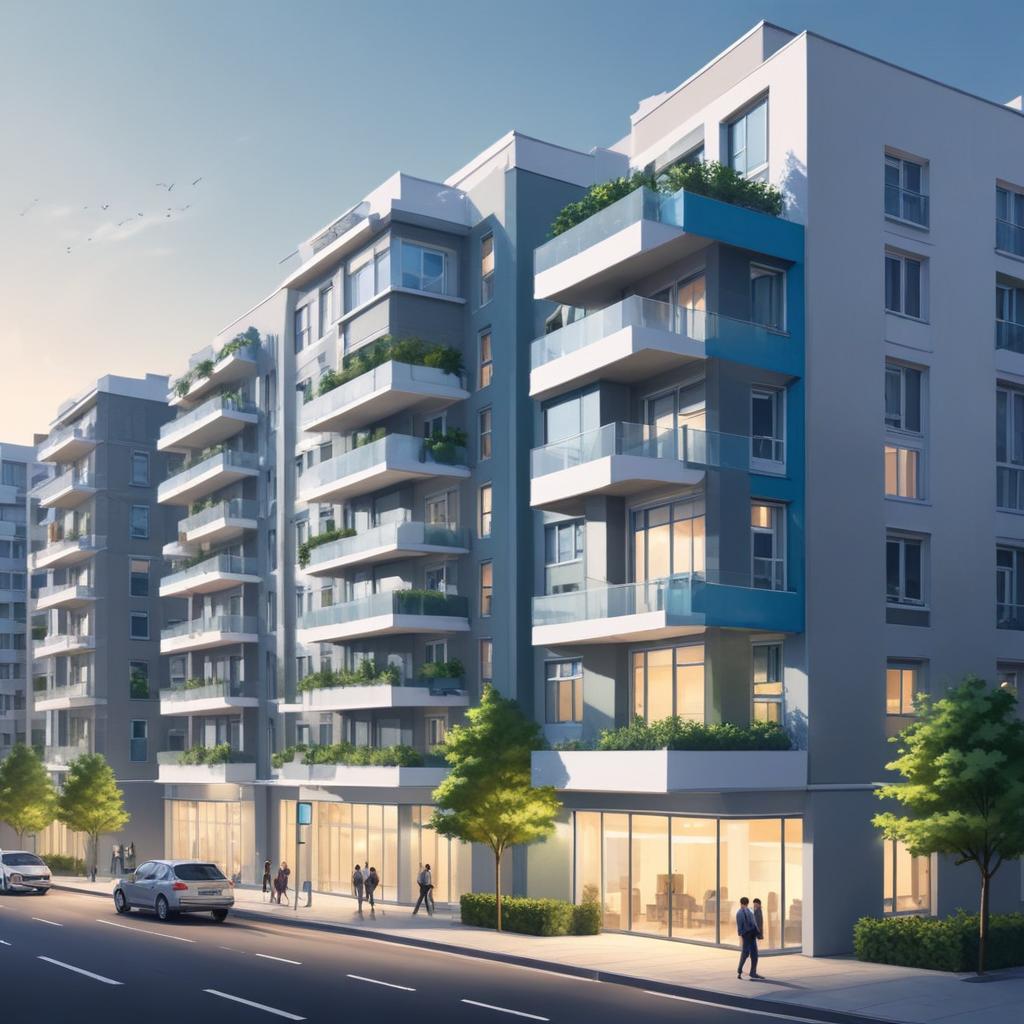
Introduction to Serviced Apartments Business
Serviced apartments are fully furnished apartments available for short-term or long-term stays, combining the comforts of a home with the services typically found in hotels. Unlike traditional hotel rooms, serviced apartments offer guests more space, privacy, and the flexibility to cook their own meals, making them especially popular among business travelers, expatriates, and families.
In the hospitality business, serviced apartments have carved out a unique niche, bridging the gap between hotels and rental homes. They provide a versatile accommodation option that caters to a growing demand for more personalized and cost-effective lodging solutions. This segment of the accommodation industry is gaining traction as travelers seek alternatives to conventional hotel stays that offer greater convenience and a more home-like experience.
The role of serviced apartments in the hospitality business extends beyond just providing a place to stay. They contribute to the diversification of hospitality offerings, attracting a broader audience including corporate clients, tourists, and individuals relocating for work or extended visits. The integration of hotel-like amenities such as housekeeping, concierge services, and fitness centers enhances the appeal of serviced apartments, setting them apart from typical rental properties.
The rise in popularity of serviced apartments as a business model can be attributed to several factors. One major driver is the increase in short term rentals fueled by changing travel habits and the need for flexible living arrangements. The global shift towards remote work and longer stays in different cities has also boosted demand in this sector. Additionally, serviced apartments often offer better value for money compared to hotels, with more space and amenities provided at competitive prices.
Overall, the serviced apartments business is a dynamic and expanding part of the accommodation industry. Its growth reflects the evolving preferences of modern travelers who prioritize comfort, flexibility, and the convenience of hospitality services. As the market continues to evolve, serviced apartments are expected to play an increasingly important role in the hospitality business, offering an attractive investment and operational opportunity for entrepreneurs and property owners alike.
Definition and Characteristics
Serviced apartments are fully furnished residential units that offer a unique blend of home comfort and hotel-like services. The definition of serviced apartments highlights their key features, which typically include spacious living areas, fully equipped kitchens, and a range of amenities designed to provide convenience and comfort. These amenities often encompass housekeeping, laundry services, gym facilities, Wi-Fi connectivity, and 24/7 security.
The target customers for serviced apartments generally include business travelers, expatriates, and families seeking medium to long-term stays. This customer base appreciates the flexibility and privacy that serviced apartments provide compared to traditional hotel rooms. Unlike hotels, serviced apartments offer the advantage of more space and the ability to cook meals, making them ideal for extended visits.
One of the main differences from hotels lies in the combination of residential living elements with the convenience of hotel services. Serviced apartments often provide a more homely environment, allowing guests to feel settled rather than transient. Additionally, the cost-effectiveness for longer stays and the privacy of self-contained units distinguish serviced apartments from the conventional hotel model. These features and advantages make serviced apartments a preferred choice for a diverse range of travelers looking for comfort, flexibility, and practicality.
Market Trends and Growth Opportunities
The serviced apartments sector is experiencing significant evolution driven by shifting market trends and increasing demand. One notable trend is the rising preference for flexible, home-like accommodations among both business travelers and tourists. This demand for more personalized and spacious living arrangements is fueling growth opportunities within the industry. Additionally, the surge in remote work and extended stays has further boosted the appeal of serviced apartments as a viable alternative to traditional hotels.
Industry statistics highlight robust growth trajectories, with occupancy rates and average length of stay consistently rising. Key demand drivers include affordability, convenience, and the enhanced health and safety measures serviced apartments offer. The ability to self-cater and maintain social distancing has become an essential advantage during recent global events, positioning serviced apartments as a preferred choice moving forward.
Looking ahead, growth opportunities abound as new markets emerge in urban centers and secondary cities worldwide. Innovations such as integrating smart technology and sustainable building practices present additional avenues for expansion. By capitalizing on these trends and aligning offerings with evolving customer needs, businesses in the serviced apartments sector can unlock substantial value and capture increasing market share in a competitive landscape.
Starting a Serviced Apartments Business
Launching a serviced apartments business requires careful planning, strategic investment, and compliance with regulatory requirements. This guide outlines the essential steps you need to take to ensure a successful business startup that capitalizes on location selection and thorough business planning.
- Conduct Market Research and Plan Your Business
Begin by understanding the demand for serviced apartments in your target area. Analyze your competition, target clientele, and potential occupancy rates. Use these insights to develop a detailed business plan outlining your objectives, strategies, financial projections, and operational approaches. - Select the Right Location
Location selection is critical to the success of your serviced apartments business. Choose areas with high tourist or business traveler traffic, proximity to transportation links, and access to amenities. A prime location will attract more guests and provide a competitive advantage. - Secure Funding and Manage Investment
Determine the capital needed for property acquisition or leasing, furnishing, staffing, and marketing. Explore various funding options including personal investment, bank loans, or investors. Proper allocation and management of funds are vital to sustain your business startup and expansion plans. - Obtain Regulatory Approvals and Licenses
Ensure you comply with all local laws and regulations relating to property use, taxation, fire safety, and hospitality operations. Acquire necessary permits and licenses before starting operations. Staying compliant avoids legal issues and builds trust with your clientele. - Set Up Operational Systems and Hire Staff
Develop efficient booking, housekeeping, maintenance, and customer service processes. Hire trained personnel to deliver exceptional guest experiences, which is key for repeat business and positive reviews. - Market Your Business Effectively
Promote your serviced apartments through online platforms, travel agents, and corporate partnerships. Use targeted marketing strategies to reach your ideal customer base and differentiate your services from competitors.
By following these steps, your serviced apartments business startup will be well-positioned for growth and success. Emphasize a sound business plan, smart investment, strategic location, and full regulatory compliance to build a sustainable operation in this competitive market.
Location and Property Selection
Choosing the right location and property type is fundamental to the success of a serviced apartments business. A well-planned location strategy involves understanding your target market and analyzing sites that align with their preferences and needs. For example, properties situated near business districts, transportation hubs, or tourist attractions typically attract more bookings due to their convenience and accessibility.
It is essential to conduct a thorough site analysis to evaluate factors such as local amenities, safety, demand trends, and competitive landscape. This analysis helps in identifying areas with the highest potential for occupancy and profitability. Additionally, selecting the appropriate property types—ranging from studio apartments to multi-bedroom units —should reflect the preferences of your target guests, whether they are business travelers, families, or long-term visitors.
Integrating these considerations into your location strategy ensures that you maximize bookings while optimizing operational efficiency. The right property in the right location attracts loyal customers, enhances guest satisfaction, and ultimately drives sustainable revenue growth for your serviced apartments business.
Licenses, Permits, and Compliance
Operating a serviced apartments business requires strict adherence to various legal requirements to ensure smooth and lawful operations. First and foremost, obtaining the necessary licenses and permits is essential. These typically include a business license, which grants the right to operate within a specific jurisdiction, and specialized permits such as health and safety certifications, fire safety clearances, and sometimes zoning permits that confirm the property complies with local land use regulations.
In addition to securing permits, compliance with ongoing regulations is critical. This encompasses adhering to health and safety standards to protect guests and staff, as well as meeting tax obligations specific to hospitality and short-term rental industries. Ensuring conformity with data protection laws when handling guest information is another vital aspect. Regular inspections by government agencies may be required, and keeping detailed records of maintenance, safety checks, and guest registrations helps demonstrate compliance.
Failing to meet these legal requirements and regulations can lead to severe penalties, fines, or even the closure of the business. Consequently, it’s advisable to consult with legal professionals or industry experts to stay updated on changes in laws affecting serviced apartments. Establishing a robust compliance framework not only helps avoid legal troubles but also enhances the reputation and trustworthiness of the business in the eyes of customers and regulatory bodies alike.
Marketing and Customer Acquisition
Effective marketing strategies are essential for the success of a serviced apartments business. To attract a steady stream of guests, it is vital to utilize multiple channels and focus on customer acquisition through targeted campaigns. One of the most powerful tools is establishing a robust online presence. This includes optimizing your website with clear information, attractive visuals, and easy navigation so potential customers can quickly understand your offerings and make bookings.
Digital marketing strategies such as search engine optimization (SEO), pay-per-click advertising (PPC), and social media marketing can significantly increase your visibility. Leveraging platforms like Instagram, Facebook, and LinkedIn to share engaging content and customer testimonials helps build trust and attracts more potential clients. Additionally, email marketing campaigns can nurture leads and encourage repeat bookings by keeping your audience informed about promotions and updates.
Integrating your serviced apartments with popular booking platforms is another crucial aspect of customer acquisition. Platforms like Airbnb, Booking.com, and Expedia enhance your reach by connecting you with a global audience searching for short-term accommodation. Managing your listings effectively on these platforms with competitive pricing, accurate descriptions, and prompt responses will help improve your booking rates and overall reputation.
By combining online presence efforts and leveraging booking platforms, along with targeted marketing strategies, serviced apartment businesses can attract and retain a loyal customer base and stay competitive in a dynamic marketplace.
Managing and Scaling a Serviced Apartments Business
Effective business management is crucial for the success of any serviced apartments business. Operational management starts with streamlining daily processes, from booking and housekeeping to maintenance and guest communication. Implementing reliable property management software can automate many tasks, reduce errors, and increase efficiency. Clear standard operating procedures (SOPs) should be established and communicated to the team to ensure consistency in service delivery and operational workflows.
Delivering excellent customer service is pivotal in the serviced apartments industry, where guest experience directly influences reviews and repeat business. Staff should be trained to be responsive, courteous, and proactive in addressing guest needs. Personalization can differentiate your service—simple gestures like personalized welcome notes or quick responses to inquiries can leave a lasting positive impression. Regularly gathering guest feedback and acting on it helps refine service quality and address issues before they escalate.
Scaling the business effectively requires a strategic approach to growth. This includes expanding the apartment portfolio either through ownership or partnership, diversifying offerings by catering to different customer segments, and exploring new locations with high demand. Financial planning and cash flow management are vital to support expansion without compromising operational stability. Investing in technology to integrate reservations, payment processing, and customer relationship management can provide scalable solutions that grow with the business.
Additionally, building a strong brand identity focused on reliability, comfort, and exceptional customer service can facilitate customer loyalty and attract new clients via word-of-mouth and online platforms. Collaborating with travel agencies and corporate clients can create steady booking streams, ensuring occupancy rates that support scaling efforts. Efficient business management, combined with superior operations and customer service, lays the foundation for sustainable growth in the competitive serviced apartments market.
Operational Best Practices
Effective operations management is vital for the success of any serviced apartments business. Day-to-day operations should focus on smooth guest check-ins and check-outs, efficient housekeeping schedules, and responsive customer service to address tenant needs promptly. Implementing standardized procedures helps maintain consistency and reliability across all service points.
Maintenance strategies are crucial to ensure the apartments remain in excellent condition. Regular inspections, preventive maintenance checks, and prompt repairs reduce downtime and enhance guest satisfaction. Utilizing a computerized maintenance management system (CMMS) can streamline work order tracking and prioritize urgent maintenance tasks.
Staffing needs must be aligned with operational demands to provide seamless service. Employing well-trained personnel for reception, housekeeping, maintenance, and guest support ensures that all aspects of property management are handled professionally. Continuous training programs and employee engagement initiatives help maintain high performance and low turnover rates.
Maintaining service quality hinges on rigorous quality control measures. Regular guest feedback collection and analysis enable quick identification of service gaps. Establishing clear service standards and conducting periodic audits help uphold these benchmarks. Investing in technology, such as property management systems (PMS), enhances operational efficiency and supports superior guest experiences.
Technology and Automation
In the serviced apartments business, technology and automation play a crucial role in streamlining operations and significantly enhancing the guest experience. By integrating advanced property management systems, operators can efficiently handle bookings, payments, and maintenance requests, reducing manual workload and minimizing errors. Automation enables real-time updates and seamless communication across all departments, ensuring every guest’s need is anticipated and addressed promptly.
Property management systems equipped with automation tools allow for easy management of inventory, dynamic pricing, and housekeeping schedules, all from a centralized platform. This technological approach not only improves operational efficiency but also enables better resource allocation, which helps in cutting costs and improving service quality. Additionally, automating repetitive administrative tasks frees up staff to focus more on personalized guest interactions, thereby enhancing customer satisfaction.
From the guest’s perspective, technology boosts convenience and satisfaction through mobile check-ins, digital guest communication, smart room controls, and faster response times to inquiries or requests. These innovations create a smooth, hassle-free experience that meets modern travelers’ expectations. Overall, the implementation of technology and automation in serviced apartments transforms property management while elevating the overall guest experience, making it a vital component of business success in this competitive industry.
Growth Strategies and Expansion
Scaling a serviced apartments business requires a strategic approach to growth and expansion. One of the most effective methods is franchising, which allows the business to leverage its brand and operational model to tap into new markets rapidly without bearing the full cost of expansion. By offering franchises, business owners can benefit from franchise fees and ongoing royalties while empowering franchisees to manage local operations.
Partnerships also play a crucial role in expanding a serviced apartments business. Collaborating with real estate developers, property managers, and travel agencies can provide access to new properties, customers, and marketing channels. These strategic alliances enhance the business’s reach and create opportunities for co-branded promotions, increasing visibility and customer acquisition.
Investment is another critical factor to consider. Securing additional capital either through private investors or venture capital can accelerate growth by funding property acquisitions, renovations, and marketing efforts. A solid investment strategy supports scalable operations and ensures the business can maintain high service standards as it expands.
Ultimately, combining franchising, partnerships, and smart investment decisions creates a robust framework for scaling a serviced apartments business. These strategies not only increase market presence but also build a resilient business model capable of adapting to different regional demands and competitive landscapes.

I love spotting the intersection between business strategy and travel experiences. When I’m not planning my next trip, I enjoy writing about how entrepreneurs can turn journeys into growth opportunities.