Planning Your Business Conference Travel
When planning your business conference travel, it is essential to be organized and methodical to ensure everything goes smoothly. Proper business conference planning involves careful budgeting, scheduling, and gathering all necessary documentation ahead of time. These crucial steps will help you avoid last-minute surprises and ensure you can focus on your conference objectives.
- Create a detailed budget: Begin by estimating all potential expenses associated with the conference travel. This includes airfare, accommodation, local transportation, meals, conference fees, and incidental costs. Use past travel experiences or available online resources to get accurate estimates. Setting a clear budget at the start allows you to track your spending and make adjustments as necessary, eliminating financial stress during your trip.
- Schedule your trip carefully: Choose travel dates that allow you to arrive early enough to settle in and attend pre-conference activities or networking events. Consider potential time zone changes and travel delays. Use calendar tools and reminders to block off important dates related to your conference and travel to avoid scheduling conflicts. Planning your itinerary ensures you make the most of your time and attend all key sessions without rush.
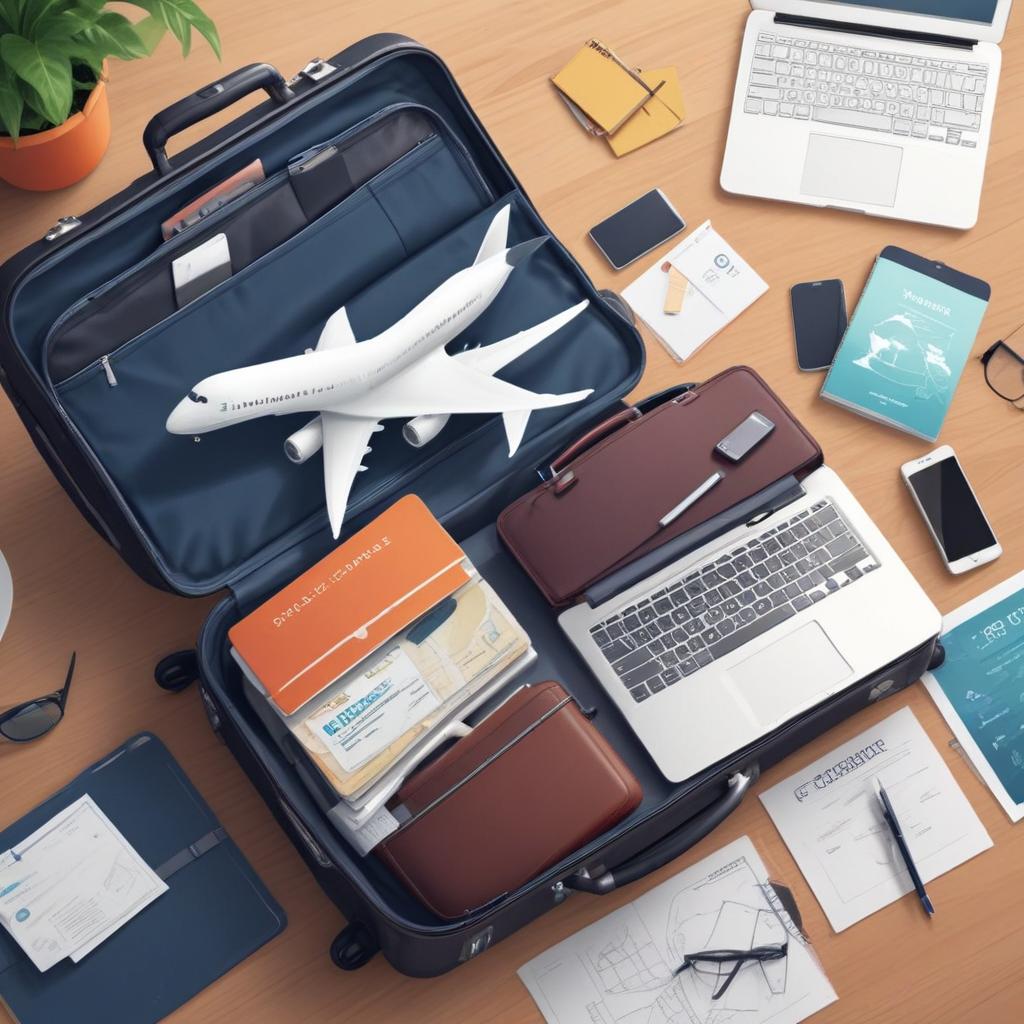
- Prepare all necessary documentation: Check the entry requirements for your destination, including visas, passports, and any health documentation related to COVID-19 or other regulations. Organize your conference registration confirmation, travel tickets, hotel reservations, and contact information in one accessible place. Also, keep digital copies backed up on your phone or cloud storage. This preparation step is vital to avoid any last-minute issues at the airport or conference venue.
- Research and plan local arrangements: Arrange transportation from the airport to your accommodation in advance and look into local dining options and nearby amenities. Understanding the local area helps you navigate more confidently once you arrive. Additionally, check the conference venue location relative to your hotel and identify the best routes and transportation options.
- Pack strategically: Make a checklist of all required items, focusing on business essentials like chargers, presentation materials, appropriate attire, and any promotional materials. Packing well in advance ensures you don’t forget any important items and reduces travel day stress.
By following these conference travel tips and preparing thoroughly, you will set yourself up for a productive and successful business conference experience.
Booking Flights and Accommodation
Booking flights and hotel reservations for business conference travel requires careful planning to align with tight schedules and budget constraints. Start by selecting flight times that maximize your availability for sessions and networking while minimizing layovers and transit delays. Booking early often secures better rates and preferred seats. To stay within budget, compare prices across multiple airlines and consider flexible fare options that allow date changes without hefty fees.
When it comes to travel accommodations, prioritize hotels that offer proximity to the conference venue. This reduces commute time and additional transportation costs. Look for hotels that provide business amenities such as Wi-Fi, meeting rooms, and convenient check-in/check-out times. Booking rooms with flexible cancellation policies can save money if plans change. Don’t overlook bundled offers that combine flights and hotel reservations, as these can provide additional savings.
Use travel management tools or corporate travel platforms to streamline the booking process and keep all travel accommodations organized in one place. Remember to confirm all bookings and keep digital and printed copies of your itinerary and hotel reservations. Proper planning and early booking not only ensure you meet your business conference schedule but also help control travel expenses effectively.
Organizing Your Conference Itinerary
Efficient time management is crucial when attending a business conference, and organizing a detailed conference agenda can make all the difference. Start by reviewing the event scheduling details provided by the organizers, identifying key sessions, workshops, and networking events that align with your goals. Prioritize the sessions that offer the most value and fit your objectives.
Create a structured itinerary that breaks your day into blocks of time, allocating specific periods for attending sessions, networking opportunities, and important meetings. Include travel time between venues if the conference spans multiple locations. This level of planning helps prevent overlap and ensures you make the most of every moment.
Remember to incorporate buffer periods for unexpected delays or impromptu meetings. Digital tools or apps can assist in keeping your schedule organized and provide reminders to stay on track. Make sure to share your agenda with colleagues or team members if you are attending multiple sessions separately, so everyone stays informed and coordinated.
By managing your time effectively and following a well-planned conference agenda, you will be prepared to maximize your experience, balance learning, networking, and meetings efficiently, and ultimately achieve your conference goals.
Maximizing Productivity During Business Conference Travel
Business conference travel presents unique opportunities to enhance your professional network while advancing your work goals. To truly maximize your productivity during these trips, it’s essential to adopt strategies that balance efficiency with meaningful engagement.
First, planning ahead is key. Research the conference schedule and identify sessions, workshops, or networking events that align closely with your goals. Prioritize these activities to make the best use of your limited time. Utilize productivity travel tips like organizing your itinerary digitally, setting reminders for important events, and packing smart to avoid unnecessary stress and delays.
Maintaining business travel efficiency also means managing your work time effectively. Set aside specific blocks during the trip for catching up on emails or project tasks. Using travel time such as flights or train rides for focused work can significantly increase your output. Bring along portable tech tools like a laptop, noise-canceling headphones, and portable chargers to maintain seamless workflow regardless of location.
Networking is a critical component of any conference. Approach these opportunities with clear objectives, whether it’s connecting with potential clients, learning from industry peers, or exploring partnerships. Prepare concise conversation starters and follow-up questions in advance to make your interactions more impactful. Remember, networking goes beyond exchanging business cards; building genuine relationships is what fosters long-term success.
Finally, take care of your wellbeing to sustain productivity throughout your business travel. Ensure adequate rest, stay hydrated, and maintain healthy eating habits even on the move. Balanced physical and mental health supports sharper focus and greater energy levels, enabling you to capitalize on every moment during the conference.
By combining thorough preparation, efficient work habits, purposeful networking, and self-care, you can transform business conference travel into a highly productive and rewarding experience that drives your career forward.
Networking Effectively at Conferences
Successful networking at business conferences requires preparation and genuine interaction. Begin by researching the event’s agenda and attendees list, so you can identify key peers, speakers, and industry leaders you want to connect with. Setting clear networking goals helps focus your efforts and makes your interactions more purposeful. When attending sessions or social events, approach conversations with active listening and open-ended questions to foster meaningful dialogue and build authentic conference relationships.
Use networking tips like introducing yourself with a brief, engaging elevator pitch that highlights your professional background and objectives. Exchange business cards or contact information smoothly and consider following up with personalized messages after the conference to reinforce the connections made. Attending workshops or panel discussions also provides natural opportunities to engage in group conversations and demonstrate your expertise.
Additionally, don’t underestimate the power of informal moments, such as coffee breaks or meals, to build rapport. Smile, maintain good body language, and be approachable to encourage others to initiate dialogue. By applying these networking tips consistently, you will expand your network, create valuable business connections, and cultivate long-lasting conference relationships that can support your professional growth and future collaborations.
Maintaining Work-Life Balance on the Road
Traveling for business conferences can often disrupt your usual routine, leading to increased stress and challenges in maintaining a healthy work-life balance. However, with conscious effort and practical strategies, you can effectively manage stress and foster business travel wellness even while on the road.
One essential technique is to establish a flexible but consistent daily routine that incorporates elements of your normal life. Prioritize regular sleep patterns by setting a fixed bedtime and wake-up time, even if you are in different time zones. Ensuring adequate rest is fundamental to stress management and maintaining your energy levels throughout busy conference days.
Another powerful strategy is to incorporate physical activity into your travel schedule. Whether it’s a morning jog, a session at the hotel gym, or simple stretching exercises in your room, staying active supports physical health and reduces stress. Additionally, practicing mindfulness through meditation or deep breathing exercises can help calm your mind and enhance focus.
Maintaining a balanced diet also plays a crucial role in business travel wellness. Opt for nutritious meals and stay hydrated to keep your body fueled and resilient against fatigue and stress. Avoid excessive caffeine or alcohol consumption, which can negatively impact sleep quality and stress levels.
Finally, set clear boundaries between work and personal time on the road. Use downtime to disconnect from work emails and tasks, engage in hobbies, or connect with friends and family. These practices will support your overall well-being and ensure you return from your business conference refreshed and balanced.
Post-Conference Travel and Follow-Up Strategies
After attending a business conference, the journey doesn’t end at the closing remarks. Implementing effective post-conference tips is essential to maximize the value from your trip. One of the first steps is organizing your business travel wrap-up. This involves reviewing notes, collecting business cards, and categorizing contacts and information gathered during the event. This process ensures that no valuable leads or insights are lost after an intense few days of networking and learning.
Follow-up emails play a critical role in solidifying connections made at the conference. It’s best to send personalized follow-up emails within 24 to 48 hours of the event. This shows professionalism and genuine interest. In your email, reference specific conversations or shared interests from the conference to make your message memorable. Including proposals for subsequent meetings or calls can help nurture the relationship further.
Travel considerations after the conference should not be overlooked. Make sure to plan your return journey with enough time to rest and regroup before diving back into work. Keep all receipts and document expenses for easy reimbursement or tax purposes. Reviewing what worked and what didn’t during your trip can improve future business travel strategies, making your next conference even more productive.
Additionally, consider sharing your conference experiences and new insights with colleagues or your wider team. This can be done through a summary email, presentation, or informal discussion. It’s a great way to multiply the benefits of your business travel wrap-up by fostering team growth and awareness.
In summary, effective post-conference strategies hinge on timely follow-up emails, thorough organization of contacts and insights, careful travel planning, and sharing knowledge with your team. These steps ensure your investment in attending the conference yields long-term professional gains.
Effective Follow-Up with Contacts
Crafting personalized follow-up messages is a crucial step in maximizing your conference networking efforts. After making initial connections, your follow-up strategy should emphasize genuine engagement to strengthen relationships. Start by referencing specific details from your conversation, such as topics discussed or common interests, to show that you paid attention and value the interaction.
Use your follow-up strategies to tailor each message individually, avoiding generic copy-paste emails. Personalization increases the likelihood that business contacts will respond positively, paving the way for future collaboration. Be clear about your intentions, whether it’s to schedule a meeting, share additional resources, or explore mutual opportunities, but keep the tone polite and professional.
Consistent and thoughtful relationship building through these personalized messages will help convert casual encounters into meaningful business connections. Timing also matters—reach out within a few days after the conference while the interaction is still fresh in both parties’ minds. By doing so, you reinforce your memory and create a solid foundation for ongoing communication.
Remember, effective follow-up with contacts is about quality over quantity. Invest time in crafting messages that reflect your genuine interest and professionalism. This approach ensures your network expands with valuable and trustworthy business relationships that benefit your career long after the conference ends.
Efficient Travel Arrangements for Return Trips
When planning your return travel after a business conference, efficiency is key to minimize stress and maximize productivity. Start by organizing your return travel planning well in advance. Booking return flights early can often secure better rates and preferred flight times, reducing last-minute hassles. Consider flights that allow flexibility in case your conference schedule changes.
Be mindful of travel logistics such as transportation between the conference venue, accommodation, and airport. Arrange for reliable transportation ahead of time to avoid delays. If possible, sync your departure time with the end of the conference to optimize your schedule and avoid long waiting periods between events and travel.
Utilize airline apps or travel management tools to monitor your return flight status and receive timely updates on any changes or delays. Additionally, keep all essential documents and tickets accessible either digitally or in print to streamline airport procedures. Efficient return travel planning will ensure you end your business trip smoothly and stay on top of your work commitments.

I love spotting the intersection between business strategy and travel experiences. When I’m not planning my next trip, I enjoy writing about how entrepreneurs can turn journeys into growth opportunities.