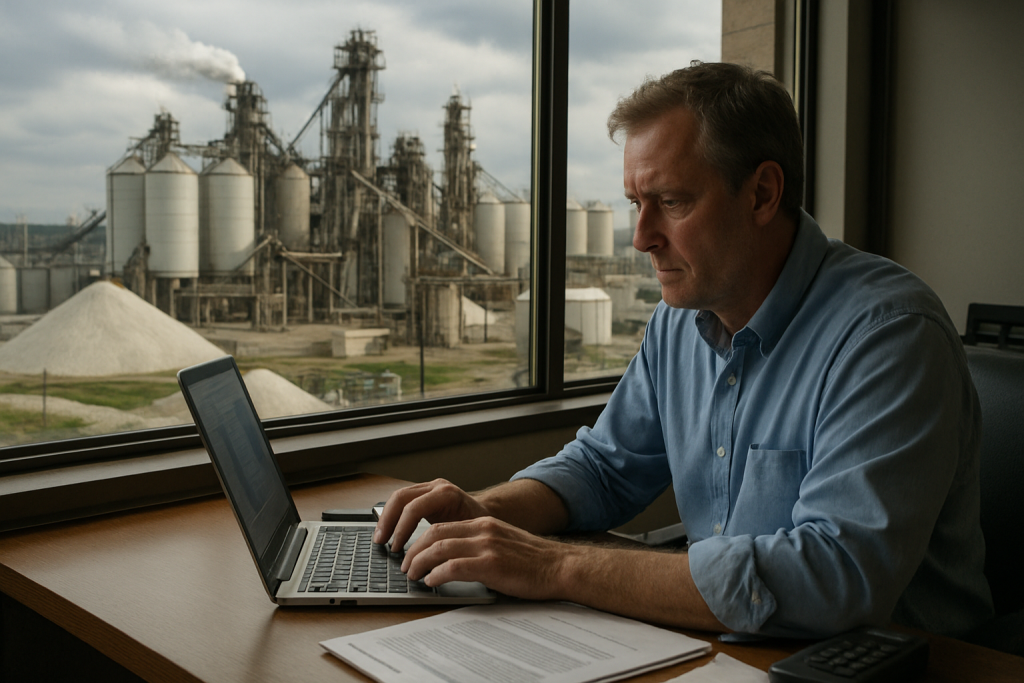
The U.S, U.S. fertilizer industry developments. fertilizer industry is undergoing significant transformations driven by various investment and supply-chain trends that are reshaping the agribusiness landscape. As farmers and agricultural businesses seek to optimize food production, understanding these trends is essential for stakeholders in the fertilizer production sector. The dynamics of the nitrogen market, phosphate market, and potash market, along with evolving agribusiness investment strategies, are pivotal to these developments. This article will explore the key trends affecting the U.S. fertilizer and agribusiness market, focusing on how these factors influence agricultural supply chains and crop inputs.
Understanding the Current State of the U.S. Fertilizer Industry
The U.S. fertilizer industry has seen fluctuations in demand due to various factors, including global commodity trade dynamics and environmental regulations. As of recent years, the industry has experienced a resurgence in investment aimed at enhancing fertilizer production capabilities. This renewed interest can largely be attributed to the need for sustainable agricultural practices that ensure the long-term viability of U.S. agriculture. The emphasis on environmentally friendly fertilizers and innovative production methods is becoming increasingly important as stakeholders recognize the impact of fertilizers on soil health and crop yields.
Moreover, the geopolitical landscape has played a crucial role in shaping the fertilizer industry. Disruptions in supply chains due to global conflicts and trade policies have pushed U.S. agribusinesses to reevaluate their sourcing strategies. This has led to a more localized approach to fertilizer production, with companies investing in domestic manufacturing facilities to mitigate risks associated with international supply chain dependencies.
In light of these developments, agribusiness investment is shifting toward technologies that enhance efficiency and sustainability in fertilizer production. Companies are exploring advanced manufacturing processes, such as precision agriculture and smart farming technologies, which allow for more efficient use of fertilizers and better management of crop inputs. This trend aligns with the increasing demand for sustainable practices in food production, where minimizing environmental impacts is a priority.
Investment Trends in Fertilizer Production
The fertilizer production landscape in the U.S. is experiencing substantial investment inflows aimed at modernizing facilities and expanding production capacities. Investors are recognizing the potential for high returns in the fertilizer sector, particularly as global food demands continue to rise. With a focus on increasing efficiency, many companies are adopting technologies that streamline operations and reduce waste in fertilizer manufacturing.
One notable trend is the increasing investment in nitrogen production facilities. The nitrogen market has seen a surge in demand, driven by the need for crops that require high nitrogen inputs, such as corn and wheat. As a result, companies are investing in new production plants and upgrading existing facilities to enhance output and reduce production costs. This trend not only supports the needs of U.S. agriculture but also positions the country as a key player in the global nitrogen market.
Additionally, investments in phosphate and potash markets are gaining momentum as well. The phosphate market, essential for crop growth and soil fertility, is adapting to new environmental standards. Companies are focusing on sustainable extraction and processing methods to minimize ecological impacts. Similarly, the potash market is experiencing growth as the demand for potassium-rich fertilizers rises, particularly in regions with intensive agricultural practices. Investments are being directed toward developing new potash mines and improving transportation infrastructure to facilitate distribution.
Supply Chain Innovations in Agribusiness
The agricultural supply chain is evolving rapidly, with innovations aimed at enhancing efficiency and reducing costs. Companies are increasingly adopting technologies that provide real-time data on inventory levels, production schedules, and shipping logistics. This digital transformation is crucial for optimizing the supply chain, as it enables stakeholders to make informed decisions based on accurate information.
Verified Market Research: Colemanite and Hydroboracite Market: Insights and Growth Potential
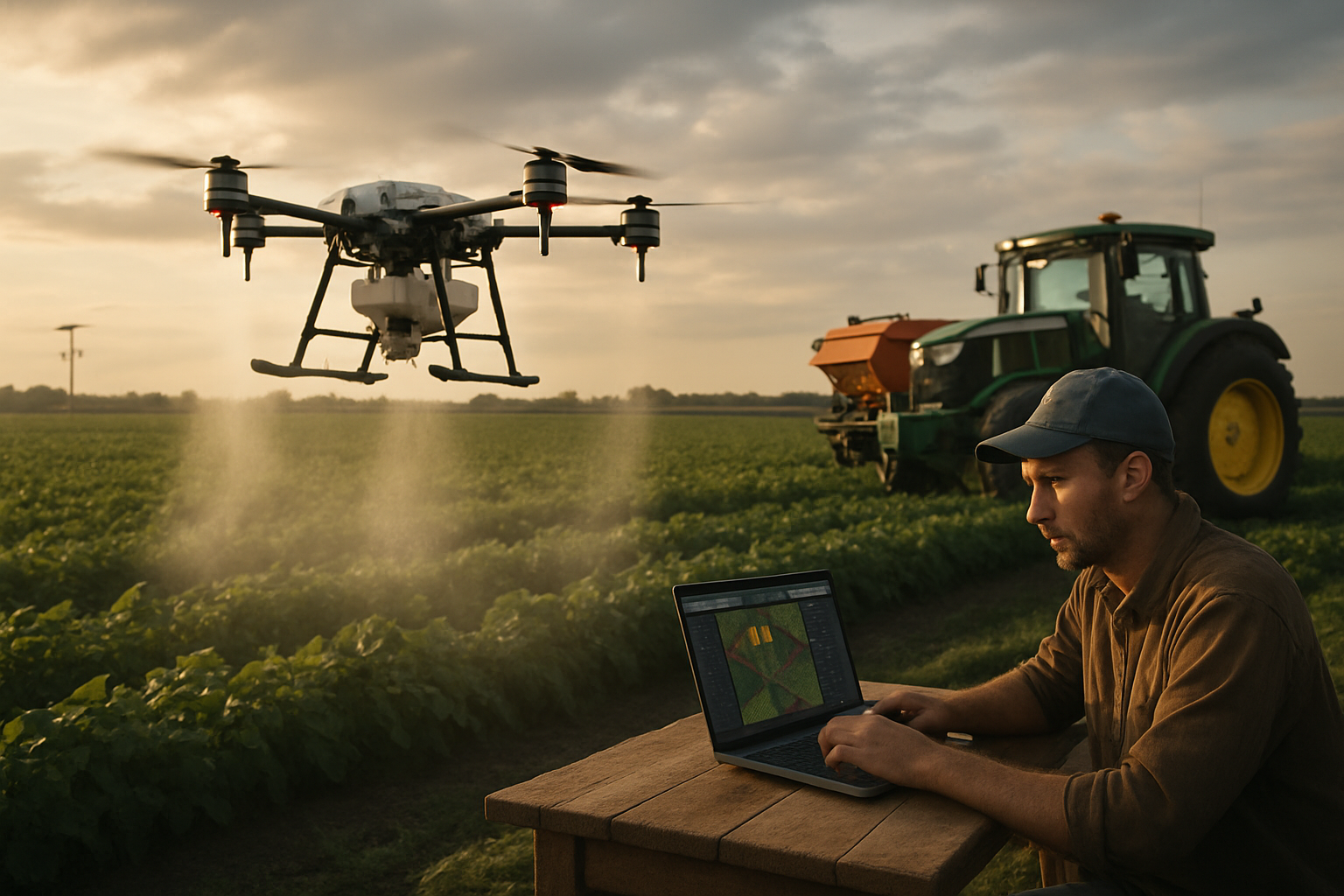
One significant innovation in the supply chain is the use of blockchain technology. By implementing blockchain, companies can enhance transparency and traceability in the fertilizer supply chain. This technology allows stakeholders to track the origin of raw materials and monitor the production process, ensuring compliance with environmental regulations and quality standards. Enhanced traceability is particularly important in the fertilizer industry, where consumers and regulatory bodies are demanding greater accountability regarding sourcing and sustainability practices.
Furthermore, the integration of artificial intelligence and machine learning in supply chain management is transforming how agribusinesses operate. These technologies enable predictive analytics, allowing companies to forecast demand more accurately and adjust their production schedules accordingly. By aligning production with actual market needs, companies can reduce excess inventory and improve overall efficiency in the fertilizer supply chain.
Environmental Considerations and Sustainability
As environmental concerns become increasingly prominent, the U.S. fertilizer industry is facing pressure to adopt more sustainable practices. The impact of fertilizers on soil health and water quality has raised questions about their long-term viability in agriculture. Consequently, agribusiness investment is shifting toward sustainable fertilizer options that minimize environmental harm while maximizing crop yields.
Organic fertilizers and biostimulants are gaining traction as alternatives to traditional synthetic fertilizers. These products offer a more environmentally friendly approach to crop inputs, promoting soil health and reducing the risk of nutrient runoff into waterways. The growing consumer preference for organic produce is driving demand for these sustainable fertilizers, prompting companies to invest in research and development to expand their product offerings.
Moreover, regulatory agencies are implementing stricter guidelines around fertilizer use, encouraging farmers to adopt best management practices that minimize environmental impacts. As a result, agribusinesses are investing in educational programs and resources to help farmers understand how to use fertilizers responsibly and effectively. This emphasis on sustainable practices aligns with the broader goals of U.S. agriculture to enhance food production while preserving natural resources.
Global Market Dynamics Impacting U.S. Fertilizer Industry
The global fertilizer market significantly influences the U.S. fertilizer industry, with international trade policies and commodity prices playing a crucial role in shaping local supply chains. Recent geopolitical events, such as trade disputes and sanctions, have disrupted the flow of fertilizers across borders, prompting U.S. companies to seek alternative sources and develop domestic production capabilities.
For instance, fluctuations in the price of raw materials used in fertilizer production, such as natural gas for nitrogen fertilizers, can have a direct impact on production costs. The U.S. fertilizer industry must remain agile in responding to these global market dynamics, ensuring that they can maintain competitive pricing while meeting domestic demand.
Additionally, the rise of emerging markets presents both challenges and opportunities for the U.S. fertilizer sector. As countries in Asia and Africa continue to develop their agricultural industries, demand for fertilizers is expected to grow. U.S. companies are exploring export opportunities to these regions, which may provide new revenue streams and support the overall growth of the fertilizer industry.
Challenges Facing the Fertilizer Industry
Despite the positive trends in investment and supply chain innovations, the U.S. fertilizer industry faces several challenges that could hinder its growth. One of the primary concerns is the volatility of raw material prices, which can significantly impact production costs. Companies must develop strategies to mitigate these risks, such as diversifying their supply sources and investing in alternative materials.
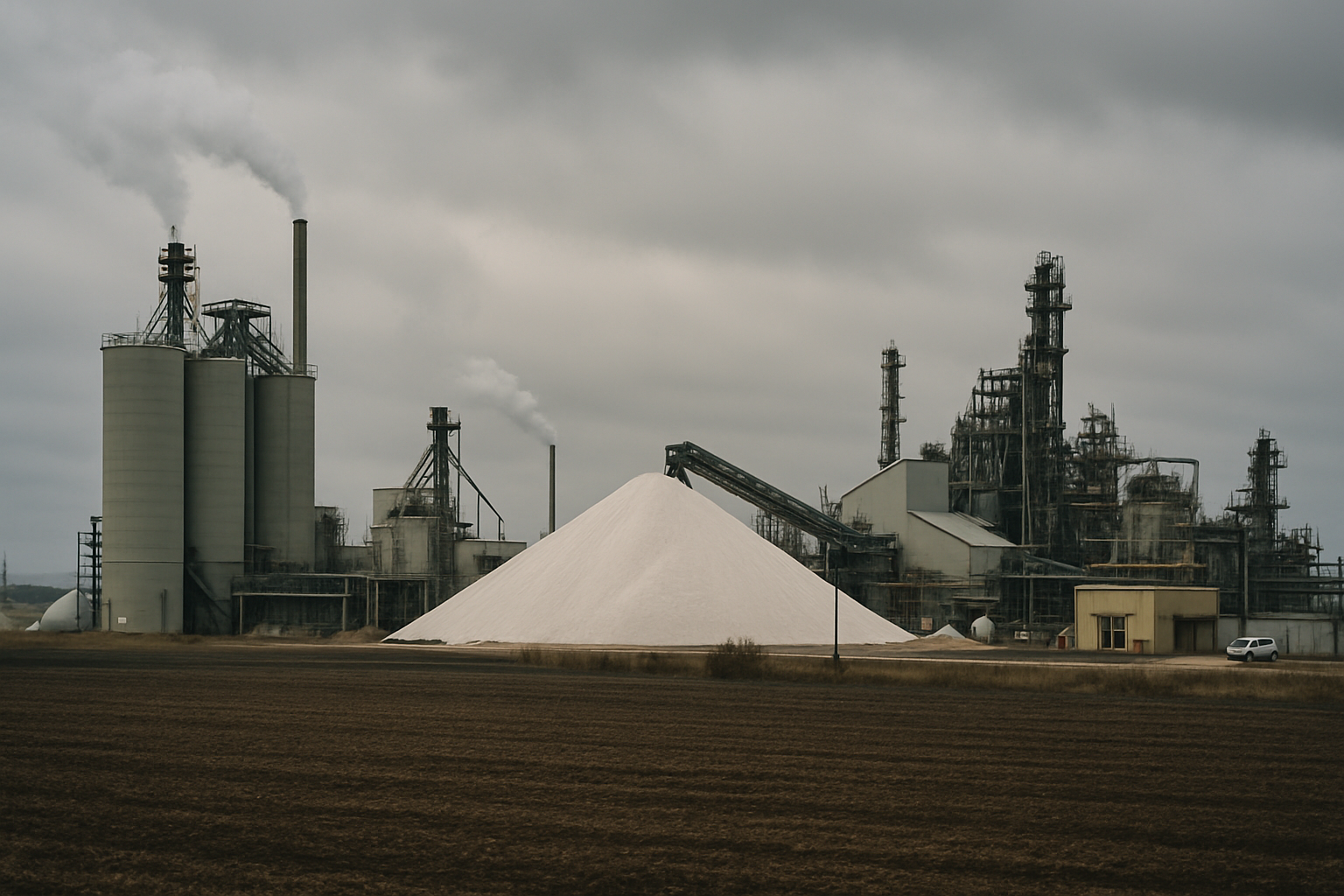
Another challenge is the increasing regulatory scrutiny surrounding fertilizer use. As governments implement stricter environmental regulations, companies must adapt their practices to comply with new standards. This often requires significant investment in research and development, as well as changes to production processes. Failure to comply with these regulations can result in costly fines and reputational damage.
Furthermore, the labor market poses challenges for the fertilizer industry. Skilled labor shortages in manufacturing and agricultural sectors can impede production capabilities and limit growth. To address this issue, companies must invest in workforce development and training programs to attract and retain talent in the industry.
Future Outlook for U.S. Fertilizer and Agribusiness Markets
The future of the it industry appears promising as investment trends and supply-chain innovations continue to evolve. As the demand for food production rises, driven by population growth and changing consumer preferences, the need for effective crop inputs will remain critical. The industry is poised to adapt to these changes by embracing sustainability and technological advancements.
Looking ahead, the nitrogen market will likely continue to thrive, supported by ongoing investments in production facilities and advancements in sustainable practices. The phosphate and potash markets will also benefit from increased demand, particularly as farmers seek to optimize their crop yields in an increasingly competitive environment.
Moreover, the integration of digital technologies and data analytics will play a vital role in shaping the future of the agricultural supply chain. Companies that leverage these tools will be better positioned to respond to market fluctuations and consumer demands, enhancing their competitiveness in the global market.

I love spotting the intersection between business strategy and travel experiences. When I’m not planning my next trip, I enjoy writing about how entrepreneurs can turn journeys into growth opportunities.