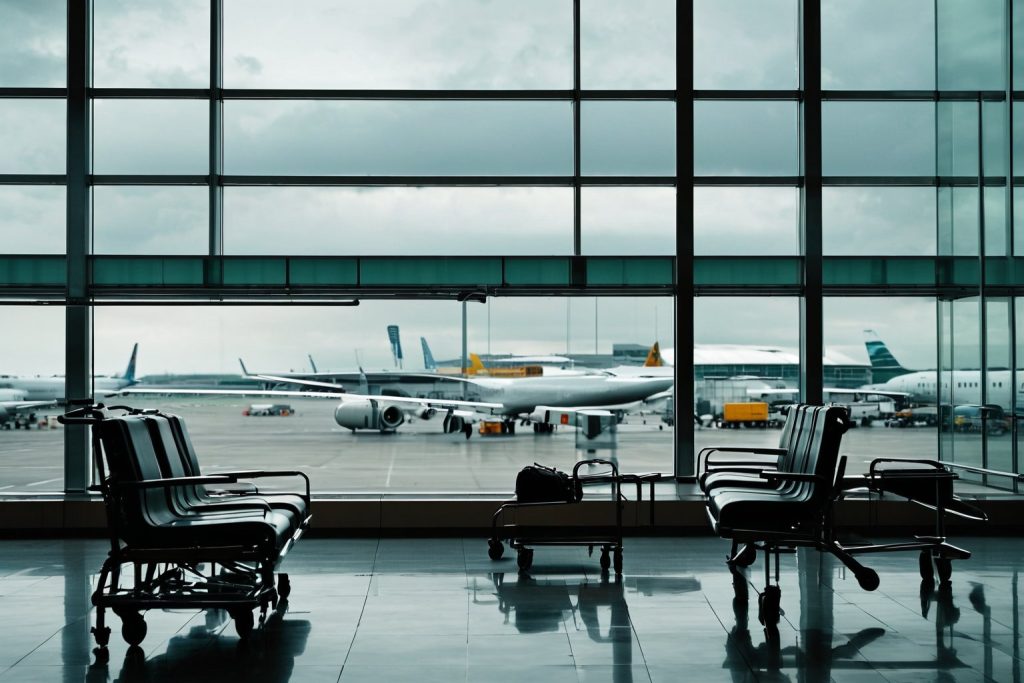
Unexpected interruptions can turn a scheduled work trip into a logistical challenge. For the professional traveler, these moments test both patience and preparation. Understanding how to react quickly protects your schedule and your company’s investment. This guide offers a curated roundup of concrete options for navigating these disruptions, focusing on practical steps and strategic choices.
Assess the Situation Immediately
The first moments after a disruption dictate the course of your response, managing flight cancellations on business trips. Do not assume the airline or hotel will have all the answers; take stock of your specific needs. Check the reason for the delay or cancellation, as this often determines your rights and the available options. If it is a weather event, policies differ significantly from mechanical issues. Note the time of the incident and your original arrival time. This information forms the basis for any negotiation or claim later. A clear head and quick assessment save hours of frustration later.
Contact Your Airline and Explore Rebooking
Rebooking is often the fastest way to get back on track, but it requires assertiveness. Approach the airline desk or use their app immediately, as availability changes by the minute. Ask about alternate flights, even those departing from nearby airports, which might have space. If the disruption is the airline’s fault, inquire about compensation or meal vouchers, though these are not always guaranteed. For business travelers, time is money, so pushing for the earliest possible departure should be the priority. Keep a record of all interactions and any new flight details provided.
Leverage Travel Insurance for Financial Protection
A robust travel insurance policy can be the difference between a minor inconvenience and a financial disaster. Policies vary widely, so review your coverage before you travel, looking specifically for trip interruption and delay benefits. Some plans cover rebooking fees, while others reimburse additional accommodation costs incurred due to delays. When a disruption occurs, file a claim promptly, providing documentation like boarding passes and receipts. This financial safety net allows you to focus on the meeting rather than the cost of getting there.

Utilize Ground Transportation Alternatives
When flights are grounded, ground transport becomes a viable backup, especially for shorter distances. Train services often operate on more stable schedules than air travel during crises. Rental cars offer flexibility, though fuel shortages or road closures can pose risks. Consider ride-sharing services for point-to-point needs, but weigh the cost against the value of your time. For the business traveler, having a pre-researched list of reliable ground transport options in the destination city ensures you can reach your meeting even if the skies are closed.
Coordinate with Your Company’s Travel Policy
Most companies have established travel policies designed to handle exactly these scenarios. Familiarize yourself with the guidelines regarding rebooking, expense limits, and approval processes. In many cases, the company travel desk can intervene on your behalf with the airline, leveraging corporate contracts for better rebooking options. Always report the disruption to your manager or travel coordinator as soon as possible. This formal reporting ensures you are compliant with company rules and may unlock additional support resources.
Secure Accommodation Near Your Destination
If a reflight is not possible until the next day, securing comfortable accommodation near the airport or city center is essential. Last-minute hotel bookings can be expensive, so having a corporate rate or a preferred hotel chain membership can mitigate cost shocks. Look for hotels that offer flexible cancellation policies, allowing you to change plans if your flight is rescheduled. Ensure the location is convenient for your meeting venue, reducing ground travel time once you finally arrive. A good night’s rest is critical for performing well in your business engagements.

Plan for the Next Business Trip
Every disruption is a data point for improving future travel resilience. After the trip, review what worked and what failed in your response strategy. Did your insurance cover the costs? Was the rebooking process smooth? Use these insights to update your personal travel checklist or discuss policy improvements with your employer. Perhaps invest in a more comprehensive insurance plan or a travel management company that offers 24/7 support. Learning from each disruption turns a negative experience into a more secure future travel profile.

I love spotting the intersection between business strategy and travel experiences. When I’m not planning my next trip, I enjoy writing about how entrepreneurs can turn journeys into growth opportunities.