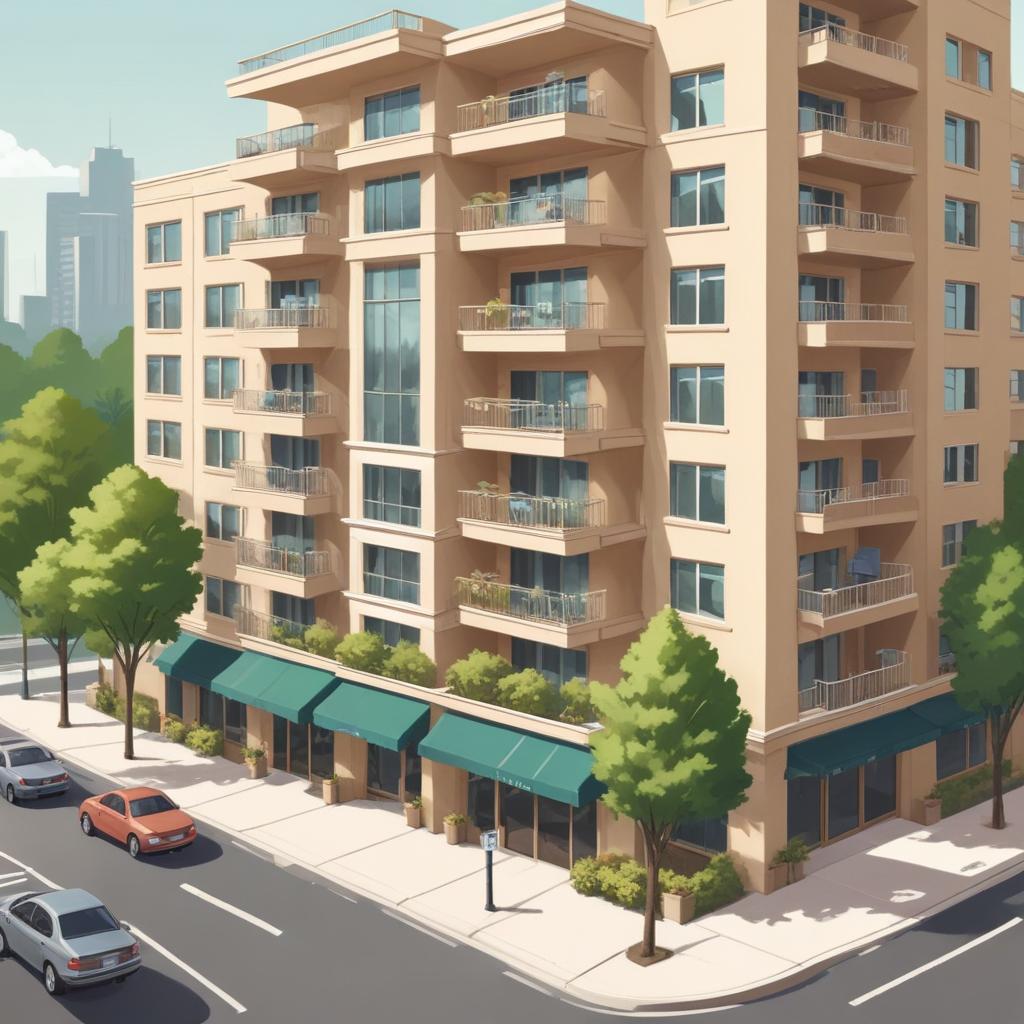
Understanding Extended Stay Hotels
Extended stay hotels are specialized lodging facilities designed to accommodate guests who require long-term lodging, typically for several weeks or even months. Unlike traditional hotels that cater primarily to short-term visitors, these hotels offer a unique blend of hotel services and residential conveniences, providing a comfortable and practical solution for individuals on extended business trips, relocating families, or travelers in transition.
The primary purpose of extended stay hotels is to provide a home-like environment combined with the flexibility and amenities of a hotel. This means guests can enjoy features such as fully equipped kitchens or kitchenettes, laundry facilities, workspaces, and more spacious living areas compared to traditional hotel rooms. These features support self-sufficiency and convenience, which are essential for guests staying for longer durations.
In the hospitality industry, extended stay hotels represent a distinct category that bridges the gap between conventional hotels and alternative lodging like serviced apartments or rental properties. While traditional hotels usually focus on short visits with amenities like daily housekeeping and room service, extended stay hotels prioritize a balance of services tailored for long-term comfort and cost savings. For example, housekeeping might be offered weekly rather than daily, and room designs often resemble studio apartments rather than simple hotel rooms.
Compared to other hotel types, extended stay hotels typically provide more flexible pricing models and amenities that cater to longer visits. This can include discounts for weekly or monthly stays, on-site grocery stores, and social or business lounges for networking and community-building. Additionally, extended stay properties often foster a more residential atmosphere, encouraging guests to settle in and feel at home, which differentiates them further from the transient nature of traditional hotels.
Overall, extended stay hotels play a vital role in the hospitality industry by addressing the growing demand for long-term lodging options. They offer an attractive alternative for those seeking more than just a temporary place to sleep, blending convenience, comfort, and functionality in a way that sets them apart from other hotel types and lodging options.
Definition and Features
Extended stay hotels are uniquely designed accommodations catering to guests who require lodging for longer durations, typically ranging from a week to several months. The core definition of these hotels revolves around providing a comfortable, home-like environment that blends the convenience of hotel services with the flexibility needed for long-term stays. Key features that define extended stay hotels include fully equipped kitchen facilities, which allow guests to prepare their own meals, thereby offering greater control over dining and contributing to a sense of home.
Another hallmark of extended stay hotels is their flexible booking options. Unlike traditional hotels that focus on short-term reservations, these properties accommodate extended durations with scalable pricing and adaptable contract terms, making them ideal for business travelers, relocating families, or individuals in transition. The amenities are thoughtfully chosen to enhance comfort and practicality, often including spacious rooms or suites, laundry facilities, workspaces, and high-speed internet access to support both leisure and professional needs.
The overall atmosphere in extended stay hotels emphasizes a welcoming, residential feel, helping guests settle in and maintain their routines while away from home. This blend of functionality and hospitality is what sets extended stay hotels apart, meeting the unique requirements of long-term visitors by balancing the independence of an apartment with the services of a hotel.
Target Market and Customer Profile
Extended stay hotels primarily cater to business travelers who require accommodation for longer durations than a typical hotel stay. These travelers often include corporate employees on temporary assignments, consultants, and project teams relocating for work. The convenience of having a fully equipped room or suite, which often includes a kitchen and workspace, makes extended stay hotels highly appealing to this target audience. It provides a comfortable, home-like environment that supports productivity and personal comfort during their stay.
Another significant segment of the target market includes individuals and families undergoing relocation. Extended stay hotels offer a flexible housing solution during transitional periods, such as waiting for a new home to be ready or completing work contracts in a new city. This temporary housing option addresses their need for flexibility, affordability, and convenience, often at a lower cost compared to traditional hotels.
Additionally, tourists or visitors requiring longer-term accommodations—such as those on extended vacations or in between permanent housing—also form part of the target audience. The extended stay model attracts these travelers seeking more space, amenities, and the ability to manage their daily lives without the limitations of a standard hotel room.
Overall, the target market for extended stay hotels includes business travelers, relocating individuals, and guests seeking temporary housing for various reasons. Their common motivation lies in the desire for flexible, comfortable, and cost-effective accommodations tailored to longer stays, fulfilling a niche that traditional hotels and rental apartments often cannot efficiently serve.
Business Model and Revenue Streams
The business model of extended stay hotels is designed to cater to guests who require accommodations for longer durations, typically weeks or months, rather than just a few nights. This unique model focuses on providing a blend of hotel convenience and home-like amenities, appealing especially to business travelers, relocating families, and individuals on extended assignments. Extended stay hotels generate revenue through multiple streams, leveraging their ability to offer flexible pricing strategies and comprehensive services.
At the core of the extended stay hotel’s business model is its pricing strategy, which is significantly different from traditional hotels. Unlike nightly rates charged by standard hotels, extended stay hotels often offer discounted weekly or monthly rates. This approach not only attracts guests seeking affordability for longer stays but also helps maintain high occupancy rates over extended periods. The pricing strategies are flexible, allowing hotels to adjust rates based on market demand, seasonality, and length of stay, thereby optimizing extended stay hotel profits.
Revenue streams in extended stay hotels go beyond just room rentals. Many hotels offer ancillary services such as laundry facilities, kitchenette-equipped rooms, in-house dining options, and sometimes even business centers or meeting spaces. These additional services provide supplementary income and enhance guest satisfaction. Moreover, some hotels incorporate subscription-style packages for frequent business travelers, creating steady revenue inflows and customer loyalty.
Cost management is a critical aspect of sustaining profitability in this business model. Extended stay hotels often reduce operational costs by streamlining housekeeping services, offering optional cleaning schedules rather than daily room service. The design of rooms typically includes self-catering amenities, which lowers the need for extensive on-site restaurant operations, thus reducing labor and food costs. Furthermore, leases or property ownership costs are carefully managed through strategic location choices, often near business districts or key transit hubs, balancing accessibility with affordable overhead.
Overall, successful extended stay hotels combine competitive pricing strategies with diversified revenue streams and stringent cost controls. This balance ensures they not only attract a steady flow of long-term guests but also sustain profitability over time. Understanding and efficiently implementing these business model components are essential for maximizing extended stay hotel profits in a competitive hospitality market.
Pricing and Booking Options
Extended stay hotels commonly adopt pricing models designed to attract guests looking for longer accommodations, making monthly rates a standard practice in the industry. These monthly rates typically offer significant discounts compared to nightly rates, encouraging guests to commit to extended stays. This model benefits both the hotel and the guest: hotels secure longer bookings and steady revenue, while guests enjoy cost savings and convenience.
Discounts are often tiered, meaning the longer the stay, the greater the discount. For example, a guest booking for a month might receive a 20% discount, whereas a booking for three months or more could yield an even larger reduction. These incentives not only enhance occupancy but also foster customer loyalty, as travelers appreciate the value provided through these flexible pricing plans.
Flexible booking policies are another crucial aspect of extended stay hotels’ strategies. Unlike traditional hotels, extended stay properties often offer adaptable terms such as easy cancellations, the ability to extend stays without penalty, and occasional monthly rate adjustments based on demand. This flexibility caters to the uncertain plans of long-term travelers, business professionals, or relocating individuals.
Combining competitive pricing models with flexible booking enhances the appeal of extended stay hotels. By structuring pricing around monthly rates with clear discounts and accommodating booking policies, these hotels meet the unique needs of their guests while optimizing occupancy and revenue flow.
Additional Revenue Opportunities
Extended stay hotels can significantly boost profitability by leveraging various ancillary services that cater to the needs of long-term guests. One of the most popular additional income sources is laundry services, which provide convenience and save guests time and effort. Offering on-site laundry options or partnering with local laundromats ensures guests enjoy a hassle-free stay, while the hotel benefits from a steady revenue stream.
Food services, including on-site dining options such as cafes, restaurants, and room service, present another lucrative opportunity. Providing diverse meal options tailored to the preferences of extended stay guests enhances their overall experience, encourages longer stays, and increases food and beverage sales. Many extended stay hotels also incorporate grab-and-go selections or small grocery markets to address daily needs, expanding ancillary revenue further.
Beyond laundry and food services, hotels can offer an array of amenities that create additional income channels. Facilities such as fitness centers, business lounges, and conference rooms appeal to both business and leisure travelers, driving usage fees. Other revenue-generating amenities may include premium Wi-Fi, parking fees, pet care services, and concierge offerings. By integrating these services seamlessly, hotels can enrich guest satisfaction while maximizing profitability through diversified ancillary services.
Challenges and Growth Opportunities
The extended stay hotels industry faces a unique set of challenges that require strategic navigation to maintain competitiveness and foster growth. One of the primary industry challenges is adapting to fluctuating demand patterns influenced by economic cycles and shifting travel behaviors. Unlike traditional hotels, extended stay facilities must balance long-term guest needs with efficient operational costs, which can be difficult amidst unpredictable occupancy rates. Additionally, increased competition from alternative lodging options such as short-term rentals and serviced apartments intensifies pressure on pricing and service differentiation.
Market trends reveal a growing preference for flexible, home-like accommodations among travelers, driven by the rise in remote work and extended business trips. This shift creates incremental opportunities for extended stay hotels to target remote workers and long-term business travelers by enhancing amenities like kitchenettes, workspaces, and high-speed internet. However, capitalizing on these trends requires hotels to invest thoughtfully in facility upgrades and personalized guest experiences, which can be resource-intensive but essential for differentiation in a competitive landscape.
Growth strategies in the extended stay sector often focus on expanding geographical presence in key markets with high demand for longer-term accommodations. Targeting secondary cities and emerging business hubs offers untapped potential as traditional travel centers become saturated. Furthermore, adopting technology-driven solutions such as streamlined booking platforms and mobile guest services helps improve operational efficiency and customer satisfaction. Strategic partnerships with relocation services and corporate clients also provide consistent occupancy streams, reducing vulnerability to market fluctuations.
Despite competition presenting a significant hurdle, it also spurs innovation within the industry. Differentiating through unique service offerings, loyalty programs, and tailored local experiences can attract and retain guests. Moreover, sustainability initiatives and wellness-focused amenities resonate with modern travelers and open new segments for growth. In summary, while extended stay hotels face considerable industry challenges, leveraging market trends and developing robust growth strategies can transform these obstacles into meaningful opportunities within the evolving hospitality sector.
Market Competition and Differentiation
Extended stay hotels face strong competition not only from traditional hotels but also from alternative lodging options such as vacation rentals and serviced apartments. To maintain a competitive edge, these hotels must focus on clear market positioning that highlights their unique selling points. Unlike traditional hotels that emphasize short-term comfort and amenities, extended stay hotels cater to guests seeking longer-term accommodations with home-like conveniences such as kitchenettes, laundry facilities, and flexible leasing options.
Branding plays a crucial role in differentiating extended stay hotels. Successful brands communicate reliability, convenience, and cost-effectiveness, creating a distinct identity in a crowded market. They also emphasize personalized services and community engagement, which build customer loyalty and trust. By highlighting unique features that alternative lodging options may lack, such as consistent service quality and hotel-grade security, extended stay hotels can better attract business travelers, relocating professionals, and families.
Moreover, innovation in guest experience — including digital check-ins, customized packages, and loyalty programs — further enhances their competitive position. Extended stay hotels that invest in these differentiators not only attract a more focused clientele but also amplify their brand value, setting themselves apart in the evolving lodging landscape. By continuously adapting to guest needs and market trends, they can maintain sustainable growth despite the fierce competition.
Impact of Technology and Innovation
Technology plays a pivotal role in shaping the operations, marketing, and guest experience in the extended stay hotel business. Automation systems streamline daily operations such as check-ins, housekeeping schedules, and billing processes, allowing hotels to operate more efficiently and reduce human error. This leads to faster service delivery and improved operational cost management.
In marketing, digital bookings have revolutionized how extended stay hotels attract and retain customers. Through online platforms and mobile apps, guests can easily browse availability, compare rates, and make reservations anytime and anywhere. This convenience boosts booking rates and enhances customer satisfaction by offering flexible and user-friendly options.
Moreover, technology enhances the overall customer experience by integrating smart room features, personalized services, and real-time communication with staff. Guests can control lighting, temperature, and entertainment systems via mobile devices, creating a more comfortable and tailored stay. Additionally, digital feedback systems allow hotels to quickly address concerns and improve services.
Overall, embracing technology and innovation enables extended stay hotels to stay competitive, deliver superior customer experiences, and streamline their operations efficiently, making them more attractive to modern travelers who value convenience and customization.

I love spotting the intersection between business strategy and travel experiences. When I’m not planning my next trip, I enjoy writing about how entrepreneurs can turn journeys into growth opportunities.