Preparing for Negotiation Trips Abroad
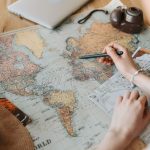
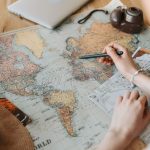
Successful negotiation trips abroad require thorough negotiation preparation and effective travel planning. To ensure productive international meetings, it’s essential to approach your business travel with a strategic mindset, focusing on research, cultural awareness, and precise itinerary planning. These steps not only help you communicate effectively but also build stronger business relationships.
- Conduct In-Depth Research: Before embarking on your journey, gather comprehensive information about your negotiation counterparts, the industry landscape, and the economic environment of the host country. Understanding the background and interests of the other party will enable you to tailor your negotiation strategy effectively. Research local market trends and competitor activities to anticipate potential challenges and opportunities during your international meetings.
- Develop Cultural Awareness: Cultures differ significantly around the world, impacting communication styles, decision-making, and negotiation etiquette. Educate yourself about the customs, traditions, and social norms of the country you are visiting. For instance, some cultures value indirect communication and relationship-building before discussing business, while others prefer direct and prompt negotiations. Respecting these cultural nuances will help you build trust and avoid misunderstandings during your face-to-face discussions.
- Create a Detailed Itinerary: Efficient travel planning is key to maximizing your time abroad. Prepare a clear schedule that includes meeting times, locations, and transportation details, allowing for adequate rest and contingency plans. Factor in time zone differences to prevent fatigue and ensure punctuality. Include buffer times between appointments to accommodate any delays or extended discussions, ensuring a smooth flow between your business engagements.
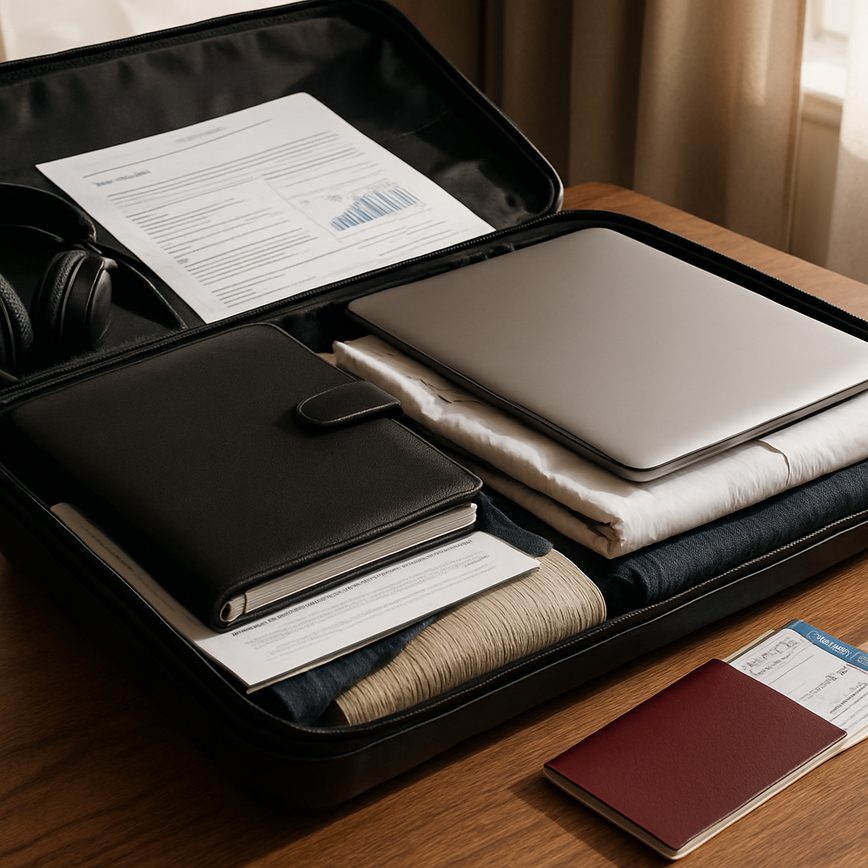
- Prepare Negotiation Materials: Organize all necessary documents, presentations, and data ahead of time. Make sure your materials are culturally appropriate and translated if needed. Having well-prepared resources boosts your confidence and demonstrates professionalism, which is important for successful negotiations in an international business setting.
- Plan for Communication and Technology: Reliable communication tools are essential for coordinating during your trip. Ensure you have access to mobile data, international calling options, and backup devices to stay connected with your team and partners. Troubleshooting potential technical issues before departure will prevent disruptions during critical negotiation phases.
By following these essential steps of negotiation preparation—including thorough research, embracing cultural awareness, and meticulous travel planning—you will enhance your effectiveness in international meetings and business travel. This holistic approach enables you to navigate the complexities of global negotiations with confidence and professionalism.
Researching the Destination and Market
Before embarking on any negotiation trips abroad, thorough market research and destination analysis are crucial to ensure success. Begin by understanding the destination’s business culture, as this knowledge helps you navigate cultural nuances that could impact communication and negotiation styles. Different countries have varying approaches to business etiquette, decision-making processes, and relationship-building, all of which should be respected and anticipated.
Equally important is gaining insight into the economic landscape of the destination. Familiarize yourself with key economic indicators, industry trends, and market conditions that could influence your negotiations. Understanding the local business environment helps in identifying opportunities and potential risks, allowing you to tailor your strategy accordingly.
Utilize a variety of resources to gather this information, including government trade publications, market research reports, and expert consultations. Local chambers of commerce and trade associations can offer valuable, up-to-date insights. Additionally, online forums and social media platforms may provide real-time perspectives on the cultural and business climate.
Investing time in this upfront research equips you with a comprehensive view of the destination’s market and cultural environment. This preparation not only boosts your confidence but also enhances your ability to engage effectively, tailor your proposals, and build stronger business relationships abroad.
Setting Clear Objectives and Goals
Defining clear negotiation goals is essential for ensuring the success of any business trip abroad. When you establish specific business objectives before embarking on your journey, you create a focused roadmap that guides every interaction and decision during the negotiations. These well-defined targets enable you to prioritize key areas of discussion, streamline communication, and maintain alignment with your overall strategic planning.
Without clear objectives, it can be challenging to measure the effectiveness of your efforts or determine whether the trip has met its intended purpose. By setting measurable negotiation goals, you create benchmarks that allow you to evaluate progress and outcomes effectively. This approach not only helps in meeting targets but also in identifying areas that may require adjustment in real-time or future planning.
Strategic planning plays a pivotal role in this process, as it ensures that your negotiation objectives are aligned with the broader goals of your organization. Establishing clear targets fosters confidence among your team and stakeholders, providing a shared understanding of success criteria and enhancing overall coordination. Ultimately, having well-defined negotiation goals ensures that every aspect of the trip contributes to achieving meaningful and tangible business results.
Effective Strategies During Negotiation Trips
When embarking on negotiation trips abroad, adopting effective negotiation tactics is essential to ensure successful business negotiation outcomes. These strategies help bridge cultural gaps, foster trust, and create an environment conducive to mutually beneficial agreements.
First, mastering cross-cultural communication is paramount. Different cultures have unique ways of expressing agreement, disagreement, and interest. Understanding subtle non-verbal cues, using appropriate language, and showing respect for local customs can significantly enhance rapport with counterparts. Preparing ahead by researching cultural norms and business etiquette will avoid missteps and build strong connections.
Building rapport early in the negotiation process can set a positive tone for discussions. Engage in small talk beyond business topics to establish goodwill, which often opens doors for more candid conversations later. Demonstrating genuine interest in the other party’s culture and values creates a foundation of trust, easing the negotiation process.
Effective negotiation tactics also involve active listening and flexibility. Paying close attention to verbal and non-verbal signals allows negotiators to identify underlying interests and adapt strategies accordingly. Being willing to find creative solutions shows respect for both parties’ goals and increases the likelihood of reaching a favorable outcome.
Travel strategies tailored to negotiation trips contribute to success as well. Arriving well-rested and allowing time to acclimate to time zones and local customs minimize fatigue and culture shock, which can adversely affect decision-making. Scheduling meetings at optimal times and preparing all necessary materials in advance ensures smooth, focused discussions.
Finally, documenting agreements clearly and confirming mutual understanding before concluding meetings prevent misunderstandings down the road. Providing written summaries in both languages, if applicable, reinforces clarity and professionalism.
In summary, integrating these proven strategies—cultivating cultural awareness, building rapport, employing adaptive negotiation tactics, and implementing thoughtful travel preparations—will enhance communication and help achieve successful negotiation results during business trips abroad.
Adapting Communication Styles Across Cultures
Successful negotiation trips abroad require a keen understanding of cross-cultural communication to bridge differences and foster mutual respect. One essential aspect is recognizing that negotiation style varies widely across cultures. Some cultures favor direct and straightforward dialogue, while others prefer a more indirect, harmonious way of exchanging ideas. Adjusting your communication style to fit the cultural context can greatly enhance clarity and prevent misunderstandings.
Cultural sensitivity plays a crucial role in this adjustment. Being aware of and respecting local customs, gestures, and communication etiquettes helps build trust and rapport. For example, in some cultures, maintaining eye contact is seen as confidence, whereas in others it might be considered rude. Understanding these nuances allows negotiators to convey their messages effectively while showing respect for their counterparts.
Moreover, adhering to appropriate business etiquette demonstrates professionalism and fosters a positive negotiating atmosphere. This includes attentiveness to tone, formality, and even the timing of discussions. By tailoring communication methods to the specific cultural environment, negotiators can avoid unintended offenses and create a collaborative space for reaching agreements.
In sum, adapting communication styles by integrating cross-cultural communication principles, recognizing diverse negotiation styles, practicing cultural sensitivity, and respecting business etiquette is essential for clarity and respect during international negotiations.
Building Relationships and Trust
Building strong professional relationships and trust in negotiations during international trips is essential for successful outcomes. One effective technique is investing time in networking abroad before formal discussions begin. This allows for a natural rapport to be established, making future negotiations smoother and more collaborative. Engaging in informal settings, such as shared meals or cultural events, helps break down barriers and fosters a genuine connection with international partners.
Trust in negotiations is often built through consistent communication and demonstrating reliability. Follow through on promises, be transparent about intentions, and show respect for cultural differences, which conveys integrity and builds confidence. It is also beneficial to learn about your partners’ business practices and social customs, as this shows a commitment to understanding their perspective and creates a foundation of mutual respect.
Effective relationship building extends beyond the immediate business agenda. Taking interest in your partners as individuals and maintaining ongoing contact after the trip can transform transactional meetings into enduring business relationships. In sum, prioritizing trust and relationship building during negotiation trips abroad not only enhances the immediate deal but also paves the way for long-term success and collaboration.
Post-Trip Follow-Up and Evaluation
After returning from a negotiation trip abroad, effective negotiation follow-up is crucial to solidify agreements and foster long-term business relationships. Promptly reaching out to contacts made during the trip with personalized messages or thank-you notes demonstrates professionalism and genuine interest in maintaining the partnership. This initial follow-up sets the tone for future interactions and can help clarify any outstanding points from the negotiations, ensuring that all parties have a shared understanding moving forward.
One of the best practices for successful follow-up is to organize all collected documents, business cards, and notes taken during the meetings. This information should be reviewed systematically to create a clear action plan that addresses next steps agreed upon during the trip. Utilizing a CRM or tracking system helps in managing these contacts efficiently and ensures timely communication, which is essential for relationship maintenance and nurturing trust over time.
Equally important is conducting a thorough business trip evaluation shortly after returning. Assess the overall outcomes against the original objectives set before the trip, such as agreements reached, potential leads generated, or insights gained about market conditions. Reflecting on what strategies worked well and what could be improved is key to optimizing future negotiation trips. This evaluation should involve feedback from all team members who participated, offering diverse perspectives on the trip’s effectiveness and challenges encountered.
Documenting lessons learned during the post-trip phase helps organizations build a knowledge base that supports more successful negotiations in the future. Decisions on follow-up actions should be clearly assigned to responsible individuals with deadlines to maintain momentum. This structured approach increases the likelihood of converting initial discussions into tangible business results.
Ultimately, diligent negotiation follow-up and comprehensive post-trip evaluation are cornerstone practices for achieving successful outcomes in international business negotiations. They not only reinforce the relationships forged but also contribute to continuous improvement of negotiation techniques and business strategies, empowering companies to thrive in a global marketplace.
Effective Communication After the Trip
Maintaining momentum after a negotiation trip abroad is crucial to turning initial contacts into successful business relationships. Efficient post-trip communication ensures that the connections made during the journey are nurtured and developed over time. Start by promptly engaging in client follow-up, which demonstrates professionalism and genuine interest in fostering collaboration. Tailor your business correspondence to be clear, concise, and personalized, referencing specific details from meetings to reinforce rapport and trust.
Feedback is another vital element in post-trip communication. Seeking and providing feedback helps to clarify expectations, address any concerns, and improve future interactions. It also shows your commitment to continuous improvement and client satisfaction. Utilize various communication channels such as emails, phone calls, or video conferences to fit the preferences of your contacts, ensuring that your message is received and valued.
Keeping an organized follow-up schedule can help maintain consistent communication without overwhelming your clients. Setting reminders for follow-ups and tracking responses will allow you to stay on top of your networking efforts and ensure no potential opportunity slips through the cracks. By prioritizing effective post-trip communication, you solidify relationships, build trust, and pave the way for successful business outcomes in the future.
Evaluating Success and Improving Future Trips
To effectively evaluate a negotiation trip abroad, it is essential to implement a structured trip evaluation process. Start by conducting a comprehensive performance review, which involves assessing whether the objectives set before the trip were met and analyzing the outcomes of each negotiation. Gathering business negotiation feedback from all participants, including team members, local partners, and clients, provides valuable insights into what worked well and what didn’t.
Another method is to compare the planned goals with the actual results, identifying discrepancies and understanding the reasons behind them. This can highlight both strengths and weaknesses in negotiation tactics, cultural preparedness, and logistical arrangements. Documenting these findings allows for continuous improvement by creating a knowledge base that informs future trips.
Additionally, incorporating self-assessment tools such as reflection journals or debrief meetings encourages honest evaluation among team members. This participatory approach enhances learning and ensures that improvement strategies are team-inclusive. Evaluating travel expenses and time management also contributes to optimizing budget planning and scheduling for upcoming trips.
Overall, the combination of quantitative results and qualitative business negotiation feedback fosters a robust trip evaluation method. By consistently reviewing performance and learning from each experience, organizations can refine their negotiation strategies and logistical planning, leading to more successful outcomes in future international business travels.

I love spotting the intersection between business strategy and travel experiences. When I’m not planning my next trip, I enjoy writing about how entrepreneurs can turn journeys into growth opportunities.