hartmainstreet.org » Blog » Cultural etiquette business travel

Cultural etiquette business travel

Business cards are exchanged with the right hand or both hands, and it is courteous to study the card before putting it away. Avoid discussing religion or politics, and be mindful of differing customs between countries in the region. Hospitality is a key part of business protocols; accepting offers of tea or coffee fosters goodwill.

Understanding and respecting these Middle East business etiquette rules and Arab culture nuances will enhance your professional relationships and show cultural sensitivity, which is crucial in this region.

Dress conservatively and modestly, as appearance reflects professionalism and respect for the culture. Men typically wear suits, while women should avoid overly revealing clothing. Punctuality is appreciated but meetings may start later than scheduled, so patience is important.

Business cards are exchanged with the right hand or both hands, and it is courteous to study the card before putting it away. Avoid discussing religion or politics, and be mindful of differing customs between countries in the region. Hospitality is a key part of business protocols; accepting offers of tea or coffee fosters goodwill.

Understanding and respecting these Middle East business etiquette rules and Arab culture nuances will enhance your professional relationships and show cultural sensitivity, which is crucial in this region.

Dress conservatively and modestly, as appearance reflects professionalism and respect for the culture. Men typically wear suits, while women should avoid overly revealing clothing. Punctuality is appreciated but meetings may start later than scheduled, so patience is important.

Business cards are exchanged with the right hand or both hands, and it is courteous to study the card before putting it away. Avoid discussing religion or politics, and be mindful of differing customs between countries in the region. Hospitality is a key part of business protocols; accepting offers of tea or coffee fosters goodwill.

Understanding and respecting these Middle East business etiquette rules and Arab culture nuances will enhance your professional relationships and show cultural sensitivity, which is crucial in this region.

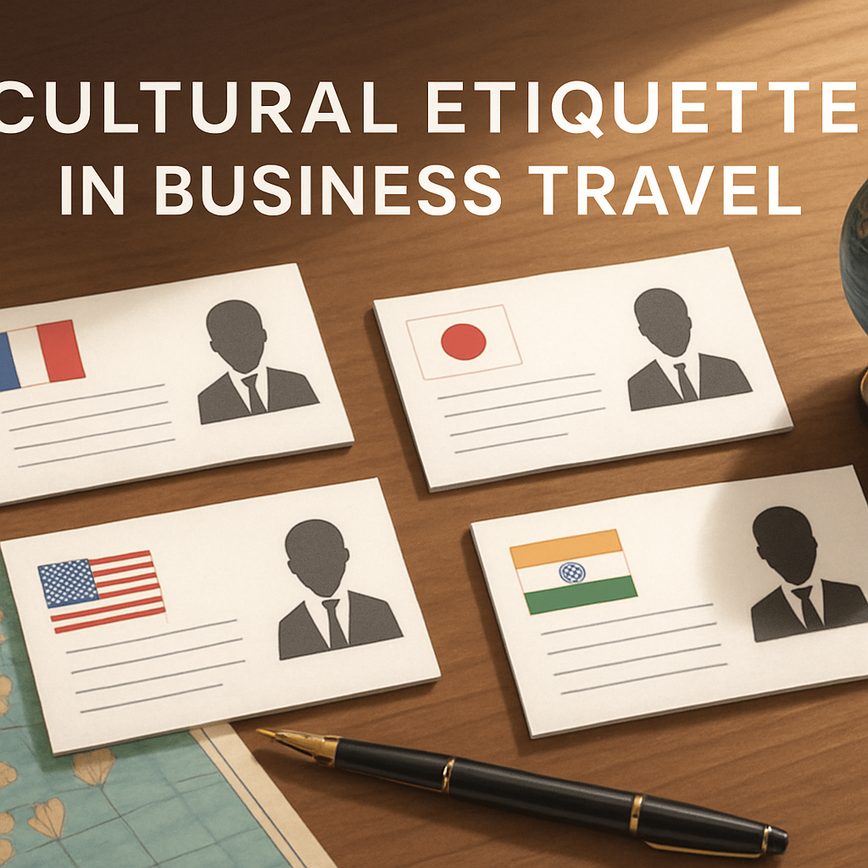
Understanding Cultural Etiquette in Business Travel

Cultural etiquette plays a crucial role in the realm of business travel, especially in today’s globalized economy. When professionals travel abroad to engage in business activities, they are not merely representing their companies but also their cultures. Understanding and respecting cultural etiquette can significantly enhance the effectiveness of business interactions, making it an indispensable part of cross-cultural communication.

One of the primary reasons cultural etiquette matters in business travel is that it reflects respect for the host country’s traditions and values. Local customs often dictate social behaviors, communication styles, and business protocols, all of which can vary widely between cultures. For example, in some countries, punctuality is a sign of professionalism, whereas in others, building personal relationships before discussing business is prioritized. Awareness of these nuances prevents misunderstandings and helps create a positive and respectful atmosphere, which is essential for successful negotiations and collaborations.

Furthermore, understanding cultural etiquette directly impacts business relationships by fostering trust and rapport. When travelers demonstrate cultural awareness, it shows that they are considerate and open-minded, qualities that are highly valued in international dealings. This can lead to smoother communication, fewer conflicts, and ultimately, stronger partnerships. Ignoring or misinterpreting local customs, on the other hand, can lead to unintended offense, jeopardizing deals and damaging reputations.

In addition, cultural etiquette influences everyday interactions such as greetings, gift-giving, dining etiquette, and even body language. Mastery of these elements signals professionalism and adaptability, which can set business travelers apart in competitive environments. As global business becomes increasingly interconnected, the ability to navigate diverse cultural landscapes seamlessly is a powerful asset.

In summary, cultural etiquette is more than just a set of rules to follow—it is a gateway to effective cross-cultural communication and successful business travel. By investing time in learning about local customs and demonstrating cultural sensitivity, business travelers can build meaningful relationships, avoid costly misunderstandings, and open doors to new opportunities worldwide.

Common Etiquette Practices Across Cultures

Understanding common etiquette practices is vital for successful international business interactions. Despite cultural differences, several universal business manners form the foundation of respectful communication worldwide. Greetings, for instance, vary but always set the tone—handshakes are typical in many Western cultures, while bows may be customary in East Asia. It’s important to observe and mirror the local style to show respect.

Dress codes also play a critical role in business settings, reflecting professionalism and cultural expectations. In many countries, formal attire such as suits and ties remains standard, though some cultures may emphasize modesty or specific colors linked to occasions or symbolism. Adapting your wardrobe to local norms helps convey respect and understanding.

Gift-giving is another common etiquette practice but varies widely; in some cultures, it strengthens relationships and signifies appreciation, while in others it may require careful selection and presentation to avoid misunderstandings. Knowing whether to give a gift, and what type of gift is appropriate, is essential to maintaining positive business relationships.

Punctuality is generally valued across cultures, though interpretations of time can differ. In many Western countries, strict adherence to schedules is a sign of professionalism, while other cultures may have a more flexible approach. Understanding these nuances helps navigate meetings and appointments effectively, demonstrating respect for others’ time.

Risks of Ignoring Cultural Norms

Business travelers who overlook or disregard cultural risks often find themselves committing unintentional business faux pas that can severely damage professional relationships. For example, failing to understand local customs regarding greetings, gift-giving, or negotiation etiquette can create awkward or even offensive situations. These missteps can lead to a loss of trust and respect, both essential elements in international diplomacy and successful business dealings.

Ignoring cultural norms not only reflects poorly on an individual but can also negatively impact the reputation of the entire organization they represent. Business faux pas such as inappropriate dress, punctuality issues, or disrespecting hierarchical structures may cause partners to question the professionalism and sensitivity of the visitor. This can close doors to potential collaborations and damage long-term relationships that are often vital in global markets.

Furthermore, some cultural mistakes can escalate beyond a business context, causing diplomatic tensions that affect broader international relations. Recognizing and respecting cultural differences is crucial to navigating these complexities. Being culturally aware minimizes risks, fosters mutual respect, and opens pathways for effective communication and cooperation in the global business arena.

Practical Tips for Navigating Cultural Etiquette

When traveling for business, understanding and respecting cultural etiquette is essential for building strong professional relationships. Here are some practical tips to help you adapt and engage respectfully with local business cultures, ensuring your interactions are positive and effective.

First and foremost, invest time in researching the cultural norms of the country you’ll be visiting. This includes learning about greeting styles, gift-giving customs, and appropriate dress codes. Showing cultural sensitivity through such preparation demonstrates respect and openness, creating a favorable impression.

Pay close attention to communication styles. In some cultures, directness is appreciated, while in others, a more indirect or polite approach is expected. Listening carefully and observing how locals converse will guide you in adjusting your tone and body language accordingly. Avoid interrupting, and be mindful of nonverbal cues such as eye contact and gestures, which carry different meanings across cultures.

Tardiness can be a sensitive issue in many business environments. Understand the local perspective on punctuality—some cultures value strict adherence to schedules, while others perceive time more flexibly. Arriving on time or slightly early is usually a safe strategy, but always confirm what is customary to respect your counterparts’ expectations.

Networking and relationship building are crucial elements of business travel. Engage in small talk and show genuine interest in your hosts’ culture and experiences. This approach fosters trust and goodwill. Remember to maintain professionalism while being warm and approachable to strike the right balance.

Lastly, when in doubt, ask. Politely seeking guidance about customs or acceptable behaviors reflects your commitment to cultural sensitivity and often is appreciated by local colleagues. This proactive approach prevents misunderstandings and helps you navigate unfamiliar settings with confidence.

By applying these practical tips and embracing cultural sensitivity, you enhance your business travel experience and pave the way for successful international collaborations.

Researching Before You Travel

Effective pre-trip research is essential for successful cultural preparation when traveling abroad for business. Understanding cultural norms and business customs not only shows respect to your hosts but also facilitates smoother interactions and negotiations. Begin by gathering information about social etiquette, communication styles, and common business practices specific to the country you will visit. Reliable sources include government travel advisories, reputable travel websites, and cultural guides dedicated to business travelers.

Another valuable method is to connect with professionals who have experience in the target country. They can offer firsthand insights and practical tips that are not always found in published resources. Additionally, learning basic greetings and polite phrases in the local language demonstrates effort and cultural sensitivity, which can positively influence business relationships. Be mindful of gestures, dress codes, and dining etiquette, as these often vary widely and can impact how you are perceived.

Thorough pre-trip research helps reduce the risk of misunderstandings and shows that you value the customs of your business partners. Allocating time for this cultural preparation before your departure boosts your confidence and prepares you to navigate business settings effectively. Ultimately, being well-informed about local business customs can open doors to stronger partnerships and greater success during your international business travel.

Communication and Body Language

Understanding local nonverbal communication is essential for successful business communication while traveling. Nonverbal cues such as gestures, facial expressions, and body posture can vary greatly from one culture to another, and misinterpreting these signals may lead to misunderstandings or even offense. Being culturally sensitive means learning to recognize and adapt to these differences, which helps foster respect and trust in professional interactions.

For instance, a gesture that is positive or neutral in one country might be considered rude or inappropriate in another. Similarly, the acceptable personal space during conversations or the meaning of eye contact can differ widely across cultures. Paying close attention to these subtle signals allows business travelers to communicate more effectively and avoid potential pitfalls.

Moreover, cultural sensitivity in nonverbal communication goes beyond just avoiding negative impressions. It also shows respect for the host culture, enhancing the overall business relationship. Mastery of these skills not only prevents misunderstandings but also demonstrates professionalism and openness, which are highly valued in international business contexts.

Adapting to Meeting Etiquette

Understanding and adapting to diverse meeting etiquette is essential for successful business meetings in a global context. Each culture has its unique approach to meeting formats, protocols, and behaviors, which can significantly impact the outcome. To navigate this effectively, start by researching the cultural norms of your business counterparts to align with their expectations.

In some cultures, meetings follow a strict agenda and time schedule, emphasizing punctuality and efficiency. In others, meetings may be more fluid, with flexible timeframes and an emphasis on relationship-building before diving into business. Being aware of these differences allows you to adjust your approach, such as arriving on time or allowing for small talk and informal interaction.

Protocols such as seating arrangements, speaking order, and decision-making processes can also vary. For example, hierarchical cultures might require deference to senior members, while others encourage open dialogue among all participants. Observing and adapting to these behaviors shows respect and facilitates smoother communication.

Ultimately, cultural adaptation in meeting etiquette enhances professionalism and fosters trust among international partners. By being flexible and attentive to different meeting customs, you can ensure your business meetings are effective and culturally appropriate, leading to stronger global collaborations.

Country-Specific Cultural Business Etiquette Insights

Understanding country-specific business etiquette is essential for successful international business interactions. Different cultures have unique customs and expectations that can significantly influence business relationships, and being aware of these nuances will prepare travelers to navigate these environments with confidence and respect.

In Japan, business etiquette revolves around respect and formality. It is customary to exchange business cards with both hands, and cards should be treated with great care, never placed in a pocket or written on in front of the person who gave it. Bowing is a common greeting, with the depth of the bow indicating the level of respect. Silence is valued during conversations, and interruptions are considered impolite. Punctuality is critical, as being late can be seen as disrespectful.

When conducting business in Germany, precision and clarity are highly regarded. Germans appreciate direct communication and value punctuality. Meetings often start with a firm handshake and formal introductions using titles and last names unless invited to use first names. It is important to come well-prepared with detailed information and to expect thorough discussions and fact-based decisions. Small talk is generally brief but polite.

In contrast, business etiquette in Brazil is more relaxed yet relationship-focused. Personal connections are fundamental, and small talk about family and life is common before diving into business topics. Physical touch such as a pat on the back or a handshake may accompany greetings. Time can be perceived more flexibly, so meetings may not start promptly. Building trust and rapport takes precedence, and showing enthusiasm and warmth is welcomed.

In the Middle East, such as in the United Arab Emirates, hospitality and respect for hierarchy are crucial. Business cards should also be exchanged with the right hand or both hands, and it is polite to accept offerings of coffee or dates. Building a personal relationship and trust before discussing business is common. Negotiations can be lengthy and require patience, and it is essential to show respect towards senior figures in the company.

These examples illustrate the importance of understanding country-specific business etiquette to successfully engage with international cultures. Recognizing these cultural differences and adapting your approach will not only prevent misunderstandings but also foster stronger, more respectful business relationships across global markets.

Business Etiquette in East Asia

When engaging in East Asia business, understanding local customs is essential for success. In China, etiquette revolves around respect and hierarchy. Business cards should be presented with both hands and received with care, reflecting respect for the other party. It is customary to address the most senior person first, and building a personal relationship before discussing business is important.

Japan business customs emphasize politeness and formality. Bowing is a common greeting, with deeper bows showing greater respect. Silence during meetings is valued, allowing thoughtful consideration. It is important to exchange business cards using both hands, and cards should be studied respectfully before putting them away carefully. Punctuality is highly regarded in all business interactions.

South Korea similarly places high importance on hierarchy and respect. Addressing people by their titles and family names is standard practice. Business cards should be exchanged with both hands and treated with respect. Gift-giving is often part of Korean business custom, symbolizing goodwill and trust. Additionally, making efforts to learn a few phrases in Korean can help establish rapport and demonstrate respect for the culture.

Overall, East Asia business travelers must prioritize politeness, respect for hierarchy, and thoughtful communication to build strong relationships in China, Japan, and South Korea. Understanding these cultural nuances will help navigate diverse business settings effectively.

Business Etiquette in Europe

When conducting business in Europe, understanding cultural etiquette is essential to establishing strong professional relationships. In Germany, punctuality is highly valued, and meetings typically start and end on time. Business attire tends to be formal, and direct communication is appreciated, reflecting a straightforward and efficient approach to negotiations.

French business customs place great importance on formality and hierarchy. Using formal titles and polite greetings, such as “Monsieur” or “Madame,” is expected. Conversations may begin with small talk, but it’s important to avoid rushing into business matters too quickly. Demonstrating respect for tradition and the French language can greatly enhance trust and rapport.

In the UK, business etiquette emphasizes politeness and understatement. Building relationships through cordial conversation and a bit of humor can be beneficial. British professionals often favor indirect communication, so reading between the lines is crucial. Punctuality and dressing conservatively reflect respect and professionalism in the European business environment.

Overall, Europe business settings reward preparation and cultural awareness. Observing unique customs, from Germany’s efficiency to France’s formality and the UK’s courteous nature, will pave the way for successful international collaborations.

Business Etiquette in the Middle East

When engaging in Middle East business, understanding Arab culture and business protocols is essential for successful interactions. First, personal relationships and trust are highly valued, so take time to build rapport before diving into business discussions. Greetings often involve a firm handshake and sometimes a slight bow or touch to the heart to show respect.

Dress conservatively and modestly, as appearance reflects professionalism and respect for the culture. Men typically wear suits, while women should avoid overly revealing clothing. Punctuality is appreciated but meetings may start later than scheduled, so patience is important.

Business cards are exchanged with the right hand or both hands, and it is courteous to study the card before putting it away. Avoid discussing religion or politics, and be mindful of differing customs between countries in the region. Hospitality is a key part of business protocols; accepting offers of tea or coffee fosters goodwill.

Understanding and respecting these Middle East business etiquette rules and Arab culture nuances will enhance your professional relationships and show cultural sensitivity, which is crucial in this region.

Dress conservatively and modestly, as appearance reflects professionalism and respect for the culture. Men typically wear suits, while women should avoid overly revealing clothing. Punctuality is appreciated but meetings may start later than scheduled, so patience is important.

Business cards are exchanged with the right hand or both hands, and it is courteous to study the card before putting it away. Avoid discussing religion or politics, and be mindful of differing customs between countries in the region. Hospitality is a key part of business protocols; accepting offers of tea or coffee fosters goodwill.

Understanding and respecting these Middle East business etiquette rules and Arab culture nuances will enhance your professional relationships and show cultural sensitivity, which is crucial in this region.

Understanding Cultural Etiquette in Business Travel

Cultural etiquette plays a crucial role in the realm of business travel, especially in today’s globalized economy. When professionals travel abroad to engage in business activities, they are not merely representing their companies but also their cultures. Understanding and respecting cultural etiquette can significantly enhance the effectiveness of business interactions, making it an indispensable part of cross-cultural communication.

One of the primary reasons cultural etiquette matters in business travel is that it reflects respect for the host country’s traditions and values. Local customs often dictate social behaviors, communication styles, and business protocols, all of which can vary widely between cultures. For example, in some countries, punctuality is a sign of professionalism, whereas in others, building personal relationships before discussing business is prioritized. Awareness of these nuances prevents misunderstandings and helps create a positive and respectful atmosphere, which is essential for successful negotiations and collaborations.

Furthermore, understanding cultural etiquette directly impacts business relationships by fostering trust and rapport. When travelers demonstrate cultural awareness, it shows that they are considerate and open-minded, qualities that are highly valued in international dealings. This can lead to smoother communication, fewer conflicts, and ultimately, stronger partnerships. Ignoring or misinterpreting local customs, on the other hand, can lead to unintended offense, jeopardizing deals and damaging reputations.

In addition, cultural etiquette influences everyday interactions such as greetings, gift-giving, dining etiquette, and even body language. Mastery of these elements signals professionalism and adaptability, which can set business travelers apart in competitive environments. As global business becomes increasingly interconnected, the ability to navigate diverse cultural landscapes seamlessly is a powerful asset.

In summary, cultural etiquette is more than just a set of rules to follow—it is a gateway to effective cross-cultural communication and successful business travel. By investing time in learning about local customs and demonstrating cultural sensitivity, business travelers can build meaningful relationships, avoid costly misunderstandings, and open doors to new opportunities worldwide.

Common Etiquette Practices Across Cultures

Understanding common etiquette practices is vital for successful international business interactions. Despite cultural differences, several universal business manners form the foundation of respectful communication worldwide. Greetings, for instance, vary but always set the tone—handshakes are typical in many Western cultures, while bows may be customary in East Asia. It’s important to observe and mirror the local style to show respect.

Dress codes also play a critical role in business settings, reflecting professionalism and cultural expectations. In many countries, formal attire such as suits and ties remains standard, though some cultures may emphasize modesty or specific colors linked to occasions or symbolism. Adapting your wardrobe to local norms helps convey respect and understanding.

Gift-giving is another common etiquette practice but varies widely; in some cultures, it strengthens relationships and signifies appreciation, while in others it may require careful selection and presentation to avoid misunderstandings. Knowing whether to give a gift, and what type of gift is appropriate, is essential to maintaining positive business relationships.

Punctuality is generally valued across cultures, though interpretations of time can differ. In many Western countries, strict adherence to schedules is a sign of professionalism, while other cultures may have a more flexible approach. Understanding these nuances helps navigate meetings and appointments effectively, demonstrating respect for others’ time.

Risks of Ignoring Cultural Norms

Business travelers who overlook or disregard cultural risks often find themselves committing unintentional business faux pas that can severely damage professional relationships. For example, failing to understand local customs regarding greetings, gift-giving, or negotiation etiquette can create awkward or even offensive situations. These missteps can lead to a loss of trust and respect, both essential elements in international diplomacy and successful business dealings.

Ignoring cultural norms not only reflects poorly on an individual but can also negatively impact the reputation of the entire organization they represent. Business faux pas such as inappropriate dress, punctuality issues, or disrespecting hierarchical structures may cause partners to question the professionalism and sensitivity of the visitor. This can close doors to potential collaborations and damage long-term relationships that are often vital in global markets.

Furthermore, some cultural mistakes can escalate beyond a business context, causing diplomatic tensions that affect broader international relations. Recognizing and respecting cultural differences is crucial to navigating these complexities. Being culturally aware minimizes risks, fosters mutual respect, and opens pathways for effective communication and cooperation in the global business arena.

Practical Tips for Navigating Cultural Etiquette

When traveling for business, understanding and respecting cultural etiquette is essential for building strong professional relationships. Here are some practical tips to help you adapt and engage respectfully with local business cultures, ensuring your interactions are positive and effective.

First and foremost, invest time in researching the cultural norms of the country you’ll be visiting. This includes learning about greeting styles, gift-giving customs, and appropriate dress codes. Showing cultural sensitivity through such preparation demonstrates respect and openness, creating a favorable impression.

Pay close attention to communication styles. In some cultures, directness is appreciated, while in others, a more indirect or polite approach is expected. Listening carefully and observing how locals converse will guide you in adjusting your tone and body language accordingly. Avoid interrupting, and be mindful of nonverbal cues such as eye contact and gestures, which carry different meanings across cultures.

Tardiness can be a sensitive issue in many business environments. Understand the local perspective on punctuality—some cultures value strict adherence to schedules, while others perceive time more flexibly. Arriving on time or slightly early is usually a safe strategy, but always confirm what is customary to respect your counterparts’ expectations.

Networking and relationship building are crucial elements of business travel. Engage in small talk and show genuine interest in your hosts’ culture and experiences. This approach fosters trust and goodwill. Remember to maintain professionalism while being warm and approachable to strike the right balance.

Lastly, when in doubt, ask. Politely seeking guidance about customs or acceptable behaviors reflects your commitment to cultural sensitivity and often is appreciated by local colleagues. This proactive approach prevents misunderstandings and helps you navigate unfamiliar settings with confidence.

By applying these practical tips and embracing cultural sensitivity, you enhance your business travel experience and pave the way for successful international collaborations.

Researching Before You Travel

Effective pre-trip research is essential for successful cultural preparation when traveling abroad for business. Understanding cultural norms and business customs not only shows respect to your hosts but also facilitates smoother interactions and negotiations. Begin by gathering information about social etiquette, communication styles, and common business practices specific to the country you will visit. Reliable sources include government travel advisories, reputable travel websites, and cultural guides dedicated to business travelers.

Another valuable method is to connect with professionals who have experience in the target country. They can offer firsthand insights and practical tips that are not always found in published resources. Additionally, learning basic greetings and polite phrases in the local language demonstrates effort and cultural sensitivity, which can positively influence business relationships. Be mindful of gestures, dress codes, and dining etiquette, as these often vary widely and can impact how you are perceived.

Thorough pre-trip research helps reduce the risk of misunderstandings and shows that you value the customs of your business partners. Allocating time for this cultural preparation before your departure boosts your confidence and prepares you to navigate business settings effectively. Ultimately, being well-informed about local business customs can open doors to stronger partnerships and greater success during your international business travel.

Communication and Body Language

Understanding local nonverbal communication is essential for successful business communication while traveling. Nonverbal cues such as gestures, facial expressions, and body posture can vary greatly from one culture to another, and misinterpreting these signals may lead to misunderstandings or even offense. Being culturally sensitive means learning to recognize and adapt to these differences, which helps foster respect and trust in professional interactions.

For instance, a gesture that is positive or neutral in one country might be considered rude or inappropriate in another. Similarly, the acceptable personal space during conversations or the meaning of eye contact can differ widely across cultures. Paying close attention to these subtle signals allows business travelers to communicate more effectively and avoid potential pitfalls.

Moreover, cultural sensitivity in nonverbal communication goes beyond just avoiding negative impressions. It also shows respect for the host culture, enhancing the overall business relationship. Mastery of these skills not only prevents misunderstandings but also demonstrates professionalism and openness, which are highly valued in international business contexts.

Adapting to Meeting Etiquette

Understanding and adapting to diverse meeting etiquette is essential for successful business meetings in a global context. Each culture has its unique approach to meeting formats, protocols, and behaviors, which can significantly impact the outcome. To navigate this effectively, start by researching the cultural norms of your business counterparts to align with their expectations.

In some cultures, meetings follow a strict agenda and time schedule, emphasizing punctuality and efficiency. In others, meetings may be more fluid, with flexible timeframes and an emphasis on relationship-building before diving into business. Being aware of these differences allows you to adjust your approach, such as arriving on time or allowing for small talk and informal interaction.

Protocols such as seating arrangements, speaking order, and decision-making processes can also vary. For example, hierarchical cultures might require deference to senior members, while others encourage open dialogue among all participants. Observing and adapting to these behaviors shows respect and facilitates smoother communication.

Ultimately, cultural adaptation in meeting etiquette enhances professionalism and fosters trust among international partners. By being flexible and attentive to different meeting customs, you can ensure your business meetings are effective and culturally appropriate, leading to stronger global collaborations.

Country-Specific Cultural Business Etiquette Insights

Understanding country-specific business etiquette is essential for successful international business interactions. Different cultures have unique customs and expectations that can significantly influence business relationships, and being aware of these nuances will prepare travelers to navigate these environments with confidence and respect.

In Japan, business etiquette revolves around respect and formality. It is customary to exchange business cards with both hands, and cards should be treated with great care, never placed in a pocket or written on in front of the person who gave it. Bowing is a common greeting, with the depth of the bow indicating the level of respect. Silence is valued during conversations, and interruptions are considered impolite. Punctuality is critical, as being late can be seen as disrespectful.

When conducting business in Germany, precision and clarity are highly regarded. Germans appreciate direct communication and value punctuality. Meetings often start with a firm handshake and formal introductions using titles and last names unless invited to use first names. It is important to come well-prepared with detailed information and to expect thorough discussions and fact-based decisions. Small talk is generally brief but polite.

In contrast, business etiquette in Brazil is more relaxed yet relationship-focused. Personal connections are fundamental, and small talk about family and life is common before diving into business topics. Physical touch such as a pat on the back or a handshake may accompany greetings. Time can be perceived more flexibly, so meetings may not start promptly. Building trust and rapport takes precedence, and showing enthusiasm and warmth is welcomed.

In the Middle East, such as in the United Arab Emirates, hospitality and respect for hierarchy are crucial. Business cards should also be exchanged with the right hand or both hands, and it is polite to accept offerings of coffee or dates. Building a personal relationship and trust before discussing business is common. Negotiations can be lengthy and require patience, and it is essential to show respect towards senior figures in the company.

These examples illustrate the importance of understanding country-specific business etiquette to successfully engage with international cultures. Recognizing these cultural differences and adapting your approach will not only prevent misunderstandings but also foster stronger, more respectful business relationships across global markets.

Business Etiquette in East Asia

When engaging in East Asia business, understanding local customs is essential for success. In China, etiquette revolves around respect and hierarchy. Business cards should be presented with both hands and received with care, reflecting respect for the other party. It is customary to address the most senior person first, and building a personal relationship before discussing business is important.

Japan business customs emphasize politeness and formality. Bowing is a common greeting, with deeper bows showing greater respect. Silence during meetings is valued, allowing thoughtful consideration. It is important to exchange business cards using both hands, and cards should be studied respectfully before putting them away carefully. Punctuality is highly regarded in all business interactions.

South Korea similarly places high importance on hierarchy and respect. Addressing people by their titles and family names is standard practice. Business cards should be exchanged with both hands and treated with respect. Gift-giving is often part of Korean business custom, symbolizing goodwill and trust. Additionally, making efforts to learn a few phrases in Korean can help establish rapport and demonstrate respect for the culture.

Overall, East Asia business travelers must prioritize politeness, respect for hierarchy, and thoughtful communication to build strong relationships in China, Japan, and South Korea. Understanding these cultural nuances will help navigate diverse business settings effectively.

Business Etiquette in Europe

When conducting business in Europe, understanding cultural etiquette is essential to establishing strong professional relationships. In Germany, punctuality is highly valued, and meetings typically start and end on time. Business attire tends to be formal, and direct communication is appreciated, reflecting a straightforward and efficient approach to negotiations.

French business customs place great importance on formality and hierarchy. Using formal titles and polite greetings, such as “Monsieur” or “Madame,” is expected. Conversations may begin with small talk, but it’s important to avoid rushing into business matters too quickly. Demonstrating respect for tradition and the French language can greatly enhance trust and rapport.

In the UK, business etiquette emphasizes politeness and understatement. Building relationships through cordial conversation and a bit of humor can be beneficial. British professionals often favor indirect communication, so reading between the lines is crucial. Punctuality and dressing conservatively reflect respect and professionalism in the European business environment.

Overall, Europe business settings reward preparation and cultural awareness. Observing unique customs, from Germany’s efficiency to France’s formality and the UK’s courteous nature, will pave the way for successful international collaborations.

Business Etiquette in the Middle East

When engaging in Middle East business, understanding Arab culture and business protocols is essential for successful interactions. First, personal relationships and trust are highly valued, so take time to build rapport before diving into business discussions. Greetings often involve a firm handshake and sometimes a slight bow or touch to the heart to show respect.

Dress conservatively and modestly, as appearance reflects professionalism and respect for the culture. Men typically wear suits, while women should avoid overly revealing clothing. Punctuality is appreciated but meetings may start later than scheduled, so patience is important.

Business cards are exchanged with the right hand or both hands, and it is courteous to study the card before putting it away. Avoid discussing religion or politics, and be mindful of differing customs between countries in the region. Hospitality is a key part of business protocols; accepting offers of tea or coffee fosters goodwill.

Understanding and respecting these Middle East business etiquette rules and Arab culture nuances will enhance your professional relationships and show cultural sensitivity, which is crucial in this region.

Dress conservatively and modestly, as appearance reflects professionalism and respect for the culture. Men typically wear suits, while women should avoid overly revealing clothing. Punctuality is appreciated but meetings may start later than scheduled, so patience is important.

Business cards are exchanged with the right hand or both hands, and it is courteous to study the card before putting it away. Avoid discussing religion or politics, and be mindful of differing customs between countries in the region. Hospitality is a key part of business protocols; accepting offers of tea or coffee fosters goodwill.

Understanding and respecting these Middle East business etiquette rules and Arab culture nuances will enhance your professional relationships and show cultural sensitivity, which is crucial in this region.

Understanding Cultural Etiquette in Business Travel

Cultural etiquette plays a crucial role in the realm of business travel, especially in today’s globalized economy. When professionals travel abroad to engage in business activities, they are not merely representing their companies but also their cultures. Understanding and respecting cultural etiquette can significantly enhance the effectiveness of business interactions, making it an indispensable part of cross-cultural communication.

One of the primary reasons cultural etiquette matters in business travel is that it reflects respect for the host country’s traditions and values. Local customs often dictate social behaviors, communication styles, and business protocols, all of which can vary widely between cultures. For example, in some countries, punctuality is a sign of professionalism, whereas in others, building personal relationships before discussing business is prioritized. Awareness of these nuances prevents misunderstandings and helps create a positive and respectful atmosphere, which is essential for successful negotiations and collaborations.

Furthermore, understanding cultural etiquette directly impacts business relationships by fostering trust and rapport. When travelers demonstrate cultural awareness, it shows that they are considerate and open-minded, qualities that are highly valued in international dealings. This can lead to smoother communication, fewer conflicts, and ultimately, stronger partnerships. Ignoring or misinterpreting local customs, on the other hand, can lead to unintended offense, jeopardizing deals and damaging reputations.

In addition, cultural etiquette influences everyday interactions such as greetings, gift-giving, dining etiquette, and even body language. Mastery of these elements signals professionalism and adaptability, which can set business travelers apart in competitive environments. As global business becomes increasingly interconnected, the ability to navigate diverse cultural landscapes seamlessly is a powerful asset.

In summary, cultural etiquette is more than just a set of rules to follow—it is a gateway to effective cross-cultural communication and successful business travel. By investing time in learning about local customs and demonstrating cultural sensitivity, business travelers can build meaningful relationships, avoid costly misunderstandings, and open doors to new opportunities worldwide.

Common Etiquette Practices Across Cultures

Understanding common etiquette practices is vital for successful international business interactions. Despite cultural differences, several universal business manners form the foundation of respectful communication worldwide. Greetings, for instance, vary but always set the tone—handshakes are typical in many Western cultures, while bows may be customary in East Asia. It’s important to observe and mirror the local style to show respect.

Dress codes also play a critical role in business settings, reflecting professionalism and cultural expectations. In many countries, formal attire such as suits and ties remains standard, though some cultures may emphasize modesty or specific colors linked to occasions or symbolism. Adapting your wardrobe to local norms helps convey respect and understanding.

Gift-giving is another common etiquette practice but varies widely; in some cultures, it strengthens relationships and signifies appreciation, while in others it may require careful selection and presentation to avoid misunderstandings. Knowing whether to give a gift, and what type of gift is appropriate, is essential to maintaining positive business relationships.

Punctuality is generally valued across cultures, though interpretations of time can differ. In many Western countries, strict adherence to schedules is a sign of professionalism, while other cultures may have a more flexible approach. Understanding these nuances helps navigate meetings and appointments effectively, demonstrating respect for others’ time.

Risks of Ignoring Cultural Norms

Business travelers who overlook or disregard cultural risks often find themselves committing unintentional business faux pas that can severely damage professional relationships. For example, failing to understand local customs regarding greetings, gift-giving, or negotiation etiquette can create awkward or even offensive situations. These missteps can lead to a loss of trust and respect, both essential elements in international diplomacy and successful business dealings.

Ignoring cultural norms not only reflects poorly on an individual but can also negatively impact the reputation of the entire organization they represent. Business faux pas such as inappropriate dress, punctuality issues, or disrespecting hierarchical structures may cause partners to question the professionalism and sensitivity of the visitor. This can close doors to potential collaborations and damage long-term relationships that are often vital in global markets.

Furthermore, some cultural mistakes can escalate beyond a business context, causing diplomatic tensions that affect broader international relations. Recognizing and respecting cultural differences is crucial to navigating these complexities. Being culturally aware minimizes risks, fosters mutual respect, and opens pathways for effective communication and cooperation in the global business arena.

Practical Tips for Navigating Cultural Etiquette

When traveling for business, understanding and respecting cultural etiquette is essential for building strong professional relationships. Here are some practical tips to help you adapt and engage respectfully with local business cultures, ensuring your interactions are positive and effective.

First and foremost, invest time in researching the cultural norms of the country you’ll be visiting. This includes learning about greeting styles, gift-giving customs, and appropriate dress codes. Showing cultural sensitivity through such preparation demonstrates respect and openness, creating a favorable impression.

Pay close attention to communication styles. In some cultures, directness is appreciated, while in others, a more indirect or polite approach is expected. Listening carefully and observing how locals converse will guide you in adjusting your tone and body language accordingly. Avoid interrupting, and be mindful of nonverbal cues such as eye contact and gestures, which carry different meanings across cultures.

Tardiness can be a sensitive issue in many business environments. Understand the local perspective on punctuality—some cultures value strict adherence to schedules, while others perceive time more flexibly. Arriving on time or slightly early is usually a safe strategy, but always confirm what is customary to respect your counterparts’ expectations.

Networking and relationship building are crucial elements of business travel. Engage in small talk and show genuine interest in your hosts’ culture and experiences. This approach fosters trust and goodwill. Remember to maintain professionalism while being warm and approachable to strike the right balance.

Lastly, when in doubt, ask. Politely seeking guidance about customs or acceptable behaviors reflects your commitment to cultural sensitivity and often is appreciated by local colleagues. This proactive approach prevents misunderstandings and helps you navigate unfamiliar settings with confidence.

By applying these practical tips and embracing cultural sensitivity, you enhance your business travel experience and pave the way for successful international collaborations.

Researching Before You Travel

Effective pre-trip research is essential for successful cultural preparation when traveling abroad for business. Understanding cultural norms and business customs not only shows respect to your hosts but also facilitates smoother interactions and negotiations. Begin by gathering information about social etiquette, communication styles, and common business practices specific to the country you will visit. Reliable sources include government travel advisories, reputable travel websites, and cultural guides dedicated to business travelers.

Another valuable method is to connect with professionals who have experience in the target country. They can offer firsthand insights and practical tips that are not always found in published resources. Additionally, learning basic greetings and polite phrases in the local language demonstrates effort and cultural sensitivity, which can positively influence business relationships. Be mindful of gestures, dress codes, and dining etiquette, as these often vary widely and can impact how you are perceived.

Thorough pre-trip research helps reduce the risk of misunderstandings and shows that you value the customs of your business partners. Allocating time for this cultural preparation before your departure boosts your confidence and prepares you to navigate business settings effectively. Ultimately, being well-informed about local business customs can open doors to stronger partnerships and greater success during your international business travel.

Communication and Body Language

Understanding local nonverbal communication is essential for successful business communication while traveling. Nonverbal cues such as gestures, facial expressions, and body posture can vary greatly from one culture to another, and misinterpreting these signals may lead to misunderstandings or even offense. Being culturally sensitive means learning to recognize and adapt to these differences, which helps foster respect and trust in professional interactions.

For instance, a gesture that is positive or neutral in one country might be considered rude or inappropriate in another. Similarly, the acceptable personal space during conversations or the meaning of eye contact can differ widely across cultures. Paying close attention to these subtle signals allows business travelers to communicate more effectively and avoid potential pitfalls.

Moreover, cultural sensitivity in nonverbal communication goes beyond just avoiding negative impressions. It also shows respect for the host culture, enhancing the overall business relationship. Mastery of these skills not only prevents misunderstandings but also demonstrates professionalism and openness, which are highly valued in international business contexts.

Adapting to Meeting Etiquette

Understanding and adapting to diverse meeting etiquette is essential for successful business meetings in a global context. Each culture has its unique approach to meeting formats, protocols, and behaviors, which can significantly impact the outcome. To navigate this effectively, start by researching the cultural norms of your business counterparts to align with their expectations.

In some cultures, meetings follow a strict agenda and time schedule, emphasizing punctuality and efficiency. In others, meetings may be more fluid, with flexible timeframes and an emphasis on relationship-building before diving into business. Being aware of these differences allows you to adjust your approach, such as arriving on time or allowing for small talk and informal interaction.

Protocols such as seating arrangements, speaking order, and decision-making processes can also vary. For example, hierarchical cultures might require deference to senior members, while others encourage open dialogue among all participants. Observing and adapting to these behaviors shows respect and facilitates smoother communication.

Ultimately, cultural adaptation in meeting etiquette enhances professionalism and fosters trust among international partners. By being flexible and attentive to different meeting customs, you can ensure your business meetings are effective and culturally appropriate, leading to stronger global collaborations.

Country-Specific Cultural Business Etiquette Insights

Understanding country-specific business etiquette is essential for successful international business interactions. Different cultures have unique customs and expectations that can significantly influence business relationships, and being aware of these nuances will prepare travelers to navigate these environments with confidence and respect.

In Japan, business etiquette revolves around respect and formality. It is customary to exchange business cards with both hands, and cards should be treated with great care, never placed in a pocket or written on in front of the person who gave it. Bowing is a common greeting, with the depth of the bow indicating the level of respect. Silence is valued during conversations, and interruptions are considered impolite. Punctuality is critical, as being late can be seen as disrespectful.

When conducting business in Germany, precision and clarity are highly regarded. Germans appreciate direct communication and value punctuality. Meetings often start with a firm handshake and formal introductions using titles and last names unless invited to use first names. It is important to come well-prepared with detailed information and to expect thorough discussions and fact-based decisions. Small talk is generally brief but polite.

In contrast, business etiquette in Brazil is more relaxed yet relationship-focused. Personal connections are fundamental, and small talk about family and life is common before diving into business topics. Physical touch such as a pat on the back or a handshake may accompany greetings. Time can be perceived more flexibly, so meetings may not start promptly. Building trust and rapport takes precedence, and showing enthusiasm and warmth is welcomed.

In the Middle East, such as in the United Arab Emirates, hospitality and respect for hierarchy are crucial. Business cards should also be exchanged with the right hand or both hands, and it is polite to accept offerings of coffee or dates. Building a personal relationship and trust before discussing business is common. Negotiations can be lengthy and require patience, and it is essential to show respect towards senior figures in the company.

These examples illustrate the importance of understanding country-specific business etiquette to successfully engage with international cultures. Recognizing these cultural differences and adapting your approach will not only prevent misunderstandings but also foster stronger, more respectful business relationships across global markets.

Business Etiquette in East Asia

When engaging in East Asia business, understanding local customs is essential for success. In China, etiquette revolves around respect and hierarchy. Business cards should be presented with both hands and received with care, reflecting respect for the other party. It is customary to address the most senior person first, and building a personal relationship before discussing business is important.

Japan business customs emphasize politeness and formality. Bowing is a common greeting, with deeper bows showing greater respect. Silence during meetings is valued, allowing thoughtful consideration. It is important to exchange business cards using both hands, and cards should be studied respectfully before putting them away carefully. Punctuality is highly regarded in all business interactions.

South Korea similarly places high importance on hierarchy and respect. Addressing people by their titles and family names is standard practice. Business cards should be exchanged with both hands and treated with respect. Gift-giving is often part of Korean business custom, symbolizing goodwill and trust. Additionally, making efforts to learn a few phrases in Korean can help establish rapport and demonstrate respect for the culture.

Overall, East Asia business travelers must prioritize politeness, respect for hierarchy, and thoughtful communication to build strong relationships in China, Japan, and South Korea. Understanding these cultural nuances will help navigate diverse business settings effectively.

Business Etiquette in Europe

When conducting business in Europe, understanding cultural etiquette is essential to establishing strong professional relationships. In Germany, punctuality is highly valued, and meetings typically start and end on time. Business attire tends to be formal, and direct communication is appreciated, reflecting a straightforward and efficient approach to negotiations.

French business customs place great importance on formality and hierarchy. Using formal titles and polite greetings, such as “Monsieur” or “Madame,” is expected. Conversations may begin with small talk, but it’s important to avoid rushing into business matters too quickly. Demonstrating respect for tradition and the French language can greatly enhance trust and rapport.

In the UK, business etiquette emphasizes politeness and understatement. Building relationships through cordial conversation and a bit of humor can be beneficial. British professionals often favor indirect communication, so reading between the lines is crucial. Punctuality and dressing conservatively reflect respect and professionalism in the European business environment.

Overall, Europe business settings reward preparation and cultural awareness. Observing unique customs, from Germany’s efficiency to France’s formality and the UK’s courteous nature, will pave the way for successful international collaborations.

Business Etiquette in the Middle East

When engaging in Middle East business, understanding Arab culture and business protocols is essential for successful interactions. First, personal relationships and trust are highly valued, so take time to build rapport before diving into business discussions. Greetings often involve a firm handshake and sometimes a slight bow or touch to the heart to show respect.

Dress conservatively and modestly, as appearance reflects professionalism and respect for the culture. Men typically wear suits, while women should avoid overly revealing clothing. Punctuality is appreciated but meetings may start later than scheduled, so patience is important.

Business cards are exchanged with the right hand or both hands, and it is courteous to study the card before putting it away. Avoid discussing religion or politics, and be mindful of differing customs between countries in the region. Hospitality is a key part of business protocols; accepting offers of tea or coffee fosters goodwill.

Understanding and respecting these Middle East business etiquette rules and Arab culture nuances will enhance your professional relationships and show cultural sensitivity, which is crucial in this region.

Dress conservatively and modestly, as appearance reflects professionalism and respect for the culture. Men typically wear suits, while women should avoid overly revealing clothing. Punctuality is appreciated but meetings may start later than scheduled, so patience is important.

Business cards are exchanged with the right hand or both hands, and it is courteous to study the card before putting it away. Avoid discussing religion or politics, and be mindful of differing customs between countries in the region. Hospitality is a key part of business protocols; accepting offers of tea or coffee fosters goodwill.

Understanding and respecting these Middle East business etiquette rules and Arab culture nuances will enhance your professional relationships and show cultural sensitivity, which is crucial in this region.

Dress conservatively and modestly, as appearance reflects professionalism and respect for the culture. Men typically wear suits, while women should avoid overly revealing clothing. Punctuality is appreciated but meetings may start later than scheduled, so patience is important.

Business cards are exchanged with the right hand or both hands, and it is courteous to study the card before putting it away. Avoid discussing religion or politics, and be mindful of differing customs between countries in the region. Hospitality is a key part of business protocols; accepting offers of tea or coffee fosters goodwill.

Understanding and respecting these Middle East business etiquette rules and Arab culture nuances will enhance your professional relationships and show cultural sensitivity, which is crucial in this region.

Understanding Cultural Etiquette in Business Travel

Cultural etiquette plays a crucial role in the realm of business travel, especially in today’s globalized economy. When professionals travel abroad to engage in business activities, they are not merely representing their companies but also their cultures. Understanding and respecting cultural etiquette can significantly enhance the effectiveness of business interactions, making it an indispensable part of cross-cultural communication.

One of the primary reasons cultural etiquette matters in business travel is that it reflects respect for the host country’s traditions and values. Local customs often dictate social behaviors, communication styles, and business protocols, all of which can vary widely between cultures. For example, in some countries, punctuality is a sign of professionalism, whereas in others, building personal relationships before discussing business is prioritized. Awareness of these nuances prevents misunderstandings and helps create a positive and respectful atmosphere, which is essential for successful negotiations and collaborations.

Furthermore, understanding cultural etiquette directly impacts business relationships by fostering trust and rapport. When travelers demonstrate cultural awareness, it shows that they are considerate and open-minded, qualities that are highly valued in international dealings. This can lead to smoother communication, fewer conflicts, and ultimately, stronger partnerships. Ignoring or misinterpreting local customs, on the other hand, can lead to unintended offense, jeopardizing deals and damaging reputations.

In addition, cultural etiquette influences everyday interactions such as greetings, gift-giving, dining etiquette, and even body language. Mastery of these elements signals professionalism and adaptability, which can set business travelers apart in competitive environments. As global business becomes increasingly interconnected, the ability to navigate diverse cultural landscapes seamlessly is a powerful asset.

In summary, cultural etiquette is more than just a set of rules to follow—it is a gateway to effective cross-cultural communication and successful business travel. By investing time in learning about local customs and demonstrating cultural sensitivity, business travelers can build meaningful relationships, avoid costly misunderstandings, and open doors to new opportunities worldwide.

Common Etiquette Practices Across Cultures

Understanding common etiquette practices is vital for successful international business interactions. Despite cultural differences, several universal business manners form the foundation of respectful communication worldwide. Greetings, for instance, vary but always set the tone—handshakes are typical in many Western cultures, while bows may be customary in East Asia. It’s important to observe and mirror the local style to show respect.

Dress codes also play a critical role in business settings, reflecting professionalism and cultural expectations. In many countries, formal attire such as suits and ties remains standard, though some cultures may emphasize modesty or specific colors linked to occasions or symbolism. Adapting your wardrobe to local norms helps convey respect and understanding.

Gift-giving is another common etiquette practice but varies widely; in some cultures, it strengthens relationships and signifies appreciation, while in others it may require careful selection and presentation to avoid misunderstandings. Knowing whether to give a gift, and what type of gift is appropriate, is essential to maintaining positive business relationships.

Punctuality is generally valued across cultures, though interpretations of time can differ. In many Western countries, strict adherence to schedules is a sign of professionalism, while other cultures may have a more flexible approach. Understanding these nuances helps navigate meetings and appointments effectively, demonstrating respect for others’ time.

Risks of Ignoring Cultural Norms

Business travelers who overlook or disregard cultural risks often find themselves committing unintentional business faux pas that can severely damage professional relationships. For example, failing to understand local customs regarding greetings, gift-giving, or negotiation etiquette can create awkward or even offensive situations. These missteps can lead to a loss of trust and respect, both essential elements in international diplomacy and successful business dealings.

Ignoring cultural norms not only reflects poorly on an individual but can also negatively impact the reputation of the entire organization they represent. Business faux pas such as inappropriate dress, punctuality issues, or disrespecting hierarchical structures may cause partners to question the professionalism and sensitivity of the visitor. This can close doors to potential collaborations and damage long-term relationships that are often vital in global markets.

Furthermore, some cultural mistakes can escalate beyond a business context, causing diplomatic tensions that affect broader international relations. Recognizing and respecting cultural differences is crucial to navigating these complexities. Being culturally aware minimizes risks, fosters mutual respect, and opens pathways for effective communication and cooperation in the global business arena.

Practical Tips for Navigating Cultural Etiquette

When traveling for business, understanding and respecting cultural etiquette is essential for building strong professional relationships. Here are some practical tips to help you adapt and engage respectfully with local business cultures, ensuring your interactions are positive and effective.

First and foremost, invest time in researching the cultural norms of the country you’ll be visiting. This includes learning about greeting styles, gift-giving customs, and appropriate dress codes. Showing cultural sensitivity through such preparation demonstrates respect and openness, creating a favorable impression.

Pay close attention to communication styles. In some cultures, directness is appreciated, while in others, a more indirect or polite approach is expected. Listening carefully and observing how locals converse will guide you in adjusting your tone and body language accordingly. Avoid interrupting, and be mindful of nonverbal cues such as eye contact and gestures, which carry different meanings across cultures.

Tardiness can be a sensitive issue in many business environments. Understand the local perspective on punctuality—some cultures value strict adherence to schedules, while others perceive time more flexibly. Arriving on time or slightly early is usually a safe strategy, but always confirm what is customary to respect your counterparts’ expectations.

Networking and relationship building are crucial elements of business travel. Engage in small talk and show genuine interest in your hosts’ culture and experiences. This approach fosters trust and goodwill. Remember to maintain professionalism while being warm and approachable to strike the right balance.

Lastly, when in doubt, ask. Politely seeking guidance about customs or acceptable behaviors reflects your commitment to cultural sensitivity and often is appreciated by local colleagues. This proactive approach prevents misunderstandings and helps you navigate unfamiliar settings with confidence.

By applying these practical tips and embracing cultural sensitivity, you enhance your business travel experience and pave the way for successful international collaborations.

Researching Before You Travel

Effective pre-trip research is essential for successful cultural preparation when traveling abroad for business. Understanding cultural norms and business customs not only shows respect to your hosts but also facilitates smoother interactions and negotiations. Begin by gathering information about social etiquette, communication styles, and common business practices specific to the country you will visit. Reliable sources include government travel advisories, reputable travel websites, and cultural guides dedicated to business travelers.

Another valuable method is to connect with professionals who have experience in the target country. They can offer firsthand insights and practical tips that are not always found in published resources. Additionally, learning basic greetings and polite phrases in the local language demonstrates effort and cultural sensitivity, which can positively influence business relationships. Be mindful of gestures, dress codes, and dining etiquette, as these often vary widely and can impact how you are perceived.

Thorough pre-trip research helps reduce the risk of misunderstandings and shows that you value the customs of your business partners. Allocating time for this cultural preparation before your departure boosts your confidence and prepares you to navigate business settings effectively. Ultimately, being well-informed about local business customs can open doors to stronger partnerships and greater success during your international business travel.

Communication and Body Language

Understanding local nonverbal communication is essential for successful business communication while traveling. Nonverbal cues such as gestures, facial expressions, and body posture can vary greatly from one culture to another, and misinterpreting these signals may lead to misunderstandings or even offense. Being culturally sensitive means learning to recognize and adapt to these differences, which helps foster respect and trust in professional interactions.

For instance, a gesture that is positive or neutral in one country might be considered rude or inappropriate in another. Similarly, the acceptable personal space during conversations or the meaning of eye contact can differ widely across cultures. Paying close attention to these subtle signals allows business travelers to communicate more effectively and avoid potential pitfalls.

Moreover, cultural sensitivity in nonverbal communication goes beyond just avoiding negative impressions. It also shows respect for the host culture, enhancing the overall business relationship. Mastery of these skills not only prevents misunderstandings but also demonstrates professionalism and openness, which are highly valued in international business contexts.

Adapting to Meeting Etiquette

Understanding and adapting to diverse meeting etiquette is essential for successful business meetings in a global context. Each culture has its unique approach to meeting formats, protocols, and behaviors, which can significantly impact the outcome. To navigate this effectively, start by researching the cultural norms of your business counterparts to align with their expectations.

In some cultures, meetings follow a strict agenda and time schedule, emphasizing punctuality and efficiency. In others, meetings may be more fluid, with flexible timeframes and an emphasis on relationship-building before diving into business. Being aware of these differences allows you to adjust your approach, such as arriving on time or allowing for small talk and informal interaction.

Protocols such as seating arrangements, speaking order, and decision-making processes can also vary. For example, hierarchical cultures might require deference to senior members, while others encourage open dialogue among all participants. Observing and adapting to these behaviors shows respect and facilitates smoother communication.

Ultimately, cultural adaptation in meeting etiquette enhances professionalism and fosters trust among international partners. By being flexible and attentive to different meeting customs, you can ensure your business meetings are effective and culturally appropriate, leading to stronger global collaborations.

Country-Specific Cultural Business Etiquette Insights

Understanding country-specific business etiquette is essential for successful international business interactions. Different cultures have unique customs and expectations that can significantly influence business relationships, and being aware of these nuances will prepare travelers to navigate these environments with confidence and respect.

In Japan, business etiquette revolves around respect and formality. It is customary to exchange business cards with both hands, and cards should be treated with great care, never placed in a pocket or written on in front of the person who gave it. Bowing is a common greeting, with the depth of the bow indicating the level of respect. Silence is valued during conversations, and interruptions are considered impolite. Punctuality is critical, as being late can be seen as disrespectful.

When conducting business in Germany, precision and clarity are highly regarded. Germans appreciate direct communication and value punctuality. Meetings often start with a firm handshake and formal introductions using titles and last names unless invited to use first names. It is important to come well-prepared with detailed information and to expect thorough discussions and fact-based decisions. Small talk is generally brief but polite.

In contrast, business etiquette in Brazil is more relaxed yet relationship-focused. Personal connections are fundamental, and small talk about family and life is common before diving into business topics. Physical touch such as a pat on the back or a handshake may accompany greetings. Time can be perceived more flexibly, so meetings may not start promptly. Building trust and rapport takes precedence, and showing enthusiasm and warmth is welcomed.

In the Middle East, such as in the United Arab Emirates, hospitality and respect for hierarchy are crucial. Business cards should also be exchanged with the right hand or both hands, and it is polite to accept offerings of coffee or dates. Building a personal relationship and trust before discussing business is common. Negotiations can be lengthy and require patience, and it is essential to show respect towards senior figures in the company.

These examples illustrate the importance of understanding country-specific business etiquette to successfully engage with international cultures. Recognizing these cultural differences and adapting your approach will not only prevent misunderstandings but also foster stronger, more respectful business relationships across global markets.

Business Etiquette in East Asia

When engaging in East Asia business, understanding local customs is essential for success. In China, etiquette revolves around respect and hierarchy. Business cards should be presented with both hands and received with care, reflecting respect for the other party. It is customary to address the most senior person first, and building a personal relationship before discussing business is important.

Japan business customs emphasize politeness and formality. Bowing is a common greeting, with deeper bows showing greater respect. Silence during meetings is valued, allowing thoughtful consideration. It is important to exchange business cards using both hands, and cards should be studied respectfully before putting them away carefully. Punctuality is highly regarded in all business interactions.

South Korea similarly places high importance on hierarchy and respect. Addressing people by their titles and family names is standard practice. Business cards should be exchanged with both hands and treated with respect. Gift-giving is often part of Korean business custom, symbolizing goodwill and trust. Additionally, making efforts to learn a few phrases in Korean can help establish rapport and demonstrate respect for the culture.

Overall, East Asia business travelers must prioritize politeness, respect for hierarchy, and thoughtful communication to build strong relationships in China, Japan, and South Korea. Understanding these cultural nuances will help navigate diverse business settings effectively.

Business Etiquette in Europe

When conducting business in Europe, understanding cultural etiquette is essential to establishing strong professional relationships. In Germany, punctuality is highly valued, and meetings typically start and end on time. Business attire tends to be formal, and direct communication is appreciated, reflecting a straightforward and efficient approach to negotiations.

French business customs place great importance on formality and hierarchy. Using formal titles and polite greetings, such as “Monsieur” or “Madame,” is expected. Conversations may begin with small talk, but it’s important to avoid rushing into business matters too quickly. Demonstrating respect for tradition and the French language can greatly enhance trust and rapport.

In the UK, business etiquette emphasizes politeness and understatement. Building relationships through cordial conversation and a bit of humor can be beneficial. British professionals often favor indirect communication, so reading between the lines is crucial. Punctuality and dressing conservatively reflect respect and professionalism in the European business environment.

Overall, Europe business settings reward preparation and cultural awareness. Observing unique customs, from Germany’s efficiency to France’s formality and the UK’s courteous nature, will pave the way for successful international collaborations.

Business Etiquette in the Middle East

When engaging in Middle East business, understanding Arab culture and business protocols is essential for successful interactions. First, personal relationships and trust are highly valued, so take time to build rapport before diving into business discussions. Greetings often involve a firm handshake and sometimes a slight bow or touch to the heart to show respect.

Dress conservatively and modestly, as appearance reflects professionalism and respect for the culture. Men typically wear suits, while women should avoid overly revealing clothing. Punctuality is appreciated but meetings may start later than scheduled, so patience is important.

Business cards are exchanged with the right hand or both hands, and it is courteous to study the card before putting it away. Avoid discussing religion or politics, and be mindful of differing customs between countries in the region. Hospitality is a key part of business protocols; accepting offers of tea or coffee fosters goodwill.

Understanding and respecting these Middle East business etiquette rules and Arab culture nuances will enhance your professional relationships and show cultural sensitivity, which is crucial in this region.

Categories: