Overview of Corporate Travel Technology
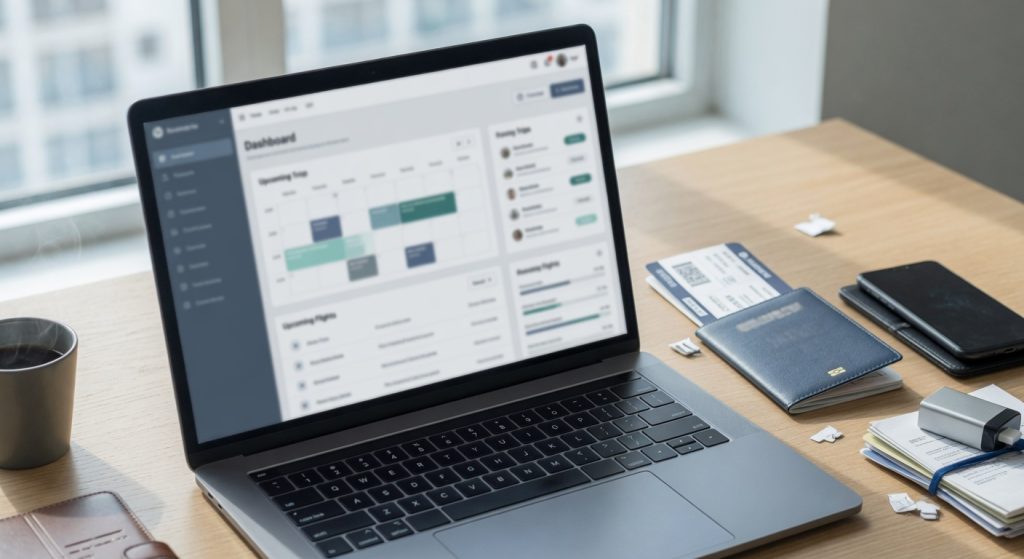
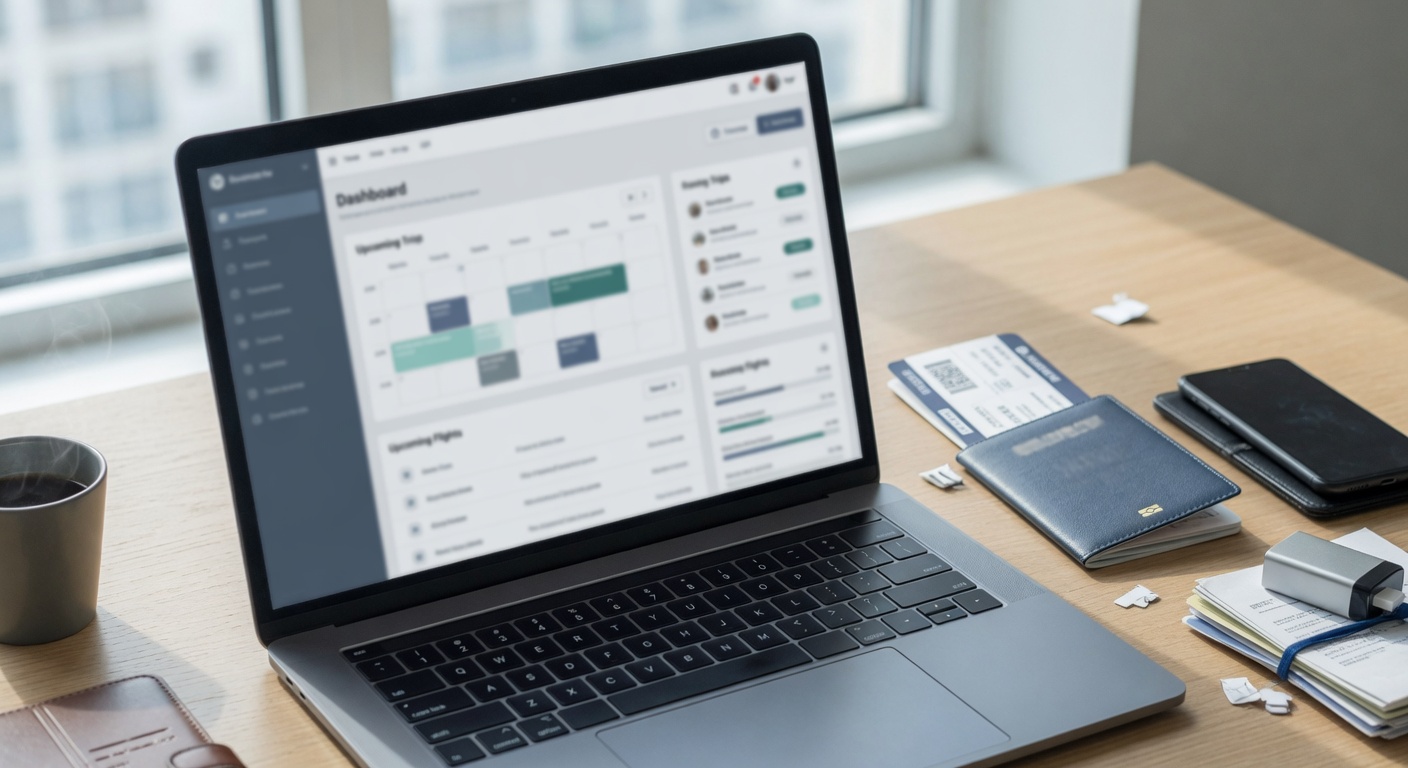
Corporate travel technology refers to the suite of digital tools and software designed to facilitate the management and optimization of business travel. These technologies streamline the entire travel process, from booking flights and accommodations to managing expenses and ensuring compliance with corporate travel policies. At its core, corporate travel technology aims to increase efficiency, reduce costs, and improve the overall travel experience for business travelers and travel managers alike.
The purpose of corporate travel technology is multifaceted. Primarily, it serves as a centralized platform where businesses can plan, book, and monitor their travel activities. With advanced business travel tools, companies gain real-time visibility into their travel spend, enabling better budget control and strategic decision-making. Additionally, these technologies enhance traveler safety and comfort by providing timely updates and support, which is essential in today’s fast-paced and often unpredictable travel environment.
In the landscape of modern business travel management, corporate travel technology plays a crucial role by automating routine tasks and simplifying complex logistics. Travel software applications integrate with various service providers such as airlines, hotels, and car rental agencies to offer seamless booking experiences and consolidate itineraries. This integration not only saves time but also minimizes errors and inconsistencies, leading to smoother business trips.
Moreover, corporate travel technology supports compliance with corporate policies and regulatory requirements. It helps enforce travel policies by guiding employees towards preferred vendors and negotiated rates, while also managing approvals and reporting. This ensures that business travel stays aligned with organizational goals and governance mandates.
In summary, corporate travel technology is an indispensable component of contemporary business travel. Its purpose is to provide a comprehensive technology overview that highlights the benefits of using advanced business travel tools and travel software. By leveraging these digital solutions, organizations can enhance travel efficiency, cut costs, improve traveler satisfaction, and maintain regulatory compliance, thereby making corporate travel management more effective and strategic.
Evolution of Corporate Travel Technology
The history of corporate travel technology is marked by continuous innovation and adaptation to the evolving needs of business travelers. Initially, travel arrangements were manual, relying on travel agents and printed itineraries. The emergence of computerized reservation systems in the 1960s was a major milestone, streamlining booking processes and making travel more efficient. This period marked the start of the travel tech evolution that would transform corporate travel management.
As the internet became widely accessible in the 1990s, online booking platforms revolutionized corporate travel trends by allowing companies and employees to book flights, hotels, and cars directly. This shift not only reduced costs but also provided greater transparency and control over travel plans. Business travel apps soon followed, offering mobile solutions for itinerary management, real-time updates, and expense tracking, enhancing the traveler’s experience and increasing productivity on the go.
In recent years, advances such as AI-driven tools, data analytics, and integrated travel management systems have further redefined corporate travel technology. These technologies enable smarter decision-making, personalized travel experiences, and improved compliance with corporate policies. Understanding the history and key milestones in travel tech evolution helps businesses stay ahead in adopting the latest solutions that meet the dynamic demands of modern corporate travel.
Key Components of Corporate Travel Technology
Corporate travel technology encompasses a variety of tools and software designed to streamline and optimize business travel management. At the forefront are travel management systems, which serve as centralized platforms allowing companies to plan, book, and monitor travel arrangements efficiently. These systems integrate with booking tools that simplify the reservation process by providing access to flights, hotels, and car rentals through a single interface. This consolidation enables travelers and travel managers to find the best options quickly while adhering to company policies.
Expense tracking software is another critical component, helping organizations keep a close eye on travel expenditures. These tools automate the recording and categorization of expenses, reducing errors and enabling travelers to submit reports promptly. This transparency assists finance teams in managing budgets and controlling costs effectively.
Travel analytics platforms complement these systems by providing actionable insights based on travel data. By analyzing patterns and spending trends, these tools empower companies to make strategic decisions, optimize travel policies, and negotiate better rates with suppliers. Together, these components create a robust corporate travel technology ecosystem that enhances efficiency, compliance, and cost management for business travel programs.
Benefits of Implementing Corporate Travel Technology

Implementing corporate travel technology offers numerous benefits that significantly enhance the management of business travel. One of the foremost advantages is the improvement in efficiency. Automated booking systems and integrated travel platforms streamline the entire travel process, from itinerary planning to expense reporting, saving valuable time for both employees and travel managers. This reduction in manual tasks minimizes errors and ensures that travel arrangements are handled swiftly and accurately.
Beyond efficiency, corporate travel technology generates substantial cost savings for businesses. Advanced tools provide real-time access to discounted rates, exclusive deals, and corporate-negotiated tariffs. They enable companies to monitor spending closely, enforce budget limits, and identify areas for financial optimization. The visibility offered helps organizations reduce unnecessary expenditures, optimize travel budgets, and achieve a better return on investment.
Another critical benefit is enhanced travel compliance. Corporate travel technology can enforce company travel policies automatically, ensuring that bookings align with approved guidelines. This compliance helps reduce risks associated with unauthorized travel arrangements and guarantees adherence to safety protocols. Such systems also facilitate the collection of travel documentation and reporting data needed for audits and policy reviews.
Moreover, the centralized control and analytics inherent in travel technology empower businesses to gain deeper insights into travel patterns and employee preferences. This data-driven approach supports better decision-making and facilitates continuous improvement of travel programs. By improving transparency and control, organizations can adapt more effectively to evolving travel landscapes and employee needs.
In summary, the key benefits of implementing corporate travel technology include enhanced efficiency in travel management, significant cost savings, and improved travel compliance. These advantages collectively contribute to a more streamlined, budget-conscious, and policy-compliant travel program, driving better outcomes for the business and its employees alike.
Cost Reduction and Budget Control
Corporate travel technology plays a crucial role in achieving significant cost savings and enhancing budget management. By utilizing advanced software and digital tools, companies can meticulously track and control travel expenses in real time. These technologies provide detailed financial tracking dashboards that allow travel managers to monitor spending patterns and identify areas where costs can be optimized.
Automated expense reporting and travel booking platforms help reduce manual errors and ensure compliance with corporate travel policies, preventing unauthorized or excessive expenditures. This level of control empowers organizations to make informed decisions, negotiate better deals with suppliers, and allocate their travel budgets more effectively.
Moreover, travel management systems enable businesses to set pre-trip approvals and budget caps, thereby avoiding overspending before it happens. The integration of data analytics further refines budget management by providing insights into travel trends and cost drivers, enabling continuous improvement in expense control strategies.
In summary, leveraging corporate travel technology not only streamlines financial tracking but also optimizes travel budgets, ensuring that companies gain maximum value from their travel investments while maintaining strict cost discipline.
Improved Traveler Experience and Safety
Technology has significantly enhanced the traveler experience and safety during corporate trips by providing seamless access to crucial information and support. Mobile apps designed specifically for business travelers offer real-time information, enabling users to stay informed about flight changes, gate updates, and traffic conditions, reducing stress and improving overall user experience. These apps often include features such as itinerary management, expense tracking, and instant communication with travel managers, making business travel more efficient and convenient.
Ensuring traveler safety is another critical benefit of corporate travel technology. Advanced tracking systems allow companies to monitor the location of their employees in real time, which helps in quickly responding to emergencies or unforeseen situations. Safety alerts can be sent immediately if there are any risks such as natural disasters, political unrest, or health warnings in the travel destination. Additionally, secure mobile platforms facilitate quick access to safety protocols and emergency contacts, enhancing the confidence of travelers during their trips.
The integration of user-friendly interfaces with powerful backend systems creates a holistic approach that prioritizes both comfort and protection. By leveraging data analytics, travel technology can predict potential issues and proactively offer solutions, thereby improving the overall user experience. Ultimately, the deployment of mobile apps and real-time information tools in corporate travel not only streamlines logistics but also ensures that traveler safety remains a top priority throughout every business journey.
Future Trends in Corporate Travel Technology

As the corporate travel landscape continues to evolve, future trends in travel technology are set to transform how businesses manage their travel programs. Emerging innovations like AI in travel, automation, and various travel innovations are rapidly reshaping corporate travel management, offering increased efficiency, personalization, and cost control.
One of the most significant future trends is the integration of artificial intelligence (AI) in travel. AI-powered platforms are now capable of analyzing vast amounts of data to optimize travel itineraries, predict potential disruptions, and provide personalized recommendations tailored to the traveler’s preferences and business needs. This level of customization enhances the travel experience while ensuring compliance with company policies.
Automation is another key driver of innovation in corporate travel technology. From booking processes to expense management, automation streamlines repetitive tasks, reducing manual errors and freeing up valuable time for travel managers and employees alike. Automated systems can also facilitate real-time updates, enabling quick adjustments to itineraries and instant communication during travel disruptions.
Beyond AI and automation, other travel innovations such as blockchain for secure payments, biometrics for seamless airport security, and virtual reality (VR) for pre-trip destination previews are also set to enhance corporate travel management. These technologies improve security, transparency, and decision-making processes across the travel lifecycle.
Moreover, as sustainability becomes an increasingly important consideration, advanced travel technology platforms are incorporating eco-friendly options, helping businesses track and reduce their carbon footprint. These innovations not only promote responsible travel but also align with growing corporate social responsibility goals.
In summary, the future of corporate travel technology hinges on the adoption of AI in travel, automation, and continuous travel innovation. Companies leveraging these technologies will benefit from enhanced operational efficiency, improved traveler satisfaction, and smarter cost management, positioning themselves for success in an ever-changing corporate travel environment.
Artificial Intelligence and Machine Learning
Artificial Intelligence (AI) and machine learning are transforming corporate travel planning by enhancing efficiency and personalization. Through advanced predictive analytics, these technologies analyze vast amounts of travel data to forecast trends, optimize itineraries, and anticipate potential disruptions. This enables travel managers to make smarter decisions, reducing costs and improving the overall travel experience for employees.
Machine learning algorithms continually learn from user behavior and preferences, allowing corporate travel systems to provide personalized recommendations tailored to individual traveler profiles. This personalization not only caters to preferences like preferred airlines or hotels but also factors in travel policies, budgets, and previous experiences to deliver highly relevant options.
AI-driven tools automate routine tasks, such as booking adjustments and expense management, freeing up valuable time for travel coordinators. The integration of AI and machine learning also enhances risk management by proactively identifying travel risks and offering timely alerts, ensuring traveler safety and compliance with corporate policies.
Overall, AI and machine learning empower corporations to streamline their travel planning processes, reduce operational costs, and foster a more personalized, seamless travel experience, making them indispensable in modern corporate travel technology.
Integration of Mobile and Cloud Technologies
The integration of mobile apps and cloud computing has revolutionized travel management, making it more efficient and responsive. Mobile apps enable travelers and managers to access essential travel information anytime and anywhere, providing unparalleled convenience. These apps, combined with cloud-based platforms, allow for seamless data synchronization across devices, ensuring that all stakeholders have the most up-to-date information.
Cloud computing supports real-time updates by centralizing travel data in the cloud, which can be instantly accessed and modified as needed. This capability allows travel managers to monitor itineraries, bookings, and expenses in real time, significantly reducing delays and miscommunications. The cloud also enhances collaboration between travel teams by offering shared access to documents and tools, streamlining approval processes and itinerary adjustments.
Mobile apps integrated with cloud technology provide instant notifications about flight changes, hotel bookings, and travel disruptions, empowering travelers to make quick decisions and adapt plans efficiently. This real-time data access improves traveler experience and operational control, reducing risks and enhancing compliance with corporate travel policies.
Overall, the combination of mobile apps and cloud computing transforms traditional corporate travel management into a dynamic, flexible system. By delivering immediate access to updated travel details and facilitating fluid communication, these technologies help businesses optimize travel arrangements, save costs, and improve productivity.

I love spotting the intersection between business strategy and travel experiences. When I’m not planning my next trip, I enjoy writing about how entrepreneurs can turn journeys into growth opportunities.