

For professionals navigating multi-city business trips, the difference between a seamless journey and a logistical nightmare often hinges on how you prepare your packing. Unlike traditional vacations, where comfort and leisure dominate, multi-city business travel demands precision, adaptability, and efficiency. The right approach to multi-city business packing isn’t just about fitting essentials into a suitcase, it’s about anticipating variables like time zone changes, meeting schedules, and last-minute adjustments while keeping your focus on productivity. A well-structured packing strategy ensures you’re never caught off guard by a delayed flight, a forgotten presentation, or an unexpected overnight stay, all of which can derail even the most meticulously planned itinerary.
The Core Principle: Minimalism Without Sacrifice
The first rule of multi-city business packing is to embrace minimalism, but not at the expense of functionality. The average business traveler moves through three to five cities in a single trip, each with its own set of requirements, from formal meetings in a boardroom to impromptu client dinners. A carry-on backpack designed for multi-city business packing should prioritize organization over sheer volume. Models like the Osprey Porter or the Peak Design Travel Backpack excel here, offering 40-50 liters of space with modular compartments that separate work essentials from personal items. This isn’t just about fitting everything; it’s about accessing what you need in seconds, whether it’s your laptop charger during a layover or your business cards in a hotel lobby. The key is to pack only what you’ll use, eliminating the temptation to overstuff with “just in case” items that end up collecting dust in a drawer.
Minimalism in this context isn’t about deprivation; it’s about strategic selection. For instance, a single versatile blazer can replace three different outfits if paired with interchangeable shirts and trousers. The same logic applies to electronics, one universal power adapter that works across continents, paired with a portable charger capable of juicing a laptop twice, cuts down on bulk while covering all bases. Even toiletries can be streamlined: a solid shampoo bar and a travel-sized refillable water bottle eliminate the need for multiple bottles, saving space and reducing the risk of spills. The goal is to maintain professionalism without the burden of excess, ensuring your focus remains on the work at hand rather than the logistics of your trip.
Layering for Climate Variability
One of the most overlooked aspects of multi-city business packing is accounting for climate variability. A single trip might take you from the humid streets of Tokyo to the crisp boardrooms of Zurich, and each environment demands a different approach. Layering is the solution, it allows you to adapt to temperature swings without overpacking. Start with a moisture-wicking base layer, like a merino wool undershirt, which regulates temperature and resists odors. Add a lightweight, packable fleece or a down vest for cooler climates, and cap it off with a breathable, water-resistant outer layer for unpredictable weather. This system ensures you’re never too hot or too cold, whether you’re presenting in an air-conditioned conference room or navigating a transit hub with unpredictable heating.
The choice of outerwear also depends on the nature of your meetings. In cities like New York or London, a structured blazer can transition seamlessly from a boardroom to a casual lunch, while in more formal markets like Seoul or Singapore, a tailored coat becomes essential. For layovers, consider a compact, foldable rain jacket that fits easily into a backpack pocket, it’s a small investment that prevents discomfort during unexpected downpours. The trick is to anticipate the worst-case scenario without packing for every possible extreme. For example, if your itinerary includes a stop in a city with known humidity, like Miami or Hong Kong, bring a quick-dry travel towel and breathable fabrics to avoid the clammy feeling of synthetic materials. Layering isn’t just about temperature; it’s about maintaining composure and professionalism regardless of external conditions.
Electronics: The Silent Workforce of Multi-City Travel
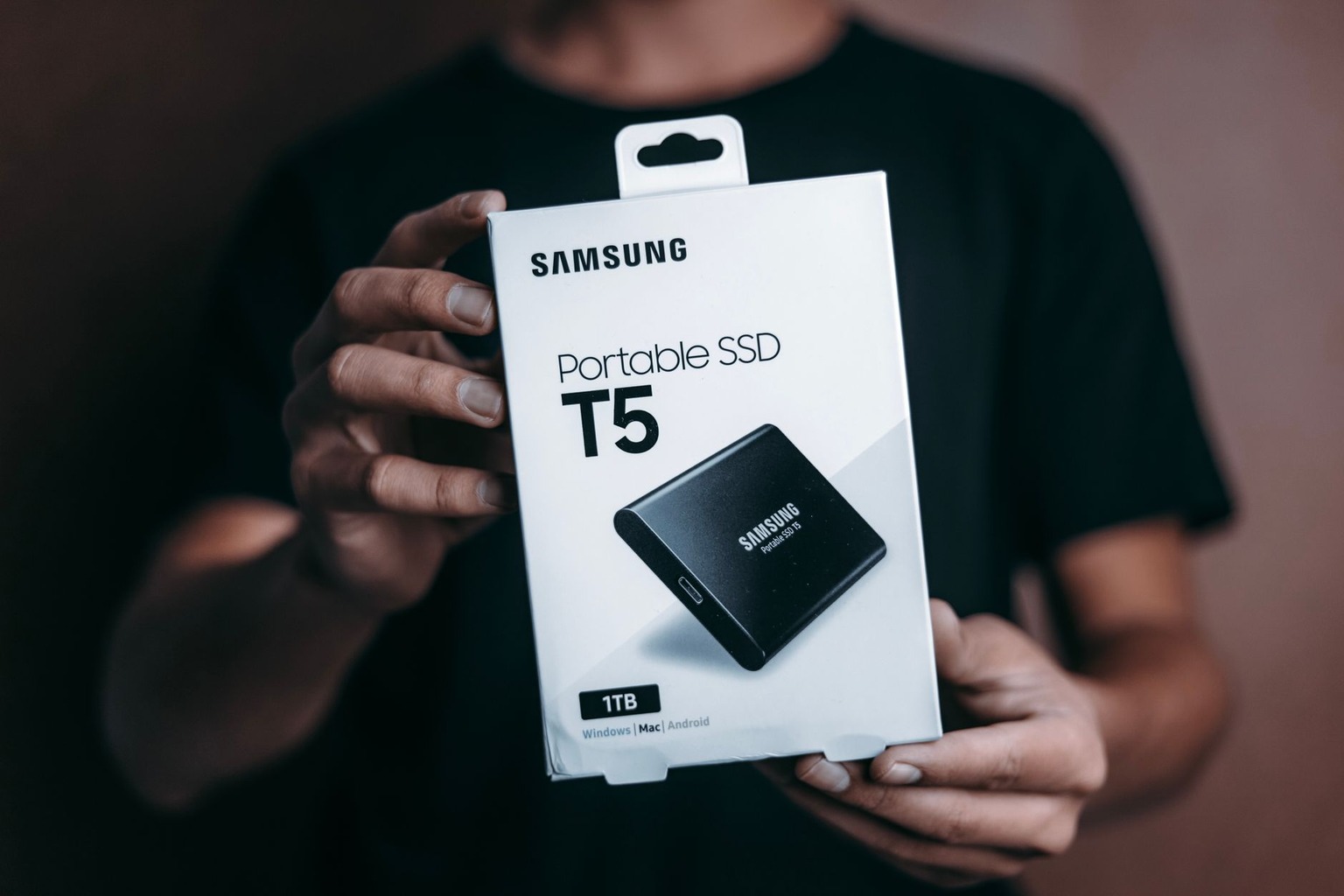
In the world of multi-city business packing, electronics are the silent partners that keep your work on track. A reliable laptop is non-negotiable, but the accessories surrounding it often determine whether your trip runs smoothly or spirals into chaos. Start with a universal power adapter that supports at least 100-240V, as voltage requirements vary wildly by region. Pair it with a high-capacity USB-C charger, like the Anker PowerCore, which can charge your laptop, phone, and tablet simultaneously, critical when you’re juggling multiple time zones and limited outlet access. Don’t forget a portable SSD or cloud storage solution; if your laptop is confiscated or delayed, having a backup of your presentations and documents ensures you’re never left scrambling.
On Maurice Moves they explain packing strategies for any trip — you can watch it right here.
Other essentials include a noise-canceling headset for long flights or noisy transit hubs, a compact Bluetooth keyboard for presentations, and a universal card reader if you’re dealing with multiple business cards. For meetings, a stylus and a tablet like the iPad can be a game-changer, you can annotate documents on the fly and sync them to your laptop without missing a beat. The key is to test these devices before your trip to avoid last-minute malfunctions. For instance, if you’re using a new charger, plug it in at home to ensure compatibility with your laptop’s ports. Electronics are the backbone of modern business travel, and their reliability can mean the difference between a polished presentation and a frantic scramble to find a replacement part in a foreign city.
Document Management: The Invisible Backbone of Professionalism
Document management is where multi-city business packing often fails, yet it’s the most critical aspect of maintaining professionalism on the road. A single misplaced passport, forgotten visa, or lost boarding pass can derail an entire trip. The solution is a dedicated document organizer, such as a RFID-blocking wallet or a slim, waterproof pouch that fits into your backpack’s main compartment. Inside, keep your passport, visas, driver’s license, and boarding passes in separate, labeled sections. For digital documents, use a password-protected cloud service like Google Drive or Dropbox, with offline access enabled so you can retrieve files even without an internet connection. It’s also wise to print a copy of your itinerary, including flight details and hotel reservations, in case of digital glitches.
Another often-overlooked document is the business visa or work permit, which some countries require for short-term stays. If your itinerary includes stops in countries like China or Russia, verify these requirements well in advance and pack them alongside your passport. For meetings, bring printed copies of your business cards in the local language, as some cultures still prefer physical exchanges over digital ones. The goal is to eliminate any excuse for being unprepared, whether it’s a visa issue at immigration or a forgotten presentation file during a pitch. Document management isn’t just about organization; it’s about peace of mind, allowing you to focus on the work rather than the paperwork.
Clothing: The Art of Versatility in Limited Space
Clothing is where multi-city business packing becomes an art form, especially when you’re limited to a carry-on. The secret lies in versatility: every item should serve at least two purposes. Start with a neutral color palette, navy, gray, and black, so outfits can be mixed and matched without clashing. A well-fitted dress shirt can be worn with trousers for a meeting or rolled up with chinos for a casual lunch. Similarly, a tailored blazer can elevate a simple button-down or a dress shirt, making it suitable for both formal and semi-formal occasions. For footwear, opt for a pair of versatile dress shoes that can transition from a boardroom to a hotel bar, and a pair of comfortable walking shoes for transit days. Packing cubes help maintain order, with one cube for tops, one for bottoms, and a separate one for outerwear.

The challenge with clothing is balancing professionalism with comfort. Fabrics like merino wool and performance blends wick moisture and resist wrinkles, making them ideal for travel. Avoid cotton, which holds odors and wrinkles easily. For outerwear, a lightweight, packable coat that fits into your backpack is essential, it’s the difference between arriving at a meeting looking disheveled or polished. Another tip is to pack one “extra” outfit in your carry-on in case of delays. This isn’t about luxury; it’s about contingency. If your flight is canceled and you’re stuck overnight in a transit city, having a clean set of clothes ensures you can still present yourself professionally the next day. The goal is to look like you’ve arrived fresh from the office, not like you’ve been on the road for days.
Layover Logistics: The Forgotten Layer of Multi-City Travel
Layovers are the unsung heroes, or villains, of multi-city business packing. A well-prepared traveler treats each layover as a mini-trip, packing a small emergency kit that includes essentials like a change of underwear, a travel-sized toothbrush, and a lightweight scarf or sweater. Even if you’re only stopping for a few hours, delays can turn into overnight stays, and you won’t want to be digging through your suitcase at 2 AM. A compact toiletry bag with travel-sized products ensures you can freshen up without overpacking. For longer layovers, consider packing a foldable tote bag that can double as a carry-on if your main bag is lost or delayed. This way, you’re never left without a way to transport your essentials.
The key to layover logistics is efficiency. If you’re connecting through a city like Dubai or Frankfurt, where amenities are plentiful, you might get away with minimal packing. But in less accommodating hubs, like Moscow or Istanbul, a small first-aid kit, a reusable water bottle, and a snack bar can make the difference between a smooth transition and a stressful one. For flights longer than six hours, a neck pillow and eye mask become essential, but they should be compact enough to fit into your backpack’s side pocket. The goal is to anticipate the unexpected, whether it’s a delayed flight, a missed connection, or an impromptu meeting during a layover. By treating layovers as part of the journey rather than an afterthought, you ensure that even the most chaotic disruptions don’t derail your professionalism.

I love spotting the intersection between business strategy and travel experiences. When I’m not planning my next trip, I enjoy writing about how entrepreneurs can turn journeys into growth opportunities.