

Traveling for business can be an exciting opportunity to network, expand professional horizons, and foster relationships. However, it also comes with a set of expectations regarding etiquette that corporate employees should adhere to. Understanding these unwritten rules is essential for maintaining professionalism and ensuring positive interactions during business trips. This article will explore various aspects of travel etiquette for corporate employees, from planning and communication to behavior while on the road, helping you navigate the complexities of business travel with ease.
Planning Your Business Trip
Effective planning is the foundation of a successful business trip. Before embarking on your journey, it is crucial to review the company’s travel policies, which may include guidelines on preferred airlines, hotel accommodations, and allowable expenses. Familiarizing yourself with these policies can help you avoid unnecessary complications or misunderstandings that may arise during reimbursement processes. For instance, some companies may have restrictions on first-class travel or specific hotel chains that are preferred due to negotiated rates.
Additionally, consider the purpose of your trip when planning your itinerary. Make sure to allocate sufficient time for meetings, networking events, and any necessary follow-ups. Informing colleagues of your schedule in advance can facilitate better coordination and demonstrate respect for their time. A well-structured itinerary not only enhances productivity but also showcases professionalism, making a positive impression on clients and colleagues alike.
Effective Communication Before Travel
Communicating effectively with your team and clients before your travel is essential for setting expectations and ensuring a smooth trip. Notify relevant parties of your travel plans, including the dates of departure and arrival, as well as any scheduled meetings. This communication allows others to plan accordingly and ensures that you can maximize the potential of your trip. Use email or professional messaging platforms to keep everyone updated, and consider sharing your itinerary for added transparency.
Moreover, if you are traveling to a different time zone, be mindful of scheduling meetings that accommodate the local time of your contacts. This consideration shows respect for their time and can lead to more fruitful discussions. In your communications, maintain a professional tone and provide all necessary details, such as meeting locations and contact information, to facilitate smooth interactions.
Behavior During Travel
Once you are on the road, your conduct can significantly impact your professional image. It is vital to maintain a professional demeanor in all situations, whether you are in a meeting, at a conference, or simply interacting with hotel staff. Dress appropriately for your business engagements, aligning with the company’s dress code and the expectations of the industry. A polished appearance not only boosts your confidence but also leaves a lasting impression on your colleagues and clients.

Additionally, practice good manners while traveling. For instance, be polite to airline staff, hotel employees, and fellow travelers. Simple gestures, like saying “please” and “thank you,” can foster goodwill and create a positive atmosphere. Remember that you are representing your company, so exhibiting professionalism and courtesy can reflect positively on your organization as a whole.
Dining Etiquette for Business Meals
Business meals are a common aspect of corporate travel, providing opportunities to build relationships outside the office. Understanding dining etiquette is crucial in these settings. First, familiarize yourself with the menu and be mindful of dietary restrictions that your dining companions may have. If you are hosting the meal, consider choosing a restaurant that caters to diverse tastes and dietary needs.
During the meal, engage in light conversation while avoiding controversial topics. It’s essential to strike a balance between professional discussions and casual banter to create a comfortable atmosphere. When it comes to paying the bill, if you are the host, be prepared to cover the costs. If you are a guest, offer to split the bill or cover your share, but do not insist if the host declines. This demonstrates respect and appreciation for the invitation.
Networking Opportunities
Business travel often presents unique networking opportunities. Attend industry events, conferences, or seminars to connect with peers and potential clients. When networking, approach individuals with a friendly demeanor and a genuine interest in their work. Prepare a few talking points about your company and your role, as well as questions that can facilitate engaging conversations.
Exchange business cards, but do so thoughtfully. When receiving a card, take a moment to read it before putting it away, as this shows respect for the individual. Follow up with new contacts after the event, expressing your appreciation for the conversation and suggesting potential collaboration. Networking is not just about making connections; it is about nurturing relationships that can lead to future opportunities.
Respecting Local Customs and Cultures
When traveling internationally, it is vital to respect the local customs and cultures of the destination. Researching cultural norms can help you avoid unintentional faux pas. For instance, in some cultures, punctuality is highly valued, while in others, a more relaxed approach to time is acceptable. Understanding these differences can enhance your interactions and demonstrate your commitment to cross-cultural respect.
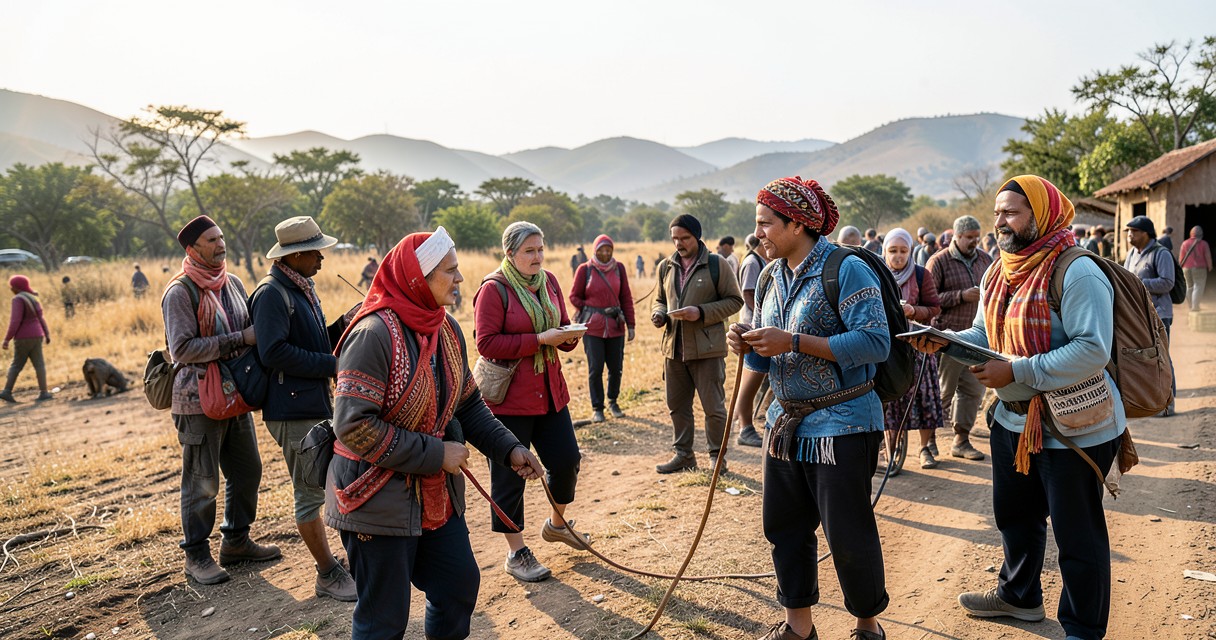
Additionally, familiarize yourself with local dining customs, greetings, and gestures. For example, in certain cultures, it is customary to greet with a handshake, while others may prefer a bow or a cheek kiss. Being aware of these practices can help you navigate social interactions with ease and show that you are considerate of local traditions. This cultural sensitivity can foster goodwill and strengthen professional relationships in international settings.
Post-Travel Follow-Up
After returning from your business trip, it is essential to follow up with contacts you met during your travels. Send thank-you emails to individuals who hosted you or took the time to meet with you. Expressing gratitude not only reinforces your professional relationships but also keeps the lines of communication open for future collaborations.
Moreover, share insights or valuable information you gathered during your trip with your team. This practice can enhance the overall knowledge base of your organization and demonstrate your commitment to contributing positively to your workplace. By reflecting on your experiences and sharing them with others, you can foster a culture of learning and collaboration within your company.

I love spotting the intersection between business strategy and travel experiences. When I’m not planning my next trip, I enjoy writing about how entrepreneurs can turn journeys into growth opportunities.