

Why Downtown Business Travel Is the Smartest Move for Your Next Trip
Downtown business travel isn’t just about convenience. It’s a strategic choice that puts you in the heart of a city’s economic pulse, where meetings, networking, and deals happen faster. When you stay within walking distance of corporate offices, co-working spaces, and high-end business services, you save hours that would otherwise be lost in transit. Recent data shows that professionals who book downtown hotels or short-term rentals near central business districts report up to 30% more face-to-face interactions than those staying in suburban areas. That proximity translates directly into more closed deals, stronger client relationships, and a sharper understanding of local market dynamics. If your travel budget allows, downtown is where efficiency meets opportunity.
How to Choose the Right Downtown Hotel for Business Needs
Not all downtown hotels are created equal when it comes to business travel. The best properties offer more than just a bed and a lobby. Look for locations with dedicated business centers that operate 24/7, equipped with high-speed printers, private workstations, and secure document shredding. A hotel with a well-staffed concierge can also be a game-changer, especially if they have relationships with local courier services, tech repair shops, or even last-minute meeting venues. In Denver, for example, the Hyatt Regency’s business floor includes soundproofed rooms with ergonomic chairs and dual monitors, a setup that mirrors a corporate office. Always check the hotel’s proximity to public transit hubs, too. A five-minute walk to a subway station can save you 45 minutes of gridlock during rush hour.
Another critical factor is the hotel’s Wi-Fi reliability. Nothing derails a business trip faster than a dropped video call or a failed file upload. Properties like the Element New Orleans Downtown now offer redundant internet connections, meaning if one network fails, another automatically takes over. Some hotels even provide portable Wi-Fi hotspots for guests to use off-site, a feature that’s particularly useful if you’re visiting a city with spotty cellular coverage. Before booking, read recent guest reviews that mention connectivity. If multiple travelers complain about slow speeds, consider it a red flag.
The Hidden Costs of Staying Outside Downtown on Business Trips
Booking a hotel outside the downtown core might seem like a way to save money, but those savings often evaporate once you factor in hidden costs. Ride-sharing fees, for instance, can add up quickly. A single round-trip Uber from a suburban hotel to a downtown meeting can cost $50 or more in cities like Chicago or San Francisco. Over a three-day trip, that’s an extra $150 you didn’t budget for. Public transit isn’t always a cheaper alternative, either. In some cities, express bus or train tickets for non-residents can be nearly as expensive as a short rideshare, especially if you’re traveling during peak hours.
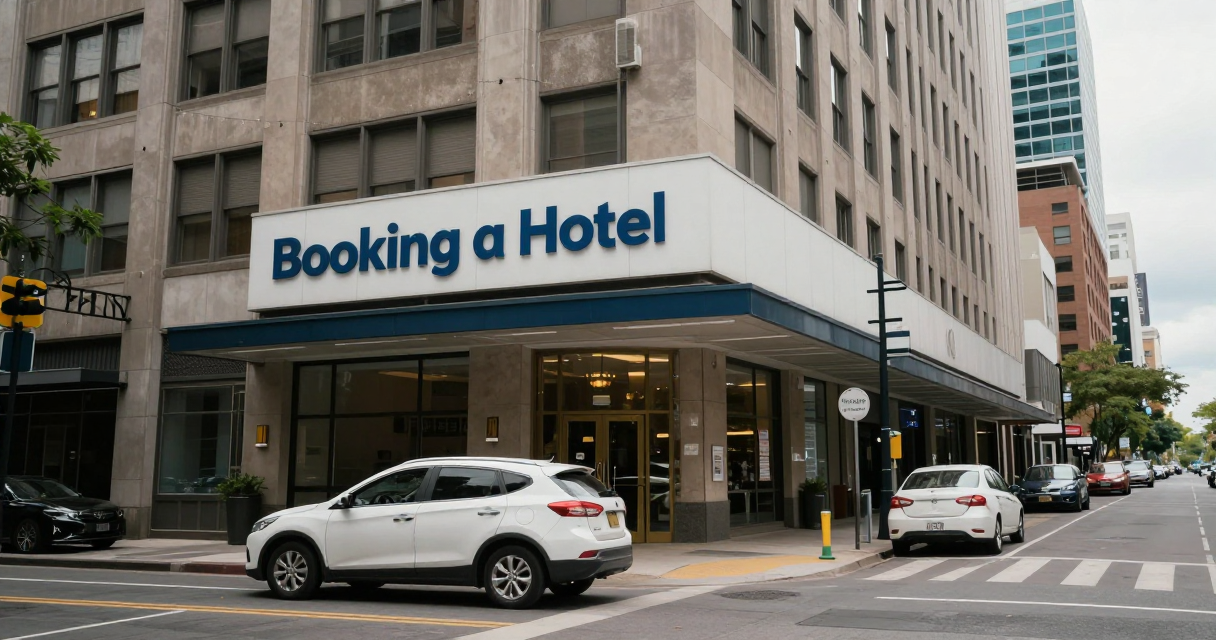
Time is another expense that’s easy to overlook. A 30-minute commute each way might not sound like much, but it adds up. If you’re meeting with three clients in a day, that’s three hours spent in transit instead of preparing or following up. Those lost hours can mean the difference between closing a deal and missing an opportunity. There’s also the risk of delays. Traffic jams, transit strikes, or even a single accident can turn a 20-minute trip into an hour-long ordeal. When you stay downtown, you eliminate that variability. You can step out of your hotel and be at your meeting in five minutes, giving you more control over your schedule.
Maximizing Productivity with Downtown Co-Working Spaces
Downtown co-working spaces have become essential for business travelers who need more than a hotel room to get work done. Unlike traditional offices, these spaces are designed for flexibility, offering day passes, private phone booths, and high-speed internet that’s often faster than what you’ll find in a hotel. WeWork locations in major cities like New York and Los Angeles, for example, provide 24/7 access, so you can work late or start early without worrying about building hours. Many also host networking events, which can be a goldmine for making unexpected connections. If you’re traveling to a city where you don’t have an office, a co-working space can serve as your temporary headquarters.
Some downtown co-working spaces cater specifically to business travelers. The Wing in Washington, D.C., for instance, offers a members-only lounge with complimentary coffee, printing services, and even a quiet room for naps or meditation. Others, like Industrious, partner with hotels to offer discounted day passes to guests. This can be a cost-effective way to access premium amenities without committing to a full membership. Before your trip, research the co-working spaces near your hotel and check their websites for day-pass pricing. Some offer discounts if you book in advance, and a few even include free trial days for first-time visitors.
Dining and Networking: Where to Eat Downtown When You’re on Business
Downtown dining isn’t just about fueling up. It’s a chance to impress clients, build relationships, and even scout local talent. The best business meals happen in restaurants that balance professionalism with a relaxed atmosphere. Steakhouses like Morton’s or Capital Grille are classic choices because they offer private dining rooms where you can discuss deals without interruptions. For a more modern vibe, look for restaurants with communal tables or bar seating. These setups encourage mingling and can lead to spontaneous conversations with other professionals. In Denver, the Hyatt Regency’s on-site restaurant, Altitude, has become a favorite for business lunches because it offers a quiet corner for small groups and a menu that caters to dietary restrictions.
If you’re traveling solo, downtown coffee shops can be just as valuable as sit-down restaurants. A well-placed café with strong Wi-Fi and plenty of outlets can double as a workspace. In New Orleans, the Element Hotel’s lobby café is designed with business travelers in mind, offering a mix of counter seating and small tables where you can take calls or review documents. Some hotels even partner with local coffee roasters to provide a unique experience. The Ace Hotel in Portland, for example, serves Stumptown Coffee, a local brand that’s become a talking point for guests. When choosing a spot, prioritize locations that are centrally located but not too loud. A café with a steady stream of foot traffic can be great for people-watching, but if it’s too crowded, you’ll struggle to hear yourself think.
Navigating Downtown Transportation for Business Travelers
Getting around downtown efficiently can make or break a business trip. Ride-sharing apps like Uber and Lyft are convenient, but they’re not always the fastest option. In cities with heavy traffic, like Los Angeles or Houston, a subway or light rail can get you to your destination in half the time. Many downtown areas have dedicated business districts with free shuttle services. In Chicago, for example, the Loop Link bus system connects major corporate hubs, and it’s free for anyone with a hotel keycard. Before your trip, download the local transit app and check for real-time updates. Some cities, like New York, even offer contactless payment options, so you don’t have to fumble with cash or tickets.
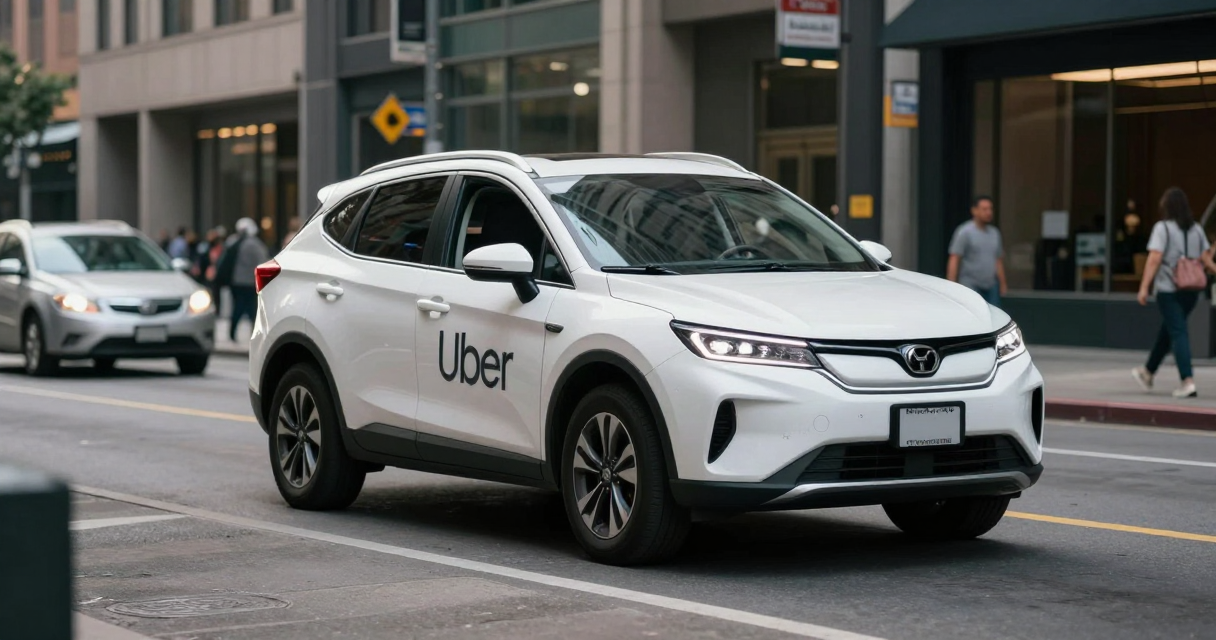
If you prefer to drive, be strategic about parking. Downtown garages can charge $50 or more per day, and street parking is often limited to two hours. Some hotels offer valet services that include unlimited in-and-out privileges, which can be worth the extra cost if you’re planning multiple meetings. Another option is to use a parking app like SpotHero, which lets you reserve a space in advance at a discounted rate. In cities with bike-sharing programs, like Washington, D.C., or Minneapolis, you can rent a bike for short trips. This is often faster than walking and more flexible than public transit. Just be sure to check the city’s bike lane map before you set out. Nothing kills productivity like getting lost in an unfamiliar neighborhood.
How Downtown Business Travel Trends Are Changing in 2024
Downtown business travel is evolving, driven by changes in how companies view work and travel. One of the biggest shifts is the rise of “bleisure” trips, where professionals extend their business stays to include leisure time. Hotels are responding by offering flexible check-in and check-out times, as well as packages that include local experiences. The Element New Orleans Downtown, for example, partners with nearby museums and jazz clubs to offer discounted tickets to guests. This trend is particularly strong in cities with vibrant cultural scenes, like Nashville or Austin, where business travelers can mix work with entertainment without leaving downtown.
Another trend is the growing demand for sustainable travel options. More business travelers are choosing hotels with green certifications, like LEED or Green Key, and opting for public transit over ride-sharing. Some companies now require employees to book eco-friendly accommodations as part of their travel policies. Downtown areas are well-positioned to meet this demand, as they often have better access to public transit and bike-sharing programs. In Portland, for instance, the city’s downtown hotels have seen a 20% increase in bookings from business travelers who prioritize sustainability. This shift isn’t just about environmental responsibility. It’s also about cost savings. Public transit and bike-sharing are often cheaper than ride-sharing, and green hotels tend to have lower utility costs, which can translate into lower room rates.

I love spotting the intersection between business strategy and travel experiences. When I’m not planning my next trip, I enjoy writing about how entrepreneurs can turn journeys into growth opportunities.