
The most effective way to validate a new product idea before launch isn’t in a boardroom, it’s on the road. Business travel for market research isn’t just about meeting clients or attending conferences; it’s an underutilized tool to gather raw, real-world insights that no spreadsheet or focus group can replicate. When you combine the mobility of travel with the direct observation of customer behavior, you uncover patterns that reveal what people actually want, not what they say they want. This approach cuts through the noise of online surveys and gives you the kind of firsthand data that turns guesswork into strategy. The key lies in knowing how to turn every stop on your itinerary into a research opportunity, whether you’re sipping coffee in a local café or standing in line at a trade show booth. The difference between a product that flops and one that dominates its niche often hinges on these overlooked moments of insight gathered halfway across the world.
How to turn a business trip into a field lab for customer behavior
The most valuable market research happens when you’re not actively asking questions, it happens when you’re watching. A business trip transforms into a field lab if you treat every interaction as a data point. For example, a sales rep visiting a manufacturing plant in Germany might notice that local engineers consistently use a specific type of clipboard to jot down notes during inspections. That observation could reveal a gap in the market for a more durable or ergonomic alternative, one that competitors haven’t yet addressed. The trick is to shift from a transactional mindset (checking off meetings) to an observational one (noticing how people actually work). This requires slowing down, taking notes on behaviors rather than just jotting down answers to pre-written questions, and paying attention to the little details that big data often misses. The best insights come from what people do, not what they say they’ll do.
Another layer of this technique is what we call “environmental scanning”, noticing how products are used in their natural context. If you’re launching a new line of luggage, visiting airports isn’t just about meeting airline executives; it’s about watching how travelers interact with existing luggage brands. Do they struggle with zippers? Do they complain about weight? Are there makeshift solutions (like duct tape repairs) that suggest unmet needs? These observations become the raw material for product features that actually solve real problems. The mistake many companies make is assuming that what works in one market will translate perfectly elsewhere. A business trip forces you to see those differences firsthand, like realizing that a product popular in Tokyo might be impractical for a humid climate in Bangkok. This kind of grounded research is what separates products that are merely “good” from those that become industry standards.
The art of conversational mining during business travel
The most effective business travel market research techniques aren’t about structured interviews, they’re about casual conversations that feel organic. The best insights often come from idle chit-chat over lunch or a coffee break, where people drop hints about frustrations or unspoken desires without realizing they’re giving away market intelligence. For instance, a CEO might casually mention during a networking event that their team is tired of dealing with clunky software updates, which could spark an idea for a more seamless SaaS solution. The key is to listen for patterns in these informal exchanges rather than focusing on individual anecdotes. If three different people in three different cities complain about the same pain point, that’s a signal worth pursuing.
To make this work, you need to train yourself to ask open-ended questions that invite storytelling rather than yes-or-no answers. Instead of asking, “Do you like our new feature?” try, “Tell me about the last time you had a problem with a tool like ours.” This shifts the conversation from product approval to real-world usage, revealing gaps in the market that competitors haven’t noticed. The best questions are the ones that feel like natural extensions of the conversation, not like an interrogation. For example, if you’re at a trade show and a visitor mentions they’re frustrated with a competitor’s product, follow up with, “What’s the biggest headache you’ve had with that?” This turns a passing comment into a potential feature request. The goal isn’t to sell anything; it’s to collect enough of these stories to identify a trend.
One often-overlooked place for conversational mining is during downtime, waiting for flights, checking into hotels, or even in the lobby of a conference center. These moments are where people let their guard down and share frustrations they wouldn’t voice in a formal setting. A salesperson might overhear two engineers discussing how their current tools don’t integrate well with their workflow, which could inspire a product that bridges that gap. The key is to be present, put away your phone, make eye contact, and listen for subtext. These insights are gold because they’re unfiltered and come from people who aren’t thinking about what they should say but what they actually experience.
Leveraging trade shows and industry events as research hubs
Trade shows and industry events are the ultimate playground for business travel market research techniques, but most companies treat them as sales opportunities rather than research labs. The mistake is showing up with a sales pitch instead of a notebook. For example, a company launching a new type of office chair might spend hours at a furniture expo talking to buyers about their needs, but the real gold is watching how attendees interact with existing chairs. Do they struggle to adjust the lumbar support? Do they keep leaning forward, suggesting the design is uncomfortable? These observations are far more revealing than any survey response. The best research happens when you’re not the one talking.
For deeper insights, Easy Marketing covers effective tourism marketing strategies in this helpful video you can watch right here.
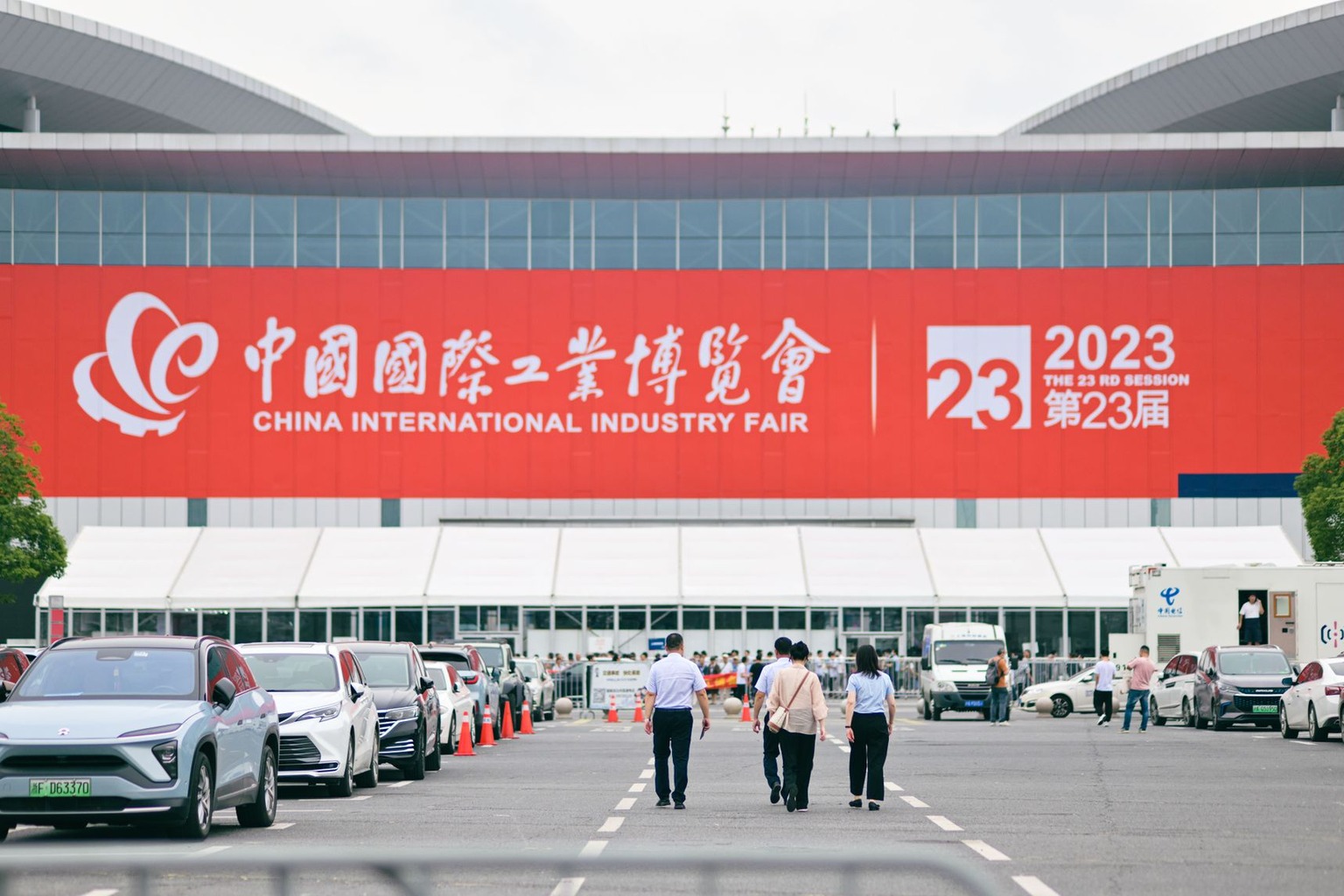
The most effective approach is to position yourself as a curious observer rather than a vendor. Instead of standing behind your booth, wander the floor and note which products draw the most attention, or, conversely, which ones people avoid. Pay attention to the questions people ask booth staff. If attendees keep asking about a feature your competitors don’t highlight, that’s a clue about what’s missing in the market. For instance, if everyone at a tech expo is asking about battery life in portable devices, that’s a clear signal that energy efficiency is a top concern. The key is to collect these observations systematically, jotting down notes on a spreadsheet or voice-recording conversations (with permission) to analyze patterns later. This turns a trade show into a living case study of customer needs.
Another strategy is to engage with attendees who aren’t your direct competitors. For example, if you’re launching a new type of industrial tool, strike up conversations with engineers who use similar products but aren’t in your space. They might reveal frustrations with their current tools that could inspire a better solution. The best insights often come from people outside your immediate industry because they don’t have the same biases. A conversation with a mechanic about their favorite wrenches might lead to a breakthrough for a new line of precision tools. The goal isn’t to sell anything; it’s to listen enough to spot the next big opportunity.
The psychology of in-person observations vs. digital research
The difference between business travel market research techniques and traditional digital research is that the former captures behavior, while the latter captures intent. Online surveys and analytics tell you what people say they want, but they don’t show you what they do. For example, a digital survey might reveal that 80% of travelers prefer lightweight luggage, but watching people at an airport baggage claim shows that many still struggle with heavy suitcases because they overpack. This discrepancy is why in-person research is so powerful, it reveals the gap between what people claim to want and what they actually need. The best products solve for the latter, not the former.
Digital research also lacks the emotional context that travel provides. When you’re watching someone struggle with a product in their natural environment, you see the frustration, the workarounds, and the moments of inspiration when they figure out a better way. For instance, a business traveler might notice that a client’s team uses sticky notes to track deadlines because their project management software is too clunky. That observation could lead to a simpler, more intuitive tool. Digital data can’t capture that kind of emotional reaction, only being there can. The best insights come from seeing people in their element, where their true needs become visible.
Another psychological advantage of in-person research is the ability to read body language and tone. A digital survey might get a polite “Yes, we like your product,” but in person, you’ll see the hesitation, the side-eye, or the sigh that reveals the real sentiment. For example, if someone at a trade show keeps glancing at their watch while talking about your product, that’s a sign of disengagement that a survey wouldn’t capture. These subtle cues are why travel-based research is so effective, it gives you the full picture, not just the sanitized answers people give when they think they’re being evaluated. The best products are built on this kind of nuanced understanding of human behavior.
Structuring your business trip for maximum research yield
Not every business trip is equally valuable for market research, which is why you need a structured approach to maximize the yield. The first step is to identify the right destinations, places where your target customers are concentrated, whether that’s a major industry hub like Dubai for logistics or a niche market like Portland for eco-friendly products. For example, if you’re launching a new line of outdoor gear, visiting a climbing gym in Boulder isn’t just about meeting potential buyers; it’s about observing how climbers interact with existing equipment. Do they complain about rope durability? Do they jury-rig solutions for missing features? These observations become the blueprint for your product.

The next layer is logistics, planning your itinerary so that research opportunities align with your travel schedule. If you’re visiting multiple cities, prioritize locations where your target customers are likely to be, and block time for informal observations rather than just meetings. For instance, if you’re in a city known for a specific industry, spend an afternoon at a local workshop or factory to see how people use your competitors’ products. The goal is to balance structured research (like interviews) with unstructured observation (like wandering a trade show floor). This mix ensures you’re not just collecting data but also seeing it in action. The best trips are those where research feels like a natural part of the journey, not an afterthought.
Finally, bring the right tools to document your findings. A notebook is essential for jotting down quick observations, but a voice recorder (with permission) can capture more detailed conversations. Some researchers also use a simple camera to document product usage in context, though this requires sensitivity to privacy concerns. The key is to stay organized so that insights don’t get lost in the chaos of travel. A well-structured trip turns every stop into a research opportunity, whether you’re in a boardroom or a local café. The difference between a trip that yields insights and one that doesn’t often comes down to preparation and attention to detail.
From observation to product development: turning travel insights into action
The final step in using business travel for market research is translating observations into actionable product features. The best way to do this is to categorize your findings into clear themes, like “users struggle with X” or “there’s a gap in Y.” For example, if you notice that people consistently modify existing products to fit their needs, that’s a sign that a more customizable solution is missing in the market. These themes become the foundation for your product roadmap. The key is to avoid over-engineering based on a single anecdote; instead, look for patterns that emerge across multiple observations. If three different people in three different cities mention the same pain point, that’s a strong signal to prioritize a solution.
Once you’ve identified the key insights, the next step is to validate them with a small-scale test. For instance, if you’ve observed that people struggle with a specific feature of a competitor’s product, prototype a solution and test it with a handful of users before committing to full development. This reduces the risk of building something that doesn’t actually solve a real problem. The best products are built on a foundation of real-world insights, not assumptions. Business travel gives you the raw material to make that happen, if you know how to listen.
The most successful companies don’t just gather insights during their trips; they integrate them into their product development process. For example, a company that notices a trend toward more ergonomic office chairs during a trade show might adjust its design accordingly, leading to a product that outperforms competitors. The difference between a good idea and a great product often comes down to whether you’re willing to look beyond the boardroom and into the real world. Business travel isn’t just about meetings, it’s about seeing what others miss, and that’s where the next big innovation starts.

I love spotting the intersection between business strategy and travel experiences. When I’m not planning my next trip, I enjoy writing about how entrepreneurs can turn journeys into growth opportunities.