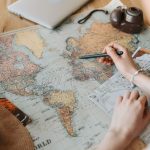
Introduction to Market Research Travel
Market research travel refers to the practice of businesses undertaking trips specifically to gather firsthand information and insights about markets, customers, competitors, and industry trends. Unlike regular business trips focused on meetings or sales, travel for research involves a deliberate effort to collect real-world data that can influence strategic decisions. This type of travel enables companies to observe consumer behavior in natural settings, conduct face-to-face interviews or surveys, and explore new market opportunities in different locations.
The importance of market research travel lies in its ability to provide authentic, qualitative, and quantitative insights that cannot always be captured through remote methods or secondary data sources. By physically visiting target markets, businesses gain a deeper understanding of cultural, economic, and environmental factors that impact buying decisions. This real-world data helps companies tailor their products, services, and marketing strategies more effectively, reducing risks associated with misinformed assumptions.
Moreover, market research travel fosters stronger relationships with customers, partners, and stakeholders through direct interactions. These trips often uncover nuanced details and emerging trends that digital analytics alone might miss. For businesses looking to expand geographically or launch new products, travel for research is a critical investment that supports more informed, confident decision-making. It bridges the gap between theoretical market analysis and practical customer needs, giving companies a competitive edge in today’s dynamic marketplace.
In summary, market research travel is a strategic approach where business trips are purposefully planned to gather valuable data from real-world environments. This approach not only enriches a company’s understanding of the market landscape but also empowers them to innovate and adapt based on direct observations and interactions. As markets evolve, travel for research remains an indispensable tool in the arsenal of forward-thinking businesses.
Definition and Scope
Market research travel refers to the purposeful journey undertaken by researchers and businesses to collect firsthand information directly from the field. This type of travel is crucial for obtaining authentic insights that cannot be gathered through secondary data sources or digital means alone. The scope of market research travel includes various forms of travel dedicated to understanding consumer behavior, product performance, and market conditions in real-world settings.
The primary types of market research travel include field research and customer visits. Field research involves traveling to specific locations where products or services are used or sold to observe and record relevant market data. This travel allows researchers to interact with the environment and context in which customers engage with a brand, facilitating a deeper understanding of market dynamics.
Customer visits, on the other hand, focus on direct engagement with clients or potential customers. These visits enable companies to conduct interviews, surveys, and feedback sessions, ensuring a personalized approach to gathering consumer insights. Both types of travel play a critical role in verifying market hypotheses, identifying unmet needs, and enhancing product development strategies.
Overall, market research travel encompasses all travel activities aimed at collecting valid, actionable data to support informed business decisions. Its scope spans various industries and markets, making it an indispensable element in comprehensive market research efforts.
Benefits of Market Research Travel
Conducting market research through travel offers several key benefits that significantly enhance the quality and depth of data collected. One of the primary advantages is improved data accuracy. When researchers travel to different locations, they can observe firsthand how products or services perform in diverse environments, eliminating biases or misinterpretations commonly associated with remote data collection. This direct engagement ensures that feedback and data are more reliable and reflective of real customer behavior.
Furthermore, travel enables researchers to gain richer customer insights. By interacting directly with customers in their cultural and social contexts, researchers can better understand their needs, preferences, and pain points. This immersion allows for nuanced observations that surveys or secondary data sources might miss. For example, body language, expressions, and environmental factors all contribute to a deeper understanding of consumer motivations.
Another notable benefit is the opportunity to discover emerging trends and unmet demands that might be invisible in a purely digital or local research approach. Traveling across markets exposes researchers to different consumer segments, competitive landscapes, and marketing approaches, providing a broader perspective that can inform more strategic business decisions.
In summary, market research travel empowers businesses with accurate and comprehensive data. It not only enhances data quality but also enriches customer insights, ultimately leading to better product development and targeted marketing strategies. These advantages make travel an invaluable tool for effective market research.
Planning and Executing Market Research Travel
Market research travel requires careful planning and execution to ensure that every trip yields valuable insights and maximizes return on investment. A well-structured market research travel plan can help streamline the process, mitigate risks, and improve the quality of data collected. Here are detailed steps and best practices to guide you through planning and executing effective market research travel trips.
- Define Clear Objectives: Begin by establishing the goals of your market research travel. Identify what specific information you need to gather, such as customer preferences, competitive analysis, or market trends. Clear objectives will guide your destination choices, interview targets, and overall itinerary.
- Develop a Detailed Travel Plan: Craft a comprehensive market research travel plan that includes destinations, dates, accommodation, transport options, and budget estimates. Schedule meetings, site visits, and interviews in advance to avoid last-minute hassles. Factor in local holidays and business hours to optimize your schedule.
- Prepare Research Materials and Tools: Equip yourself with all necessary research tools like surveys, recording devices, and note-taking apps. Create questionnaires and briefing materials tailored to each location. This preparation ensures that data collection during travel is efficient and structured.
- Coordinate with Local Contacts: Establish connections with local partners, guides, or agencies who can facilitate access to the target audience or specific sites. Their support can smooth logistical challenges and enhance cultural understanding, enriching your market research insights.
- Manage Timely Execution: Stick to the planned itinerary but remain flexible to adapt to unforeseen circumstances, such as weather disruptions or appointment changes. Effective time management during market research travel ensures that all key activities are completed within the allocated timeframe.
- Documentation and Data Backup: Record and document every interaction, observation, and finding meticulously. Back up all data daily to cloud storage or external drives to avoid loss. Organized documentation is critical for accurate analysis post-travel.
- Review and Reflect: After the travel, review the collected data against your objectives. Reflect on what worked well and identify areas for improvement to enhance the planning and execution of future market research travel plans.
By following these steps and best practices, you can create a robust market research travel plan that supports productive and insightful trips. Planning and execution are key pillars for unlocking the full potential of your market research efforts through travel.
Research Objectives and Travel Itinerary
Setting clear research objectives is essential for effective travel planning. Start by defining what specific data you need to collect and the key questions your research aims to answer. These objectives will guide your entire travel itinerary, ensuring that every destination and activity has a purpose related to your goals. Be precise about the outcomes you expect, whether it’s understanding market trends, consumer behavior, or competitor strategies.
Once you have established your objectives, design a travel itinerary that maximizes efficiency in data collection. Organize your trip to visit locations geographically close to each other to save time and reduce travel costs. Schedule meetings, interviews, or site visits during the most productive hours, and allow buffer time for unexpected opportunities or delays. Incorporate breaks strategically to maintain energy and focus throughout the journey.
Integrate technology and tools to keep track of your objectives and itinerary seamlessly. Use apps for note-taking, scheduling, and data recording to ensure all collected information is organized and accessible. By aligning your travel itinerary directly with your research objectives and planning every detail carefully, you enhance the quality and quantity of data gathered during your trip, making your market research travel both productive and insightful.
Tools and Technology for Market Research Travel
To enhance the effectiveness of market research travel, leveraging the right tools and technology is essential. Mobile research apps are indispensable for collecting data on the go, allowing researchers to conduct surveys, take notes, and capture responses directly from participants without relying on paper forms. These apps often come with features such as offline access, custom survey creation, and real-time data synchronization, making the data collection process seamless and efficient.
Recording devices play a crucial role in accurately capturing interviews and focus group discussions. Digital voice recorders or smartphone recording apps ensure that no valuable information gets lost, allowing researchers to revisit conversations and extract detailed insights. Additionally, transcription software integrated with these recordings can save significant time and improve data analysis quality.
GPS technology is another vital tool that enhances the precision of market research travel. By tracking locations and movements, GPS devices help map out participant demographics and behaviors with geographic relevance. This spatial data can offer invaluable perspectives on consumer preferences and local market trends that might be missed otherwise.
Combining these tools—mobile research apps, recording devices, and GPS—creates a robust technological framework that streamlines the research process. It ensures accurate data collection, improved efficiency in the field, and richer insights, making market research travel more productive and insightful than ever before.
Challenges and Solutions in Market Research Travel
Market research travel often presents unique challenges that can impact the effectiveness and efficiency of data collection. Understanding these challenges and implementing practical solutions is essential for successful outcomes in market research travel projects.
One common challenge is logistical complexity. Coordinating travel schedules, accommodations, and local transportation can be time-consuming and costly. To address this, detailed planning and the use of reliable travel management tools can streamline the process, reducing delays and unexpected expenses.
Language barriers and cultural differences also pose significant issues during market research travel. Miscommunication can lead to inaccurate data or misunderstandings with participants. Hiring local interpreters or cultural consultants helps bridge communication gaps and ensures that research objectives are clearly conveyed and understood.
Another challenge is data security and confidentiality, especially when handling sensitive information in unfamiliar environments. To safeguard this data, it’s important to use encrypted devices and secure internet connections, alongside strict adherence to privacy protocols.
Travel fatigue and time zone adjustments can affect the performance of research teams, leading to decreased productivity. Scheduling adequate rest periods and acclimatization time in the itinerary can help maintain researchers’ focus and energy.
Unforeseen local issues, such as political unrest or natural disasters, might disrupt travel plans. Monitoring local news and having contingency plans, like flexible bookings or alternative locations, can minimize the impact of such disruptions on market research travel.
In conclusion, addressing challenges through proactive solutions is key to overcoming market research travel issues. Effective planning, cultural sensitivity, data security measures, and flexible strategies contribute to successful and reliable market research outcomes.
Logistical and Cultural Challenges
When embarking on market research travel, understanding and overcoming logistical and cultural barriers is crucial for achieving successful outcomes. Scheduling is one of the primary logistical challenges—coordinating meetings across different time zones, aligning availability with local partners, and accounting for transportation delays can disrupt carefully planned itineraries. Such delays may lead to missed opportunities and unreliable data collection.
In addition to scheduling complexities, cultural barriers pose significant travel challenges. Differences in communication styles, social norms, and business etiquette can lead to misunderstandings or reduced cooperation from local participants. For instance, certain cultures may favor indirect communication or place high value on building personal relationships before engaging in formal discussions. Failure to respect these norms can hinder trust and rapport, ultimately affecting the quality of market insights.
Mitigating these travel challenges requires proactive strategies. Detailed logistical planning, including buffer times for unexpected delays and flexible scheduling options, helps navigate time zone and transportation issues efficiently. Engaging cultural liaisons or local guides familiar with regional customs can bridge cultural gaps and ease interactions. Additionally, conducting preliminary cultural research and showing respect for local traditions fosters goodwill and smoother collaboration during fieldwork. By addressing both logistical and cultural hurdles, market researchers can optimize travel outcomes and gather more accurate, comprehensive data.
Data Quality and Ethical Considerations
Maintaining high data quality during market research travel is essential for delivering reliable insights. To ensure data quality, it is important to carefully design research instruments, conduct thorough training for field researchers, and implement consistent data collection protocols. Accurate and precise data capture prevents errors that could compromise the results and ensure that the findings reflect true market conditions.
Equally important are the ethical considerations that underpin responsible market research. Researchers must respect participant confidentiality and obtain informed consent, making sure that respondents are fully aware of the purpose of the study and how their data will be used. Ethical standards promote trust and uphold research integrity, minimizing bias and avoiding any actions that could harm participants or distort findings.
During travel engagements, these principles require vigilance as researchers operate in diverse cultural environments. Sensitivity to local customs, transparent communication, and compliance with legal and ethical guidelines contribute to the credibility of the research process. By prioritizing both data quality and ethics, organizations can produce trustworthy outcomes that provide valuable market intelligence while honoring the rights and dignity of all participants involved.

I love spotting the intersection between business strategy and travel experiences. When I’m not planning my next trip, I enjoy writing about how entrepreneurs can turn journeys into growth opportunities.