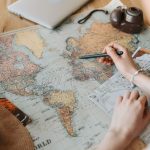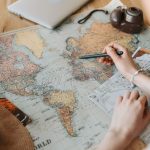
Creating a realistic schedule is another important step. Block out time not only for your meetings but also for preparation and follow-up tasks. This enables you to meet deadlines efficiently without feeling rushed. Don’t forget to confirm meeting times, locations, and participants beforehand to mitigate unexpected delays.
During your trip, stay proactive by reviewing your notes daily and updating your to-do list based on meeting outcomes. This helps ensure all business deliverables remain on track and any required actions are addressed promptly. Leveraging mobile tools and apps to manage these tasks can enhance your ability to stay organized and responsive.
By adopting a structured approach to meeting preparation and deliverable management, you can significantly boost your travel productivity. This careful planning not only supports successful meetings but also contributes to achieving your overall business goals efficiently.
Optimizing Travel Time for Work
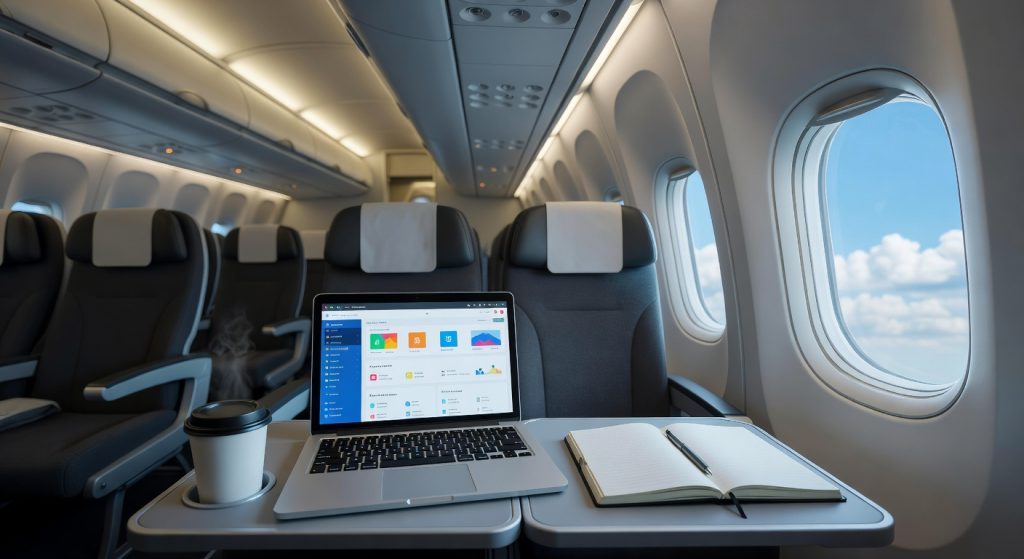
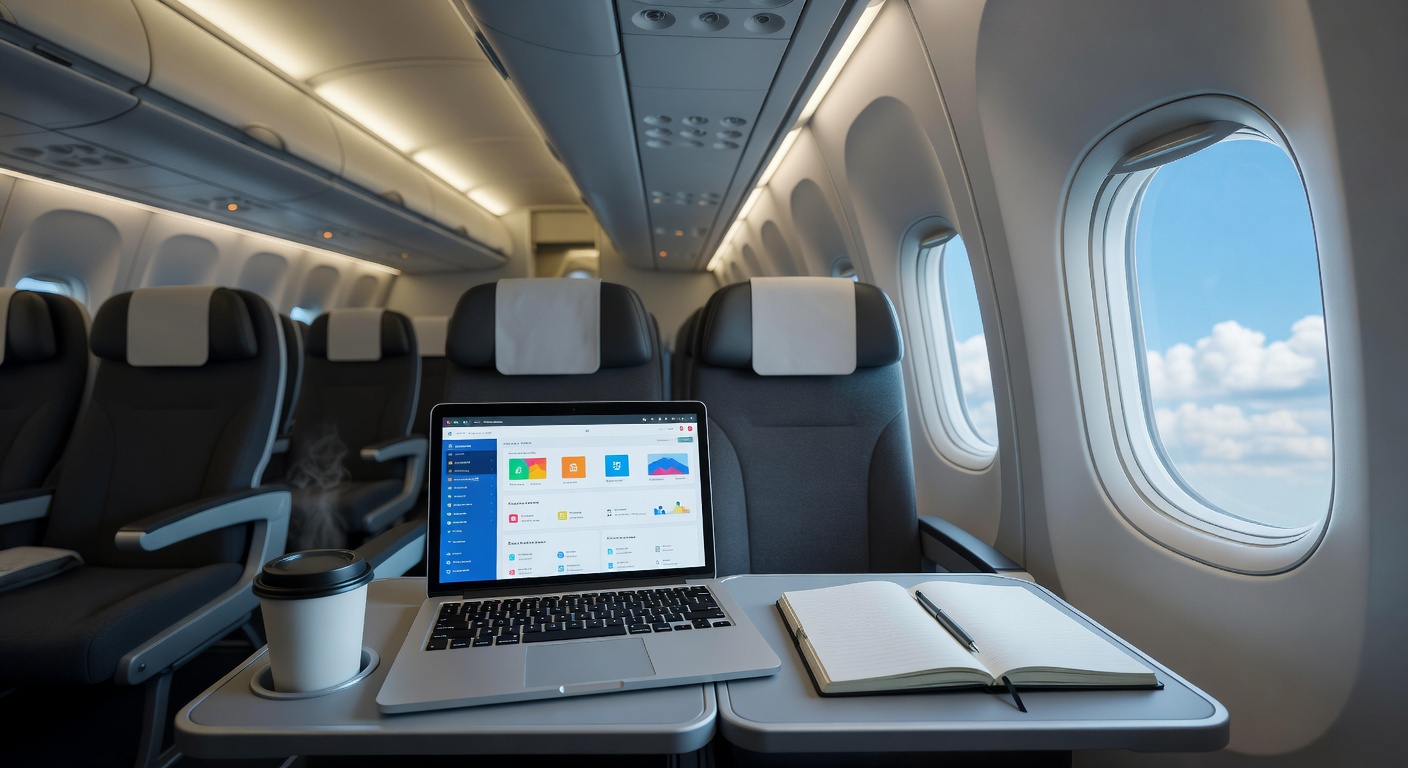
Travel time productivity is essential for business travelers who want to make the most of every moment on the move. Whether you are on flights, trains, or stuck in waiting periods, there are practical ways to work on the go and ensure efficient travel usage. First, prepare a mobile work kit with all the necessary tools and devices to keep you productive during transit. This might include a lightweight laptop, noise-canceling headphones, a portable charger, and reliable internet access through a mobile hotspot.
During flights, take advantage of offline work opportunities such as reviewing reports, drafting emails, or brainstorming ideas that don’t require internet connectivity. Trains often provide a more relaxed environment and sometimes stable Wi-Fi, making them perfect for collaborative tasks, video calls, or accessing cloud-based documents. For waiting periods at airports or stations, use this time to organize your schedule, catch up on industry reading, or set goals for your trip.
Efficient travel usage also means managing your energy and focus. Schedule demanding tasks for when you are most alert and save lighter work for times when your concentration might dip. Use technology to sync your tasks to cloud services so you can pick up right where you left off, no matter the device or location. By turning usually idle travel time into productive work sessions, you improve overall outcomes and maximize your business travel impact.
Essential Strategies to Boost Productivity During Business Travel
Maintaining business travel productivity can be challenging, but with the right strategies, you can stay efficient and ahead of your tasks even while on the move. One of the foremost travel planning tips is to prepare thoroughly before your trip. This includes organizing your documents, setting clear goals for your travel days, and ensuring that all your digital tools, such as laptops and mobile devices, are fully charged and equipped with the necessary software and files. Preparation reduces downtime and stress, allowing you to focus on your work.
Time management is crucial when traveling for work. Create a realistic itinerary that balances meetings, travel time, and breaks. Utilize travel time effectively; for instance, use flights or train rides for tasks that do not require internet access, such as drafting reports or reading important documents. For tasks requiring internet, identify reliable Wi-Fi spots in advance or use mobile hotspots to avoid connectivity interruptions. This approach ensures you maximize your productive time and avoid unnecessary delays.
Another best practice is to prioritize your workload. Identify the most important tasks that need immediate attention and tackle those first. This prioritization helps you avoid feeling overwhelmed and ensures key objectives are met no matter how hectic your travel schedule gets. Additionally, apply the two-minute rule: if a task will take less than two minutes, do it immediately to keep your to-do list manageable.
Pack smart for efficient work travel by including noise-canceling headphones, portable chargers, and any accessories that aid concentration and comfort. Being equipped with these tools can significantly reduce distractions and boost your focus, whether you are working in an airport lounge or a hotel room. Lastly, make time for rest and self-care to maintain your energy levels; productivity is not just about work but also about balancing mental and physical well-being.
Planning and Scheduling for Success
Careful travel scheduling is essential to maximize productivity during business trips. By planning your itinerary in advance, you can effectively manage your time and minimize downtime that often comes with travel. This approach reduces stress and allows you to stay focused on important tasks.
Effective trip planning involves setting clear goals for each day and aligning your meetings and activities accordingly. Prioritize urgent tasks and allocate specific time slots for work, rest, and transit, which helps maintain a balanced schedule. Utilizing travel scheduling tools or apps can simplify this process, ensuring you stay on track without missing critical deadlines.
Time management during travel is crucial as delays and unexpected events can disrupt your plans. Having a flexible schedule with contingency options helps you adapt quickly without losing valuable work hours. Planning ahead also allows you to identify quiet periods—for example, during flights or waiting times—where you can focus on emails, strategy planning, or learning new skills.
In summary, well-thought-out trip planning and strategic time management minimize wasted time and reduce stress. This ensures that every minute spent traveling translates into productive work, giving you a competitive edge and a smoother travel experience overall.
Leveraging Technology on the Road
In the realm of business travel, staying productive while on the go hinges largely on leveraging the right business travel tech. From seamless communication to efficient task management, various productivity apps and remote work tools empower business travelers to maintain workflow continuity regardless of their location.
Communication apps like Slack and Microsoft Teams are essential for instant messaging, video conferencing, and collaboration with colleagues and clients worldwide. These platforms ensure that distance does not hinder teamwork or decision-making processes. To keep important files accessible, cloud storage solutions such as Google Drive and Dropbox allow travelers to securely store and share documents from anywhere.
For managing schedules and deadlines on the move, calendar apps like Google Calendar and productivity suites like Microsoft Office 365 help keep meetings, appointments, and tasks organized. Additionally, remote work tools such as VPNs provide secure access to company networks, protecting sensitive information without compromising convenience.
Expense tracking apps like Expensify streamline reporting and reimbursement processes, reducing administrative burdens often associated with travel. Time management apps like Toggl track work hours efficiently, helping travelers optimize their workflow. Ultimately, embracing these business travel tech solutions enhances productivity, allowing professionals to focus on their core tasks even while navigating the challenges of travel.
Managing Work-Life Balance While Traveling for Business
Balancing work-life demands during business travel can be challenging but is essential to maintain productivity and overall well-being. Travel often brings its own stresses—from tight schedules to unfamiliar environments—which can quickly lead to business travel stress if not managed properly. To avoid burnout, it is crucial to adopt healthy travel habits that support both your professional obligations and personal health.
One effective approach to maintaining work-life balance while on the road is to set clear boundaries between work hours and personal time. This means dedicating specific blocks of your day strictly for professional tasks, and just as importantly, allocating time to unwind and focus on your well-being. Avoid the temptation to check emails or take calls outside of your designated working hours to give your mind a break from business pressures.
Incorporating healthy travel habits is another vital component. Prioritize regular exercise, even if it’s just a short walk or a quick workout session at the hotel gym. Physical activity can reduce stress, boost energy, and improve mental clarity, all of which are essential during demanding business trips. Additionally, focus on eating balanced meals and staying hydrated to keep your body fueled and resilient throughout the day.
Another strategy involves planning some downtime to engage in activities that relax and recharge you. Whether this means reading a book, meditating, or exploring a new city briefly, these moments can help restore your mental and emotional balance. Recognizing the importance of rest and recovery will enable you to meet professional demands more effectively without sacrificing your health.
Finally, staying connected with family or friends during business travel can provide emotional support and a sense of normalcy. Simple check-ins or sharing experiences can counterbalance the isolation that sometimes comes with frequent travel. In summary, a proactive approach that combines clear boundary-setting, healthy travel habits, planned downtime, and social connection can significantly reduce business travel stress and promote a sustainable work-life balance.
Healthy Habits for Frequent Travelers
Maintaining travel health tips is essential for wellness on the road, especially for those who frequently travel for business. One of the most important habits is to incorporate fitness during travel. Simple exercises such as stretching, walking, or bodyweight workouts can be done in your hotel room or during breaks. This keeps your muscles active and boosts your energy levels.
Nutrition plays a crucial role in sustaining your health while traveling. Opt for balanced meals rich in fruits, vegetables, lean proteins, and whole grains to fuel your body and maintain focus. Avoid excessive caffeine and sugary snacks that may cause energy crashes. Staying hydrated by drinking plenty of water is equally important to help fend off fatigue and jet lag.
Sleep routines often get disrupted due to changing time zones and busy schedules. To improve sleep quality, try to keep a consistent bedtime and create a restful environment by limiting noise and light. Using earplugs, an eye mask, or a white noise app can aid in better rest. Prioritizing at least 7 hours of sleep per night will enhance your productivity and mental clarity.
By integrating these travel health tips into your routine, you’ll experience enhanced wellness on the road, making each business trip more effective and less stressful. Remember, fitness during travel, balanced nutrition, and quality sleep are the foundations of staying healthy and productive while away from home.
Techniques to Reduce Travel-Related Stress
Managing stress is crucial for business travelers to sustain focus and energy throughout their trips. Below are effective relaxation techniques and stress management strategies designed to combat travel anxiety and promote well-being during business travel.
| Technique | Description | Benefits |
|---|---|---|
| Deep Breathing Exercises | Practicing slow, deep breaths to calm the nervous system and reduce tension. | Reduces anxiety, lowers heart rate, and improves mental clarity. |
| Progressive Muscle Relaxation | Systematically tensing and relaxing muscle groups to relieve physical stress. | Decreases muscle tension and promotes overall relaxation. |
| Mindfulness Meditation | Focusing attention on the present moment to reduce worries and negative thoughts. | Enhances concentration and emotional resilience during travel. |
| Light Exercise or Stretching | Engaging in gentle movement or stretches to release physical fatigue. | Boosts circulation and alleviates stiffness from prolonged sitting. |
| Listening to Calming Music | Using soothing sounds to create a peaceful environment aboard planes or hotels. | Helps lower stress hormones and promotes relaxation. |
By integrating these stress management and relaxation techniques into their routine, business travelers can effectively manage travel anxiety, maintain productivity, and arrive refreshed for their meetings and work commitments.
Maximizing Efficiency During Business Trips
Ensuring travel efficiency during business trips is crucial to making the most out of your time on the road. Productive business trips require a well-planned approach including the use of specific tips and tools that can help optimize every aspect of your journey.
One key factor to boosting travel efficiency lies in workspace optimization. Before your trip, consider carrying portable and lightweight office tools like compact laptops, wireless keyboards, noise-canceling headphones, and a portable Wi-Fi hotspot. Setting up a dedicated workspace at your hotel or even during transit — such as on the plane or in a lounge — will help you stay focused and get important tasks done without distractions. Organizing your digital files ahead of time, ensuring your devices are fully charged, and having easy access to cloud storage platforms can also save valuable time.
Meeting preparation is another essential element of productive business trips. Prior to your meetings, review agendas, important documents, and key points you want to discuss. Utilize apps that support meeting notes, shared calendars, and reminders to keep you on track. Confirm appointment times and locations, and factor in travel time to avoid delays. Being well-prepared allows you to engage more effectively during discussions and demonstrates professionalism.
Additionally, leveraging specific time-saving travel tips can further enhance your efficiency. Prioritize packing smartly by using packing cubes and limiting yourself to essentials, which reduces check-in times and baggage hassles. Booking direct flights and using fast-track services at airports can cut down waiting periods. Also, schedule downtime strategically to recharge without losing momentum in your workflow.
Incorporating productivity apps like task managers, expense trackers, and communication platforms keeps all your business trip essentials organized and accessible. Whether you’re coordinating with colleagues remotely or managing your itinerary, these tools provide seamless support, letting you focus on important business objectives instead of logistics.
By combining workspace optimization, thorough meeting preparation, and smart travel strategies, you can maximize efficiency during every business trip. These approaches not only help ensure productive business trips but also transform your travel experience into a smoothly managed, time-efficient venture.
Preparing for Meetings and Deliverables
Effective meeting preparation is crucial for maximizing travel productivity during business trips. Before your trip, thoroughly review the agenda and objectives of each meeting. Gather all necessary materials, reports, and business deliverables in advance to avoid last-minute scrambling. Organize digital files and hard copies so they are easily accessible, allowing you to reference key information promptly.

I love spotting the intersection between business strategy and travel experiences. When I’m not planning my next trip, I enjoy writing about how entrepreneurs can turn journeys into growth opportunities.