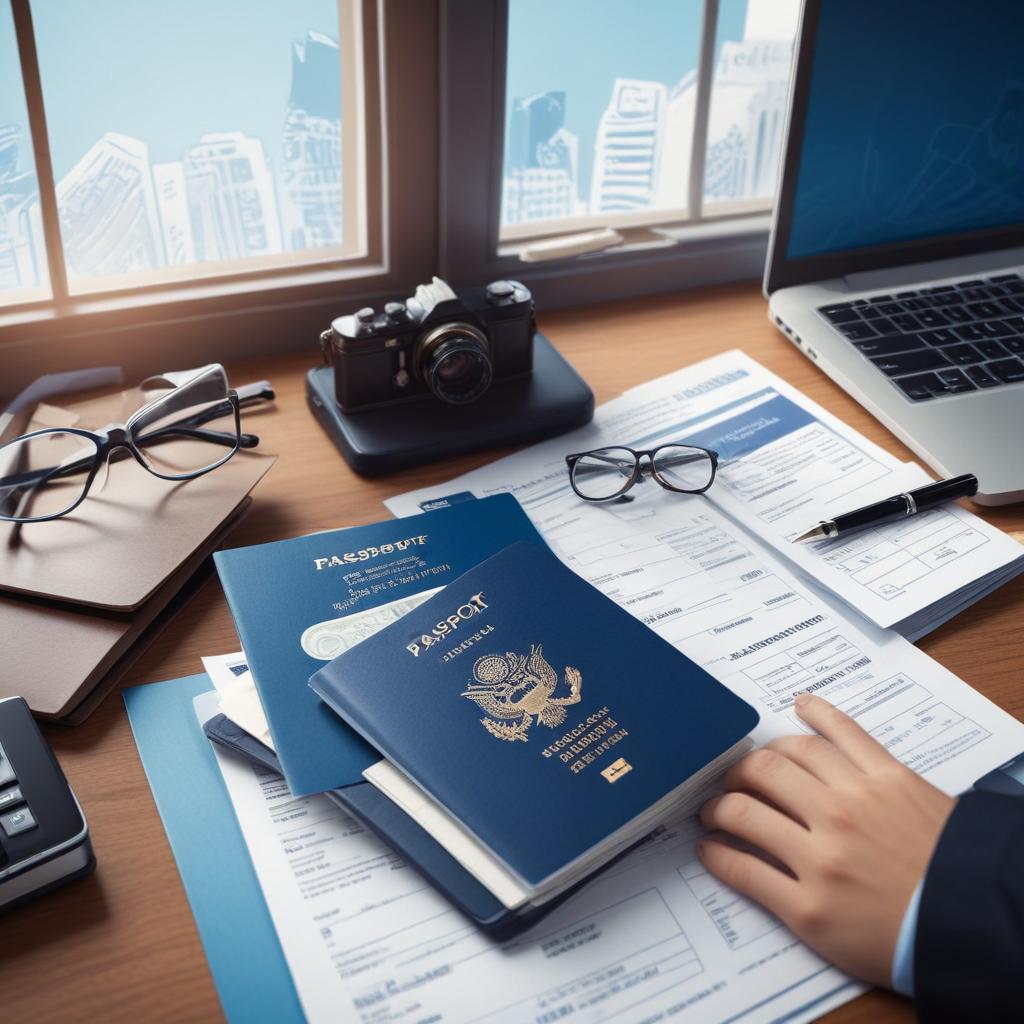
Overview of Business Visa Requirements
A business visa is a special type of visa granted to individuals who intend to enter a foreign country for business-related activities. Unlike tourist visas, a business visa focuses on facilitating trade, investment, attending meetings, conferences, and other professional engagements. The primary purpose of a business visa is to allow the visa holder to carry out commercial activities without seeking permanent residence or employment in the host country.
Understanding the business visa overview is essential for prospective travelers who look to comply with the entry requirements of their destination country. Most nations have a clear set of eligibility criteria and documentation standards that must be met before issuing a business visa. Although these can vary from one country to another, there are common factors that applicants usually need to satisfy.
Eligibility generally depends on the applicant’s purpose of visit, employment status, and financial stability. Business visas are typically issued to entrepreneurs, company representatives, investors, and sometimes freelance professionals engaged in international trade. Often, applicants must prove their association with a legitimate company or organization either through employment contracts, business licenses, or letters of invitation from the host country’s business partners.
The basic documentation needed to apply for a business visa typically includes a valid passport, completed visa application form, recent passport-sized photographs, and proof of financial means to support the stay. Additionally, applicants must submit an official invitation letter from the business partner or conference organizer in the destination country. It is also common to provide evidence of previous business trips, detailed travel itinerary, and sometimes, proof of accommodation.
Meeting these entry requirements ensures a smoother visa approval process and minimizes the risk of denial at the border. Prospective travelers are advised to thoroughly research specific business visa conditions for their destination country and gather all necessary documents before submitting their application. By adhering to these guidelines, applicants can focus on their business engagements with peace of mind and legal certainty.
Types of Business Visas
When engaging in international business travel, understanding the various visa types is essential for seamless entry and compliance. Business visa categories are designed to accommodate different lengths and purposes of stay, each serving unique needs.
Short-term business visas typically allow stays ranging from a few days to several months. These visas are ideal for brief visits such as attending meetings, conferences, or negotiating contracts. They usually do not permit any form of employment, focusing solely on business activities like consultations or training.
Long-term business visas cater to professionals who need to stay in a country for extended periods, sometimes up to a year or more. These visas are commonly issued to entrepreneurs, investors, or company managers requiring ongoing presence. They may offer the holder greater flexibility, such as the possibility to renew or transition to other visa types.
Multiple-entry business visas offer convenience for frequent travelers conducting business across various countries or making repeated trips to the same country. These visas allow holders to enter and exit the country multiple times within a specified period, often up to several years, facilitating ongoing business operations without the need for repeated visa applications.
Choosing the right visa type depends on the purpose, duration, and frequency of business travel. Understanding the distinctions between short-term, long-term, and multiple-entry options helps business professionals stay compliant and focus on their international ventures.
Common Eligibility Criteria
When applying for a business visa, meeting the eligibility criteria is crucial for a successful application. Typically, applicants must demonstrate stable employment status or be actively engaged in business activities, which reassures authorities of their professional intent. An essential element of the visa requirements is an official invitation letter from a recognized company or organization in the destination country; this serves as proof of the purpose and legitimacy of the visit.
Financial proof is another key criterion, as it shows that the applicant has sufficient funds to cover travel, accommodation, and daily expenses without risking overstaying or unlawful employment. This evidence might include bank statements, sponsorship letters, or other documented financial guarantees. Additionally, clear intent of travel must be demonstrated, ensuring that the visitor plans to return to their home country after their business engagements. This intent is often validated through ties such as property ownership, family connections, or ongoing employment commitments.
Together, these eligibility and application criteria help immigration officers assess each case thoroughly, ensuring that applicants meet the necessary standards for entry. By providing comprehensive and accurate documentation covering employment status, invitation letters, financial capability, and travel intent, applicants increase their chances of obtaining the required business visa without delays or refusals.
Required Documentation for Business Visa Applications
- Valid Passport: Your passport must be valid for at least six months beyond the planned stay, with at least two blank pages for visa stamps. Authenticity here is critical as an expired or damaged passport will lead to application rejection.
- Completed Visa Application Form: Fill out the required forms accurately and completely. Ensure all information matches your supporting documents to avoid delays or denials.
- Passport-Sized Photographs: Recent and compliant photos (usually two) must meet the specifications stated by the consulate or embassy, such as size, background color, and photo quality.
- Proof of Business Purpose: Documentation showing the reason for your visit, such as an invitation letter from a host company, a business contract, or conference registration. These must be official and verifiable to confirm the application’s legitimacy.
- Financial Evidence: Bank statements, sponsorship letters, or proof of financial means to support your stay. Authentic and up-to-date financial documents assure the visa officer of your ability to cover expenses during the visit.
- Travel Itinerary and Accommodation Details: Confirmed flight bookings and hotel reservations or a letter of accommodation. Complete and authentic travel arrangements help demonstrate the planned duration and purpose of the business trip.
- Employer’s Letter: A formal employment verification letter stating your position, purpose of travel, and the guarantee of your return. This establishes your ties to your home country and business intentions abroad.
- Additional Supporting Documents: Depending on the destination country, additional paperwork like proof of previous business trips, visa fee payment receipts, or health insurance might be required. Ensure all these documents are genuine and thoroughly prepared.
Ensuring the completeness and authenticity of your business visa documents is paramount. Missing or incorrect paperwork can cause delays or outright denial of your application. Double-check that all required forms and supporting materials are accurate, properly signed, and current before submission. Preparing a well-organized application packet not only meets consulate requirements but enhances your credibility as a legitimate business visitor.
Proof of Business Activities
When applying for a business visa, providing adequate business proof is crucial. One of the primary documents to include is an invitation letter from the host company in the destination country. This letter should clearly state the purpose of the visit, the relationship between the parties, and the duration of the stay. It serves as a confirmation that the applicant has a legitimate reason to conduct business activities abroad.
Additionally, company documents such as business registration certificates, tax identification numbers, and proof of ownership are often required. These documents verify that the applicant is affiliated with a bona fide business entity and highlight the legitimacy of the business trip. Including such documents helps establish trust with immigration authorities and supports the application by demonstrating the applicant’s professional background.
Itinerary details, including scheduled meetings, conferences, or trade shows, should also be provided. A detailed itinerary outlining the business activities planned during the visit helps visa officers understand the nature and scope of the trip. It is beneficial to attach confirmation emails or appointments related to these events as additional evidence.
In summary, to meet business visa requirements, applicants must submit a combination of business proof documents such as invitation letters, official company paperwork, and a clear itinerary of business engagements. These documents collectively affirm the purpose of the trip and bolster the application’s credibility.
Personal Identification and Financial Documents
Submitting valid passports and recent photographs is crucial when applying for a business visa, as these documents serve as the primary proof of your identity. A valid passport ensures that you are recognized by immigration authorities and can legally travel to the destination country. Recent photographs help to match your current appearance with the identification documents, reducing the risk of identity fraud.
Financial proof, such as bank statements, plays an equally important role by demonstrating your ability to support yourself financially during your stay. These documents reassure immigration officials that you have sufficient funds to cover travel expenses, accommodation, and other costs, minimizing the risk of overstaying or illegal employment. Bank statements must be recent and clearly show consistent financial activity to be accepted.
Other personal verification documents may include identity cards, tax returns, or employment letters, which further substantiate your identity and financial stability. Providing a comprehensive set of identity documents helps to streamline the visa approval process and reduces delays. Ensuring all these documents are authentic, up-to-date, and clearly presented significantly increases your chances of obtaining a business visa without complications.
Tips for a Successful Business Visa Application
When applying for a business visa, following certain visa application tips can significantly increase your chances of success. The key to a successful visa lies in providing accurate information, submitting your application on time, and presenting your documents professionally.
First and foremost, accuracy is essential. Carefully complete all application forms, ensuring every detail matches your supporting documents. Inconsistencies or errors can lead to delays or even rejection. Double-check personal data, travel itineraries, and business details to avoid mistakes. Using a checklist might help maintain completeness and precision throughout the process.
Timely submission is another crucial factor in a successful visa application. Begin the process well in advance of your planned travel dates to allow for thorough preparation and any unforeseen issues. Visa processing times vary, so applying early ensures enough buffer time for additional documentation requests or interview scheduling. Waiting until the last minute can jeopardize your entire trip.
Moreover, the professional presentation of your application can make a strong impression. Organize your documents neatly and logically, using clear labels and order. Include a cover letter summarizing your business purpose, travel plans, and ties to your home country. This helps consular officers quickly understand your situation and intentions. Avoid submitting unnecessary papers that might confuse or clutter the review process.
Additional application advice centers on understanding the specific requirements of the country you are applying to. Different destinations may request unique documents such as invitation letters, proof of business relationships, or evidence of financial stability. Research the official embassy website thoroughly and consult with reliable sources to fulfill all criteria correctly.
Maintaining openness and honesty throughout your business visa application can also positively influence the outcome. If questioned during an interview or in written form, respond clearly and truthfully. Demonstrating genuine intent and professionalism reflects well on your credibility as an applicant.
By adhering to these visa application tips and best practices—accuracy, timely submission, and professional presentation—you reinforce your position as a reliable candidate. This thoughtful preparation ultimately boosts the likelihood of obtaining a successful visa and ensures a smoother journey for your business endeavors.
Common Mistakes to Avoid
One of the most frequent application mistakes that lead to visa denial is submitting incomplete forms. Applicants often overlook mandatory fields or fail to provide detailed responses, which can result in delays or outright rejection. To prevent this, carefully review the application checklist and double-check every section before submission.
Inconsistent information is another common issue. When the data on your application does not match supporting documents or previous visa records, it raises red flags with immigration officers. Avoid this by verifying that all personal details, travel plans, and employment history are consistent across all submitted materials.
Missing documents often cause significant setbacks. Essential papers like invitation letters, financial statements, or proof of business ties must be included as specified in the visa requirements. Make a comprehensive document list and cross-verify it to ensure nothing is left out. Early preparation is key to error prevention, reducing the risk of visa denial and making the application process smoother and more efficient.
Additional Resources and Help
When navigating the business visa application process, having access to reliable visa assistance can make a significant difference. One of the best starting points is to contact the embassy or consulate of the country you plan to visit. They provide up-to-date information on visa requirements, processing times, and application help. Embassy websites often include downloadable forms, FAQs, and contact details for further inquiries.
Official government websites are another invaluable resource. These sites offer comprehensive guides on visa policies, application procedures, and eligibility criteria. They also provide announcements regarding any changes in visa regulations or travel advisories, helping applicants stay informed and prepared.
For tailored support, visa consultation services can assist applicants by reviewing documents, offering personalized advice, and ensuring all paperwork meets the necessary standards. These professional services can streamline the application process and reduce the risk of delays or rejections.
Combining embassy contacts, government resources, and expert visa assistance ensures that applicants receive the most accurate and timely information. Utilizing these resources effectively can simplify the complex visa process and enhance the chances of a successful business visa application.

I love spotting the intersection between business strategy and travel experiences. When I’m not planning my next trip, I enjoy writing about how entrepreneurs can turn journeys into growth opportunities.