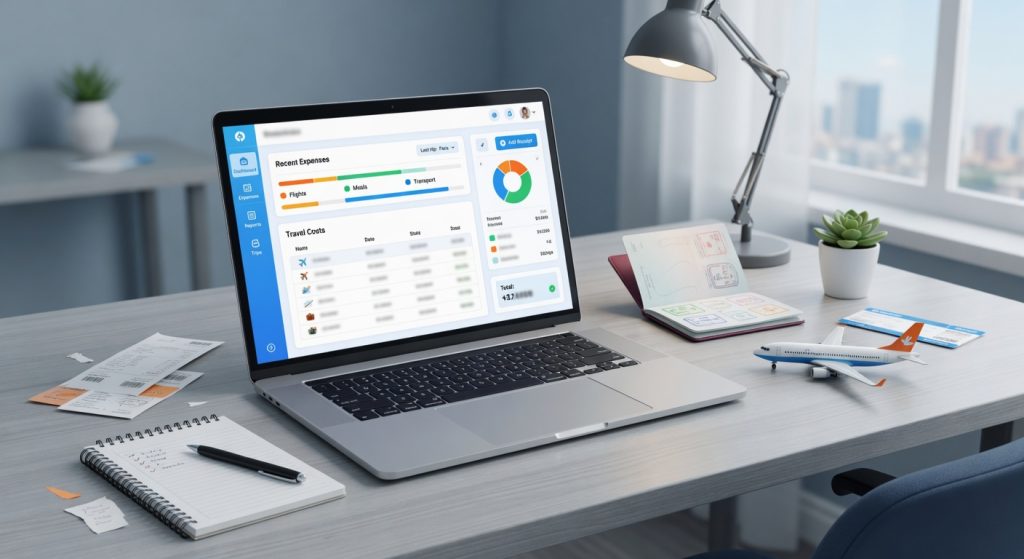
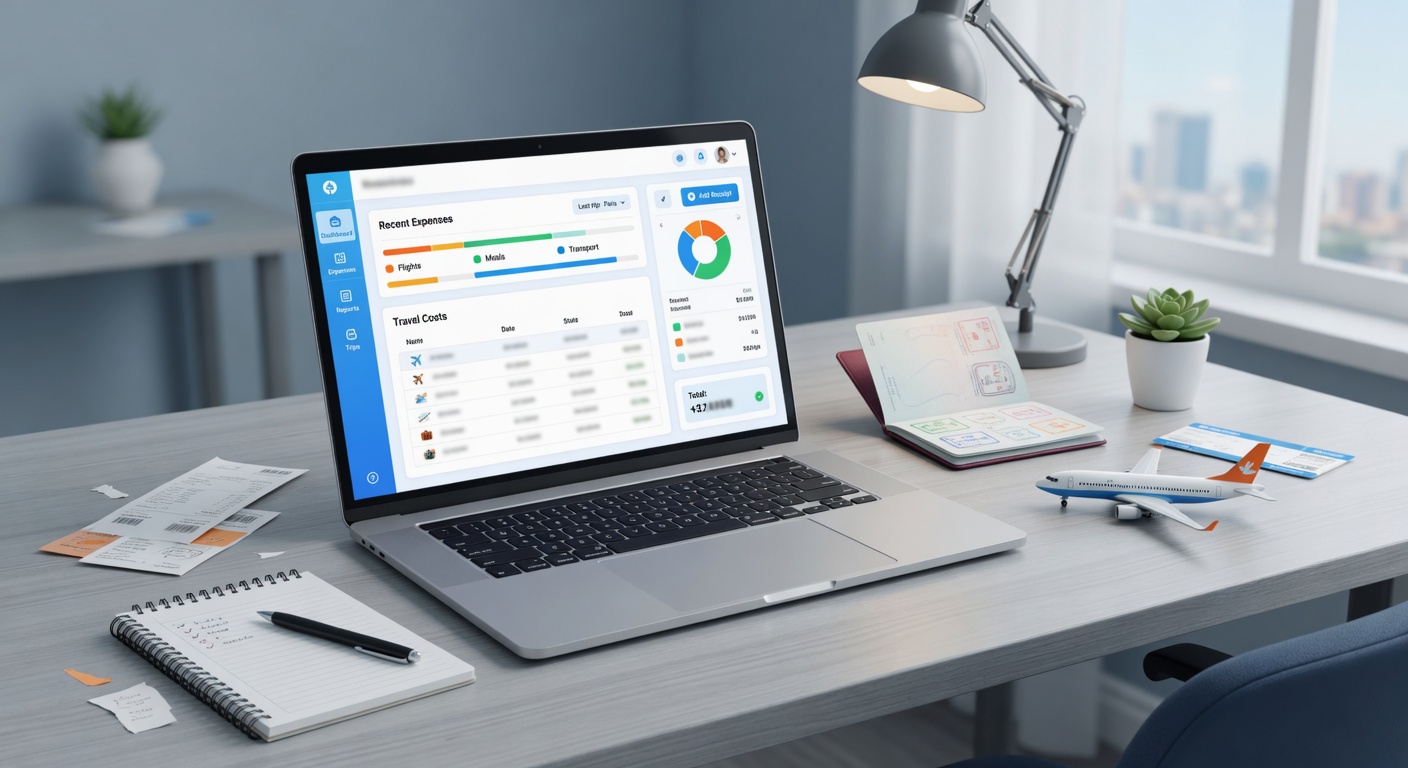
Overview of Expense Management Software for Travel
Expense management software tailored for travel is a specialized tool designed to simplify and automate the tracking, reporting, and reimbursement of travel expenses incurred during business trips. Managing travel expenses can often be complex due to varied costs such as transportation, lodging, meals, and incidental expenses. This software integrates seamlessly into business travel operations, streamlining the entire process from receipt capture to expense approval.
The primary purpose of expense management software for travel is to provide businesses with an efficient way to monitor travel expenses, reduce errors, and maintain compliance with company policies and tax regulations. By automating much of the manual work involved in expense tracking, it helps organizations save valuable time and resources while enhancing accuracy and transparency.
One of the key benefits of using expense management software is the ability to consolidate all travel-related expense data into a single platform. Employees can easily upload receipts using their mobile devices during or after their trips, ensuring timely and accurate expense reporting. Managers gain real-time visibility into travel expenditures, enabling better budgeting and financial forecasting.
Business travel tools integrated within these software solutions often include features like automatic currency conversion, mileage tracking, and policy compliance checks. This not only minimizes the risk of fraudulent claims but also helps employees adhere to corporate travel policies effortlessly. The software also accelerates the approval workflow, allowing faster reimbursements and improving employee satisfaction.
In today’s fast-paced business environment, expense management software designed for travel is an indispensable asset that enhances operational efficiency and financial control. It empowers organizations to gain detailed insights into travel expenses, optimize spending, and ultimately make smarter business decisions related to travel management. Overall, such software plays a crucial role in simplifying expense tracking and improving the financial health of businesses engaged in frequent travel activities.
Key Features of Travel Expense Management Software
Travel expense management software offers a range of essential features designed to streamline the way businesses handle travel-related expenses. One of the standout software features is automated expense capture, which allows users to effortlessly record expenses through scanning receipts or syncing credit card transactions, eliminating manual entry and reducing errors.
Real-time reporting is another critical component, providing managers and finance teams with up-to-the-minute insights into travel spending. This timely visibility helps in making informed budgeting decisions and ensures compliance with company policies. Receipt management is seamlessly integrated within these systems, enabling users to store, organize, and retrieve digital copies of receipts, which simplifies auditing and reimbursement processes.
Mobile app capabilities are increasingly important, allowing travelers to input expenses, capture receipts, and track spending directly from their smartphones while on the go. This flexibility ensures that expense data is accurate and up-to-date, improving overall efficiency. Additionally, integration with travel booking systems connects travel schedules and expense reports, automating data flow and reducing duplication of effort.
By combining these features—automated expense capture, real-time reporting, receipt management, mobile app accessibility, and travel booking system integration—travel expense management software provides a comprehensive solution that supports effective travel expense tracking and reporting.
Benefits of Using Expense Management Software for Travel
Businesses gain significant cost savings and time efficiency by adopting expense management software for travel. By reducing manual processing of expense reports and receipts, companies can streamline operations, freeing staff from time-consuming administrative duties. This automation not only speeds up the reimbursement cycle but also minimizes human errors that often result from manual entry.
Moreover, travel policy compliance is greatly improved with software-enforced guidelines and real-time monitoring. Employees are guided to adhere strictly to corporate travel policies, limiting unauthorized spending. This consistent enforcement supports better budget control and ensures that expenses align with company standards, reducing financial discrepancies.
Expense management software also plays a crucial role in fraud prevention by incorporating automated checks and validations. Suspicious or duplicate claims are flagged instantly, lowering the risk of fraudulent expense reports slipping through. This proactive approach secures company funds and reinforces accountability among travelers.
Finally, enhanced visibility into travel spending provides businesses with detailed insights and analytics. Decision-makers can track expenditure patterns, identify areas for cost optimization, and forecast future travel budgets more accurately. This transparency empowers companies to manage travel expenses more strategically, ultimately contributing to stronger financial health.
Choosing the Right Expense Management Software for Travel
When selecting the right expense management software for travel, businesses must consider several key factors to ensure the solution aligns perfectly with their needs. A thorough software comparison is essential, focusing on travel expense solutions that enhance efficiency and accuracy in managing travel-related costs.
Ease of use is a critical criterion. The software should have an intuitive interface that both employees and finance teams can navigate effortlessly. A complicated system could result in underutilization or errors in submitting and processing expenses. Look for platforms offering mobile apps or receipt capture features to make on-the-go expense tracking seamless for travelers.
Integration capabilities matter significantly in feature evaluation. The software should easily connect with existing tools, such as accounting software, travel booking systems, and corporate credit cards. These integrations streamline data flow, reduce manual entry, and provide a comprehensive view of travel expenses, helping businesses to maintain accurate financial records and insights.
Cost plays a crucial role in decision-making. Evaluating different pricing plans helps to find software that fits within budget constraints while delivering the necessary features. Some solutions offer tiered pricing based on the number of users or features included, so businesses should carefully compare what each plan offers against their travel volume and expense management needs.
Scalability is another important consideration. As a company grows, its travel and expense management needs evolve. The chosen software should be flexible enough to adapt to increasing transaction volumes, additional users, and expanded features without causing disruptions or requiring costly upgrades. This ensures long-term value and reduces the need for frequent software changes.
In summary, choosing the right travel expense management software requires a balanced evaluation of ease of use, integrations, cost, and scalability. By carefully comparing software options and matching their capabilities to specific business needs, companies can optimize their travel expense processes, reduce errors, and achieve better financial control.
Top Travel Expense Management Software Tools in 2024
- Concur Expense: Known for its seamless integration with travel booking tools, Concur Expense is praised for its comprehensive features including automatic receipt capture and policy compliance checks. User reviews highlight its user-friendly mobile app, making it one of the best software 2024 for on-the-go travel expense reporting.
- Expensify: This travel expense app is favored for its smart scanning technology and real-time expense reporting. Users appreciate its straightforward interface and strong customer support. Expensify is highly rated for its ability to simplify complex travel expense workflows effectively.
- Zoho Expense: Zoho Expense stands out with its cost-effective pricing and automation capabilities. Its integration with multiple accounting platforms and robust reporting tools receive positive user reviews, making it a top vendor choice for small to mid-sized businesses.
- Rydoo: Offering an intuitive user experience, Rydoo is popular for its fast expense approvals and multi-currency support. Users commend its travel booking and expense management fusion, which cuts down on administrative overhead and improves accuracy.
- Certify: Certify is known for its powerful analytics and automated expense report generation. User reviews emphasize its reliability and comprehensive customer service, securing its place among the best software 2024 for travel expense management.
Factors to Consider for Your Business Needs
When choosing expense management software for your business travel needs, several key factors must align with your business requirements. First, consider the size of your company and the volume of travel. Larger organizations or those with frequent travel will require software that can efficiently handle a high volume of transactions and provide scalability to grow alongside your business.
Customization is another important aspect to evaluate. Every business has unique processes, so selecting software that allows for tailored workflows and policies ensures the tool fits seamlessly into your existing operations. Integration capabilities are also critical — the software should easily connect with your current accounting and financial systems to streamline expense reporting and improve accuracy.
Finally, assess the availability and quality of support services. Reliable customer support can make a significant difference when troubleshooting issues or adapting the software to evolving business needs. Look for providers offering responsive support, training resources, and regular updates to help your company maximize the benefits of the expense management solution.
Best Practices for Managing Travel Expenses Effectively
To streamline travel expense management effectively, it is crucial to establish clear travel expense policies that set expectations for employees and guide them through the process. These policies should outline eligible expenses, reimbursement limits, required documentation, and submission deadlines. By clearly communicating these guidelines upfront, organizations can reduce confusion and encourage employee compliance.
Leveraging automation in expense reporting can significantly enhance efficiency and accuracy. Modern travel expense management software offers automated expense submission features, allowing employees to capture receipts, categorize expenses, and submit reports directly from their devices. This not only reduces manual entry errors but also speeds up the approval process, improving overall workflow.
Regular and thorough audit processes are essential to maintain compliance and prevent fraud. Automated systems enable managers to quickly review and verify submitted expenses against policy rules and company budgets. Setting up alerts for suspicious expenses or policy violations ensures timely intervention, helping to uphold financial integrity.
Promoting user adoption is a key factor in successfully implementing travel expense software. Providing comprehensive training and easy-to-access support resources helps employees understand how to effectively use the software. Encouraging feedback and continuously improving the system based on user experiences can boost compliance and maximize the benefits of automation.
By combining well-defined travel expense policies, automated expense reporting, robust audit procedures, and active user engagement, organizations can optimize their travel expense management. This integrated approach not only saves time and reduces errors but also ensures greater transparency and compliance across the company.
Implementing Travel Expense Policies with Software
Travel expense management software provides an efficient way to enforce travel policies and ensure organizational compliance. One of the core features is setting clear expense limits that restrict how much can be spent on various categories such as lodging, meals, and transportation. These limits help organizations control costs and prevent overspending by automatically flagging expenses that exceed predefined thresholds.
Beyond expense limits, the software enables customizable approval workflows tailored to the company’s travel policies. Employees submitting travel expenses can be routed through one or multiple approvers based on the amount or type of expense. This step ensures that every expense claim undergoes proper scrutiny before reimbursement, encouraging adherence to policy and preventing unauthorized spending.
Automated compliance checks are another critical component to ensure travel policy enforcement. The software scans submitted expenses for policy violations such as out-of-policy vendors, unapproved expense categories, or duplicate submissions. Alerts or automatic rejections help maintain strict compliance while reducing manual oversight efforts. By automating these processes, organizations minimize the risk of fraud and errors and streamline audit readiness.
In summary, travel expense management software enforces travel policies effectively through strategic implementation of expense limits, robust approval workflows, and continuous compliance automation – all of which contribute to better control, transparency, and cost-saving in corporate travel programs.
Leveraging Automation to Save Time and Reduce Errors
Automation benefits in expense management software revolutionize the way businesses handle travel expenses by significantly reducing the time and effort spent on manual tasks. One of the standout features is receipt scanning, which allows users to capture and upload images of their receipts instantly. This technology uses optical character recognition (OCR) to extract relevant data such as vendor names, dates, and amounts automatically, minimizing the risk of human errors that commonly occur during manual entry.
Automatic data extraction streamlines the entire process by pulling in accurate information directly from scanned receipts or invoices, removing the need for tedious data input. Expense categorization further enhances workflow optimization by intelligently assigning expenses to predefined categories based on keywords or past user behavior. This not only accelerates processing but also ensures consistent and accurate reporting, facilitating smoother audits and budgeting.
Workflow optimization plays a pivotal role in integrating these automation features, offering a seamless experience from receipt capture to approval and reimbursement. By leveraging automation, organizations can drastically reduce processing times, eliminate delays caused by manual review, and improve overall accuracy. This results in a more efficient expense management cycle, freeing up valuable employee time and resources to focus on core business activities rather than administrative tasks.

I love spotting the intersection between business strategy and travel experiences. When I’m not planning my next trip, I enjoy writing about how entrepreneurs can turn journeys into growth opportunities.