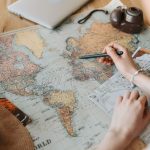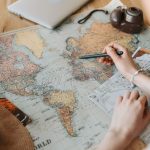
One key method for optimizing a travel budget is to prioritize advance booking, which often secures better rates on flights and hotels. Additionally, exploring alternatives like public transportation or ride-sharing services instead of taxis can significantly reduce travel costs. Small businesses should also consider per diem allowances to maintain predictable meal and incidental expenses.
Implementing company travel policies that encourage employees to seek out discounts, use corporate credit cards with travel rewards, and stay within budget limits further supports cost-saving efforts. Regularly reviewing and analyzing travel expenses enables adjustments to future budgets and identifies opportunities for improvement in small business finance management. Ultimately, strategic planning and the right tools empower businesses to travel smarter while safeguarding their financial health.
Choosing the Right Travel Destinations
When planning business travel, selecting the right travel destinations is crucial to maximize benefits and ensure productive outcomes. A thorough location analysis not only identifies market opportunities but also aligns with your company’s strategic goals. Evaluating potential destinations based on emerging business prospects helps you tap into new client bases and industries, making your trips more effective.
Meeting locations play a vital role in destination choice as well. Choosing venues that are convenient and equipped to handle business engagements can positively impact the quality and efficiency of meetings, conferences, or networking events. Accessibility is another key factor—destinations that are easily reachable via direct flights or efficient transportation reduce travel fatigue and time lost in transit, enhancing overall travel planning.
Other travel planning tips include considering local business climates, infrastructure, and support services available for travelers. Additionally, aligning travel destinations with cost considerations and travel policies ensures budget compliance without sacrificing opportunity. By weighing these factors carefully, businesses can strategically select travel destinations that open doors to new business opportunities while streamlining their travel experiences.
Travel Management Tips for Small Businesses
Efficient travel management is crucial for small businesses looking to maximize productivity and minimize costs during business trips. Implementing effective strategies for bookings, documentation, and expense tracking can streamline the travel process and enhance overall travel efficiency.
First, centralize travel bookings by using dedicated travel management tools or platforms designed specifically for small business travel. This approach not only saves time but also helps maintain control over travel expenses and policies. Encourage employees to book through a centralized system to ensure compliance with company travel guidelines and to have clear oversight on travel activities.
Next, keep all travel documentation organized and easily accessible. This includes passports, visas, tickets, hotel confirmations, and meeting schedules. A shared digital folder or travel app that syncs with employee devices can prevent last-minute scrambling and reduce the risk of misplaced documents. It’s equally important to remind travelers to check the validity of their passports and visa requirements well in advance of departure to avoid unexpected delays.
Expense tracking is another vital aspect of business travel management. Encourage employees to use mobile expense tracking apps that integrate with your accounting software. This allows for real-time expense submissions and faster reimbursements, improving cash flow for your small business. Additionally, setting clear policies on what expenses are reimbursable helps prevent misunderstandings and ensures consistent handling of business travel costs.
To further improve travel efficiency, consider negotiating corporate rates with preferred airlines, hotels, and car rental agencies. Leveraging these partnerships can significantly reduce travel costs while providing reliable service options. Also, prioritize booking flexible tickets to accommodate potential changes in travel plans without incurring hefty fees.
Finally, build a travel checklist or guide tailored to your small business needs, outlining steps for travel preparation, during the trip, and post-travel reporting. Providing your team with clear business travel tips will equip them to handle trips independently while adhering to company standards.
Incorporating these travel management strategies will help your small business optimize business travel, improve cost control, and enhance the overall travel experience for your team.
Booking and Accommodation Strategies
| Strategy | Description | Tips |
|---|---|---|
| Advance Booking | Securing reservations early to ensure availability and better rates for business accommodation. | Use hotel booking platforms and sign up for alerts on travel deals. |
| Leverage Corporate Discounts | Many hotels offer discounted rates for small businesses and repeat corporate clients. | Register with loyalty programs and inquire about business rates directly with hotels. |
| Flexible Booking Options | Select accommodations with flexible cancellation policies to adapt to changing travel plans. | Opt for refundable booking options, especially when uncertain about trip details. |
| Utilize Travel Aggregators | Compare multiple booking sites to find the best hotel booking and travel deals tailored to business needs. | Use filters to refine searches by business amenities like Wi-Fi and conference rooms. |
| Choose Location Wisely | Stay close to business venues to reduce commute time and costs. | Check maps and transportation options before finalizing bookings. |
Organizing Travel Documents and Policies
When planning business travel, having all necessary travel documentation in order is essential to avoid disruptions. Key documents include passports, visas, travel insurance, and any relevant permits. Ensuring that employees understand and obtain visa requirements ahead of time can prevent last-minute delays. Comprehensive travel insurance coverage is also crucial, providing protection against unexpected events such as medical emergencies or trip cancellations.
Establishing a clear business travel policy helps streamline these processes by setting standardized guidelines. This policy should outline the steps for arranging travel, required approvals, reimbursement procedures, and the types of travel documentation employees must carry. By communicating these policies effectively, small businesses can reduce confusion and ensure compliance with legal and company standards.
Encouraging employees to prepare all travel documents in advance and to familiarize themselves with the travel policy enhances safety and efficiency during business trips. Additionally, maintaining a checklist for travel documentation as part of the business travel policy can serve as a quick reference to ensure nothing is overlooked.
Tracking and Managing Travel Expenses
Effective expense tracking is essential for small businesses aiming to control business travel costs and maintain financial health. One key strategy is to establish a clear travel expense policy that outlines allowable expenses, spending limits, and reimbursement procedures. This creates transparency and sets expectations for all employees engaging in business travel.
Utilizing digital tools and apps designed for travel expenses can significantly simplify the tracking process. Platforms such as Expensify, Concur, and Zoho Expense allow users to capture receipts digitally, categorize travel expenses automatically, and generate detailed reports. This reduces manual errors and speeds up the reimbursement process, ensuring accurate financial management.
Regularly reviewing travel expenses and comparing them against the budget helps small business owners identify patterns of overspending and adjust policies accordingly. Encouraging employees to submit expenses promptly and keeping all documentation organized further supports efficient financial management.
By integrating these strategies and tools, small businesses can gain better control over travel expenses, optimize their budget, and ensure that every dollar spent contributes positively to the company’s goals. This proactive approach to expense tracking is key to maintaining profitability and accountability in business travel.
Maximizing Productivity During Business Travel
For small business travelers, maintaining business productivity while on the road is essential. Travel efficiency can make or break the success of a trip, especially when juggling remote work and scheduling business meetings while traveling. The key to maximizing productivity is through effective time management and leveraging the right technology to stay connected and organized.
One of the first steps to ensure travel efficiency is planning your itinerary with clear priorities. Allocate dedicated time blocks for remote work and business meetings, and make sure these are realistic given your travel schedule. Avoid overbooking yourself, as fatigue can significantly reduce your overall output. Use digital calendars and scheduling apps to keep track of appointments and reminders, so you never miss a vital connection or deadline.
Technology plays a crucial role in sustaining business productivity. Equipping yourself with a reliable laptop or tablet, portable Wi-Fi devices, and productivity apps allows you to stay on top of tasks regardless of location. Cloud-based tools enable seamless document access and collaboration with your team, while communication platforms like video conferencing apps help maintain personal connections during business meetings while traveling. Optimizing device settings for battery life and offline access can also prevent downtime during transit or in areas with limited connectivity.
Multitasking while in transit can also boost productivity. For example, you can review presentations, respond to emails, or brainstorm ideas during flights or train rides. Noise-cancelling headphones or earplugs help create a work-friendly environment, minimizing distractions. Additionally, mindful breaks and stretching during long travel periods can help maintain energy levels and focus for when you need to work.
In summary, small business travelers can maximize business productivity by managing their time wisely and fully utilizing technology tailored for travel. Prioritize tasks and meetings, use digital tools for scheduling and communication, and optimize your remote work setup to maintain efficiency wherever your journey takes you. By doing so, travel becomes an opportunity to drive your business forward, not a hindrance.
Utilizing Technology for Remote Work
In today’s fast-paced business environment, small business travelers rely heavily on advanced remote work tools to maintain productivity on the go. Business travel technology plays a crucial role in transforming any location into a fully functional mobile office. Tools such as cloud storage services like Google Drive and Dropbox enable seamless file access and collaboration, ensuring that important documents are always at your fingertips regardless of where you are.
Productivity apps such as Trello and Asana help travelers manage projects and tasks efficiently, keeping workflows organized even during busy travel schedules. Communication tools like Slack and Zoom provide reliable platforms for meetings and instant messaging, facilitating real-time connection with colleagues and clients around the world.
Moreover, time management apps such as Toggl or RescueTime assist in tracking work hours and improving focus by analyzing productivity patterns. With a combination of these innovative technologies and apps, small business travelers can effectively overcome the challenges of remote work, ensuring productivity remains high while enjoying the flexibility and freedom that business travel offers.
Scheduling Meetings and Networking on the Road
Effectively scheduling business meetings and networking opportunities during travel is key to maximizing productivity. Start by planning your travel schedule carefully, allowing ample time between client meetings for travel and unexpected delays. Prioritize meetings based on strategic importance, focusing first on high-impact client meetings and potential networking events.
Use digital tools like calendar apps or scheduling software to keep your itinerary organized and to send timely reminders to your contacts. When reaching out to business contacts for meetings, propose specific times but remain flexible to accommodate their schedules. This approach demonstrates professionalism and helps secure valuable face-to-face interactions.
Networking tips for the road include attending local business events or industry meetups whenever possible. These settings provide a relaxed atmosphere to broaden your contacts and gain insights relevant to your industry. Remember to prepare a concise elevator pitch and bring business cards to share with new connections.
Lastly, balance your travel schedule to avoid burnout. Leave some buffer time for rest and unexpected opportunities that may arise. By staying organized and proactive, you can turn your business travel into a series of productive meetings and meaningful networking experiences that benefit your small business long-term.
Planning Small Business Travel
Effective planning is crucial for small business travel to ensure a smooth and productive business trip. The first step to successful business trip planning is setting a clear and realistic budget. This budget should cover all essential expenses such as airfare, accommodation, meals, transportation, and any unexpected costs that may arise. Keeping the budget in mind helps business owners make cost-effective decisions without compromising on quality or convenience.
Scheduling is another key component of corporate travel planning. Business owners should carefully coordinate travel dates with meetings, conferences, or client engagements to maximize productivity. It is advisable to allow flexibility in travel schedules to accommodate any unforeseen changes or delays. Additionally, planning ahead and booking flights and hotels early often results in better rates and more availability, which helps to control overall travel costs.
Choosing the right destinations for small business travel depends on the goals of the trip, whether the purpose is to meet clients, attend industry events, or explore new market opportunities. Business owners should research each destination to understand local business customs, transportation options, and accommodation choices. A well-planned travel itinerary that balances work commitments with resting time can enhance the overall travel experience and improve focus during business activities.
Integrating these elements—budgeting, scheduling, and selecting destinations—into the travel planning process enables small business owners to optimize their corporate travel. By organizing trips systematically and anticipating needs and challenges, they can reduce stress and disruptions, ensuring that every business trip is both efficient and successful.
Budgeting for Business Trips
Managing a travel budget effectively is crucial for small businesses aiming to control expenses and maximize return on investment. Proper expense planning involves setting clear limits for transportation, accommodation, meals, and incidental costs before the trip begins. Utilizing cost management tools, such as expense tracking apps and budgeting software, can help monitor spending in real time and prevent overruns.

I love spotting the intersection between business strategy and travel experiences. When I’m not planning my next trip, I enjoy writing about how entrepreneurs can turn journeys into growth opportunities.