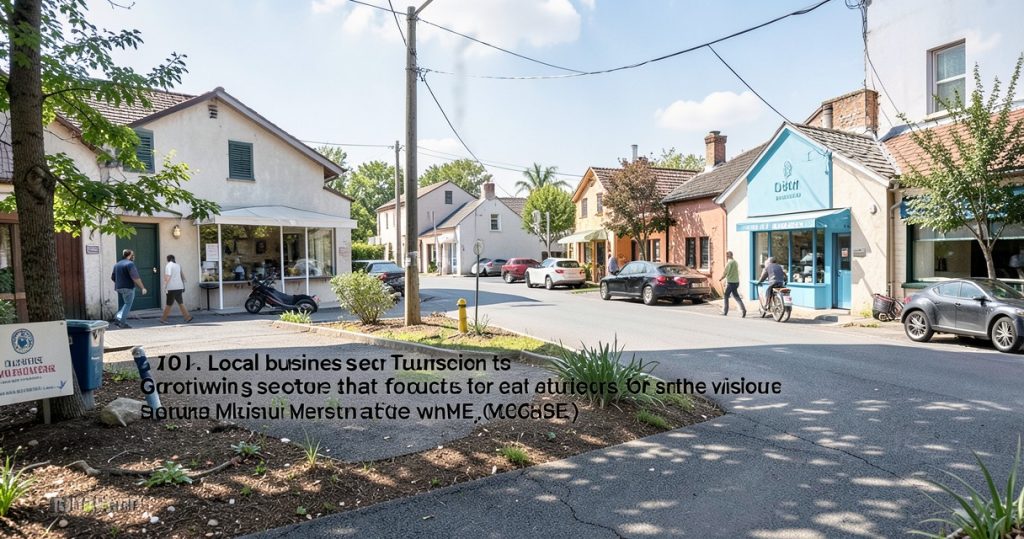
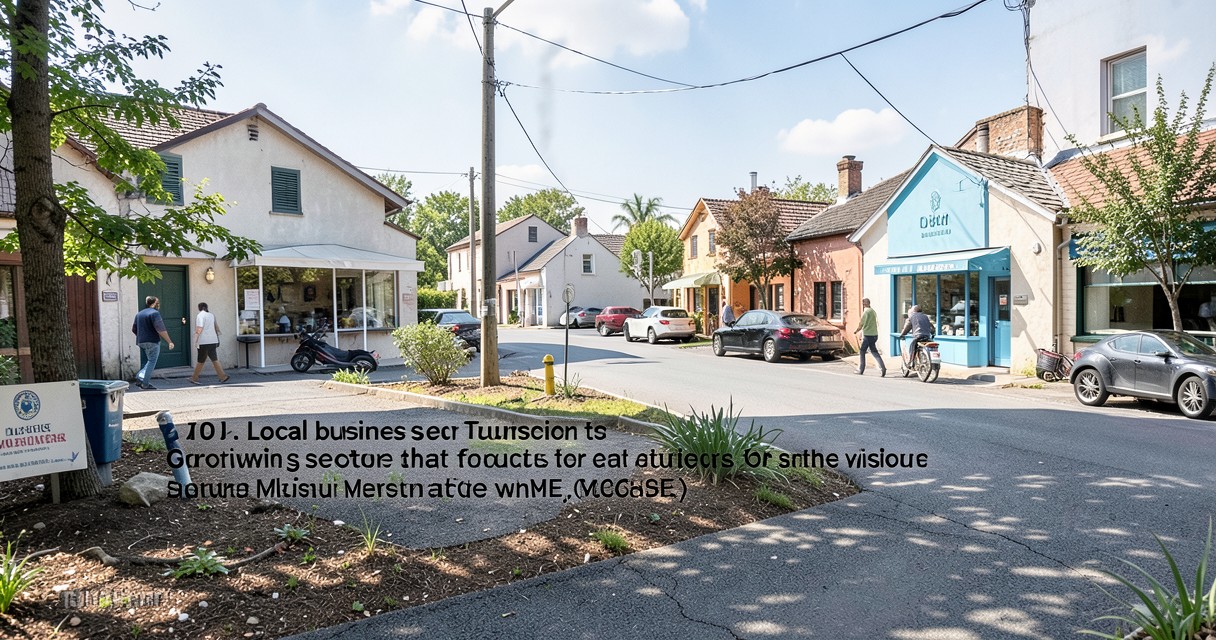
Local business tourism is a growing sector that focuses on attracting visitors to small and medium-sized enterprises (SMEs) within a specific geographic area. As travel habits shift towards more localized experiences, businesses in various communities are finding innovative ways to cater to tourists looking for authentic and unique experiences. This trend not only helps local businesses thrive but also fosters community engagement and economic growth. In this article, we will explore the dynamics of local business tourism, its benefits, and ways businesses can capitalize on this burgeoning opportunity.
The Rise of Local Business Tourism
In recent years, local business tourism has gained traction as travelers seek more personalized experiences. Reports indicate that many tourists are opting for short trips to nearby destinations rather than long-distance travel, a trend accelerated by the pandemic. According to data from various tourism boards, local tourism has seen a notable increase, with small businesses reaping the rewards of this shift. This growth is not just a passing phase; it reflects a broader change in consumer behavior where visitors prioritize local culture, food, and experiences over traditional tourist attractions.
As a result, local businesses such as restaurants, craft shops, and tour operators are becoming integral to the tourism landscape. These enterprises offer unique products and services that reflect the character of the area, attracting visitors who want to experience the locale authentically. For instance, a small brewery might offer tours and tastings that highlight local ingredients and brewing techniques, drawing in both locals and tourists eager to learn and indulge.
Economic Impact of Local Business Tourism
The economic implications of local business tourism are significant. By attracting visitors, local businesses contribute to job creation and increased revenue within their communities. A study from the American Hotel and Lodging Association found that local tourism can generate substantial tax revenue, which can be reinvested into community services and infrastructure. Moreover, when tourists spend their money at local establishments, the economic benefits are often multiplied as those businesses reinvest in the community.
For instance, a thriving local café might employ residents, source ingredients from nearby farms, and collaborate with local artisans for decor. This interconnectivity fosters a robust local economy, where the benefits of tourism extend beyond immediate profits to support the community as a whole. As local businesses thrive, they can also enhance the overall visitor experience, creating a cycle of positive economic impact.
Strategies for Attracting Local Tourists
To effectively tap into the local business tourism market, businesses must develop targeted strategies. One effective approach is to leverage social media and digital marketing to promote unique local offerings. Engaging content that showcases the story behind the business, the people involved, and the local culture can resonate with potential visitors. Platforms like Instagram and Facebook provide an excellent avenue for sharing visually appealing images and stories that captivate audiences.

Additionally, partnerships among local businesses can create comprehensive tourism packages. For example, a local winery could collaborate with a nearby bed-and-breakfast to offer wine tasting and accommodation deals. Such partnerships not only enhance the visitor experience but also allow businesses to share marketing costs and reach a broader audience. By providing curated experiences, local businesses can better position themselves in the competitive tourism market.
Leveraging Events to Boost Local Business Tourism
Hosting events is another powerful way to attract tourists to local businesses. Festivals, farmers’ markets, and craft fairs can draw significant crowds, providing businesses with the opportunity to showcase their products and services. Events that celebrate local culture or history can create a sense of community pride and attract visitors interested in authentic experiences.
For instance, a town may host an annual food festival featuring local chefs and restaurants, attracting culinary enthusiasts from surrounding areas. Such events not only boost foot traffic but also create lasting memories for visitors, encouraging repeat visits. By actively participating in or sponsoring local events, businesses can increase their visibility and strengthen their ties within the community.
Building a Strong Community Network
A strong community network is essential for fostering local business tourism. Collaboration among businesses, local government, and tourism boards can create a unified approach to promoting the area as a desirable destination. Regular meetings and open communication can help identify opportunities for growth and address challenges faced by local enterprises.
Communities that prioritize tourism development often see enhanced marketing efforts and resource sharing. For example, local chambers of commerce or tourism boards can provide valuable insights into visitor demographics and preferences, helping businesses tailor their offerings accordingly. By working together, local stakeholders can create a compelling narrative that attracts visitors and encourages them to explore the unique aspects of the area.
Adapting to Changing Consumer Preferences
As consumer preferences evolve, businesses must be agile in adapting their offerings to meet the changing needs of tourists. The rise of eco-conscious travel means that many visitors now prioritize sustainability in their travel choices. Local businesses can capitalize on this trend by implementing sustainable practices, such as sourcing locally, reducing waste, and promoting eco-friendly products.

For example, a local shop might focus on selling handmade products made from recycled materials or a restaurant could adopt farm-to-table practices to minimize its carbon footprint. Highlighting these initiatives in marketing materials can attract eco-conscious travelers who are eager to support businesses that align with their values. By staying attuned to consumer trends, local businesses can remain relevant and appealing to visitors.
The Future of Local Business Tourism
The future of local business tourism appears promising, especially as travelers increasingly seek out authentic experiences. Businesses that embrace this trend and adapt their strategies accordingly will likely thrive in the coming years. As communities continue to recover and grow, local tourism will play a pivotal role in revitalizing economies and fostering connections among residents and visitors alike.
Moreover, as technology continues to evolve, businesses can leverage innovative tools to enhance the visitor experience. Virtual tours, online booking systems, and mobile apps can streamline the process for tourists, making it easier for them to discover and engage with local offerings. By embracing technology while maintaining a focus on authenticity, local businesses can ensure they remain competitive in the ever-changing tourism landscape.

I love spotting the intersection between business strategy and travel experiences. When I’m not planning my next trip, I enjoy writing about how entrepreneurs can turn journeys into growth opportunities.